Score
Cannabis consumers are no longer stoner stereotypes. Not all brands are marketing accordingly
As the cannabis market evolves, brands must move away from outdated stoner stereotypes and embrace a more sophisticated identity that appeals to a broader audience. This shift in branding strategy is crucial for capturing the growing demographic of consumers who view cannabis as a lifestyle product rather than just a means to get high.
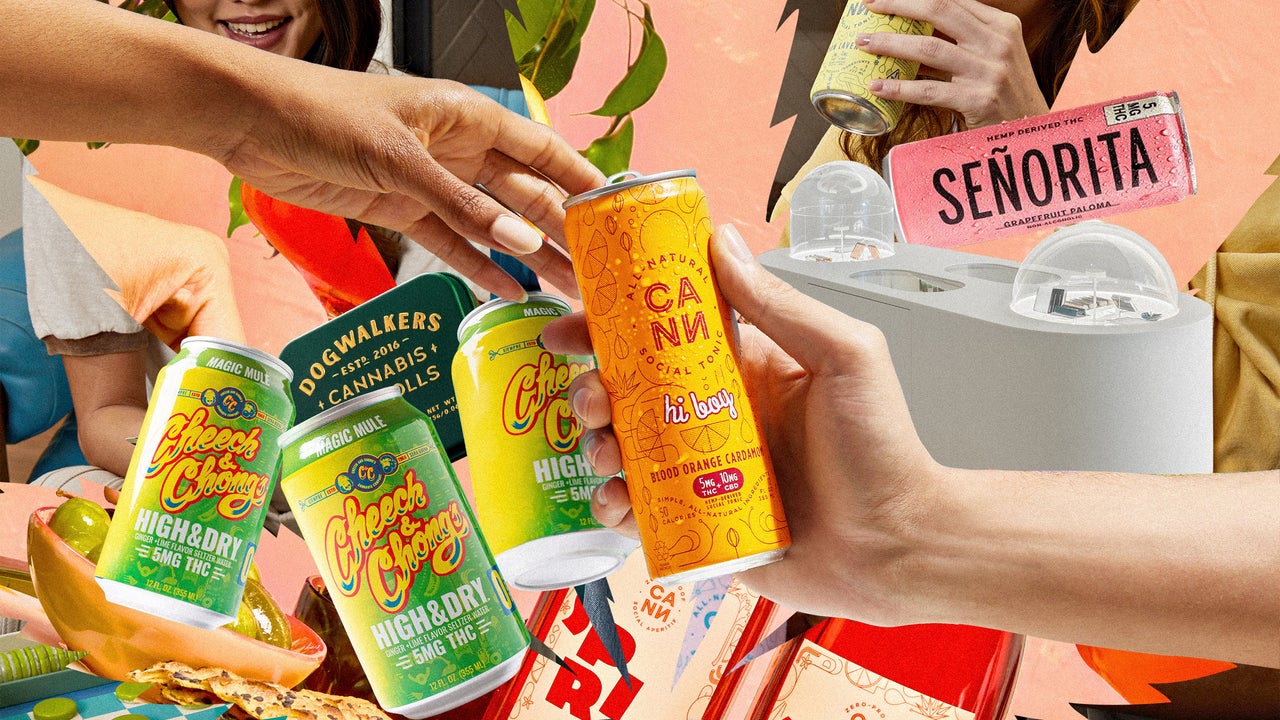
FastCompany: When it comes to marijuana, millennials may be the last generation of Americans to grow up when Amsterdam still had a whiff of the mystical. For those who were cannabis-curious in the ‘90s and early-aughts, Amsterdam represented an impossible dreamland where one could simply walk into The Weed Store and legally purchase what then amounted to contraband stateside. In that restricted atmosphere, cannabis culture flourished as counterculture, its pothead slogans and hazy-brained imagery acting as illicit in-group signaling.
Those who stumbled into head shops lined with posters of an alien smoking a blunt or a Taz with eyes as red as the devil may have once nodded along to the unmistakable messaging. But that was decades ago. Federally, marijuana remains a Schedule I drug and an estimated 32,000 Americans are in prison for charges related to its sale. Now that legalized cannabis at the state level is increasingly mainstream , though, evolving from dorm-room stash to Mom’s trusty sleep aid, most of the half-baked signifiers associated with it have become creaky relics of the past.
While some players in the cannabis space are dynamically defining the market as they go, others are mired in a crusty bong-chamber of outdated jargon and visuals. Consumers who might have once been surprised to find a dispensary opening nearby are now more likely to be surprised that the one opening nearby is so cringe. In 2026, legal cannabis sales are expected to be $30.5 billion , an increase of 4.9% over 2025. Hungry companies are trying to carve out a bigger slice of that pie with their branding , and most fall into one of two camps.
There’s the old-school model, which treats cannabis like the world’s worst-kept secret, and the emerging one, which treats it like a party where absolutely everyone (of age) is invited. It shouldn’t come as much of a surprise the latter type seems to be winning. [Photo: Cann] It’s always 4:20 somewhere, unfortunately Before U.S. states began legalizing cannabis for recreational use in 2012, the product never needed to be marketed—it sold itself. As regulations first loosened, the same logic largely applied. All a dispensary or cultivator needed to advertise back then was that the product was, in fact, cannabis.
In that early gold rush—or, rather, green rush—a lot of brands didn’t overthink their packaging. Jake Bullock, CEO of Cann , a national THC beverage maker that generated nearly $40 million in revenue last year, recalls launching in 2018 amid a parade of stereotypical brands with a common design theme. “If you’re trying to communicate this is the cheapest way to get high, a green pot leaf is a pretty good way of doing that,” he says, having opted instead for Cann’s leaf-free pastel tones.
[Photo: Cann] Now that adult-use cannabis is legal in nearly half the U.S., and beverages containing THC derived from hemp are available in mini-mall wine shops and at Lollapalooza , the landscape is too crowded with sellers for the entry-level stoner-bait of yesteryear. Or at least it should be. “There’s probably nothing lazier now than a cannabis brand with a green logo that has a pot leaf in it,” says David Paleschuck , author of Branding Bud: The Commercialization of Cannabis .
Article truncated for readability. Read the full piece →
The article addresses a significant shift in the cannabis industry that impacts branding strategies, making it highly relevant for brand professionals, though the concept of evolving brand identities is not entirely new.