Score
Tommaso Calabro’s Passion for Art - COOL HUNTING®
Tommaso Calabro's approach to running his art galleries emphasizes personal connection and a commitment to artist development, which can serve as a model for brand strategy in the art world. By fostering a welcoming atmosphere and focusing on meaningful interactions rather than high-stakes transactions, brands can cultivate loyalty and a strong community around their identity. This strategy highlights the importance of authenticity and personal values in building a brand's reputation and customer relationships.
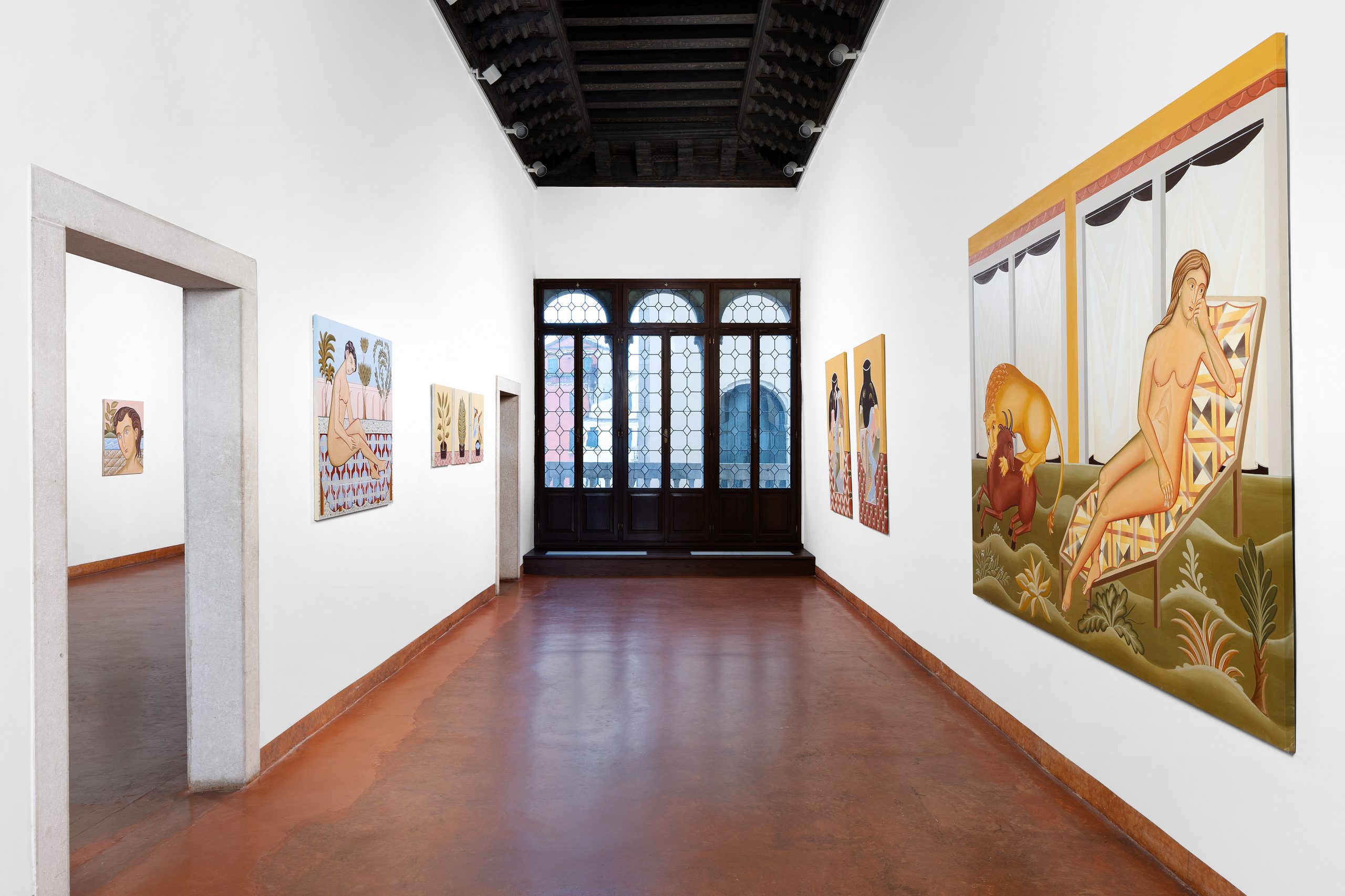
Cool Hunting: Today’s art world conversation often heavily leans on international fairs and big auctions, impressive sales and terrible disasters. Yet, it’s the passionate individuals, their independent galleries and their commitment to artist development and promotion, and the curation of art collecting. Take the young Italian gallerist Tommaso Calabro, for example, and his two spaces in Milan and Venice. Both galleries reflect his work ethic and passion for art history, personal commitment and care for human relations. His first experience with art dealing began at age 12, when he started selling art prints on eBay.
His grandfather was a fine art printer who went bankrupt during the transition to digital, and his mother and aunt inherited a vast collection of prints from local artists. And with that, he jumped into the world of selling and collecting. After studying at Milan’s Università Bocconi and London’s Courtauld Institute of Art and King’s College, he briefly worked for Sotheby’s. At 28, he opened his first gallery at the charming, neoclassical Palazzo Marietti in Piazza San Sepolcro, right in the heart of Milan’s old town. Calabro has a very personal approach, collecting works from most of the artists he exhibits.
His traditional method is reminiscent of older gallerists, from a time before the art world shifted from a market for connoisseurs to a high-stakes, global financial industry. He hosts events, small concerts and gatherings that promote a cultural conversation around art in a homey atmosphere. That is what attracts clients, other artists and visitors every time a new exhibit opens, including Anish Kapoor and Fabrizio Plessi, Calabro’s neighbor in Venice. “I like that all things regarding my business reflect a sense of connection to who I am, the art that I like and collect, the choices I make,” Calabro says.
“I rarely go to art fairs and prefer running my business in my own spaces.” Artwork by Leonor Fini, Courtesy of Tommaso Calabro Gallery The current exhibit in his new Milan gallery at Casa Grondona (a 19th-century palace designed by famed architect Enrico Terzaghi) is dedicated to surrealist Italian-Argentine painter Leonor Fini, whom fellow artist Max Ernst once described as “an Italian fury of scandalous elegance, caprice and passion.” The “In Scena” exhibition presents a selection of drawings and watercolors on paper and preparatory studies for the theatre created by Leonor Fini between 1948 and 1969.
During that time, the multifaceted artist ventured into costume designing for theatrical shows across Europe. She worked for George Balanchine on Le Palais de Cristal at the Opéra de Paris and with Roland Petit on Les Demoiselles de la Nuit. She also conceived Le Rêve de Leonor, a ballet presented at London’s Royal Opera House. Artwork by Leonor Fini, Courtesy of Tommaso Calabro Gallery The collection on view reveals the meticulous process of defining characters and the relationship between their bodies and the garments, long before they even make it to the stage.
Through these works, her most surrealist paintings and even through her social life of memorable masked appearances, Fini always focused on theatrics and disguise as a form of self-expression and a space to build and develop an identity. “To put on a disguise is a kind of magic that allows me to enter other dimensions, other species, other worlds,” she used to say. Artwork by Leonor Fini, Courtesy of Tommaso Calabro Gallery Leonor Fini’s work is largely collected by Madonna—for obvious reasons of similar artistic languages—and frequently quoted in her work.
Article truncated for readability. Read the full piece →
The article presents a unique perspective on brand strategy within the art world, emphasizing personal connection and authenticity, which is relevant but not groundbreaking in broader brand discussions.