Score
Paul Allen’s bioscience institute gets a refreshingly playful new brand
The rebranding of the Allen Institute emphasizes a flexible and dynamic visual identity that prioritizes openness and discovery. By collapsing traditional branding hierarchies, the new strategy allows for a vibrant and varied color palette and a logo that reflects the institute's collaborative spirit, ultimately positioning the brand as a platform for innovation in bioscience research.
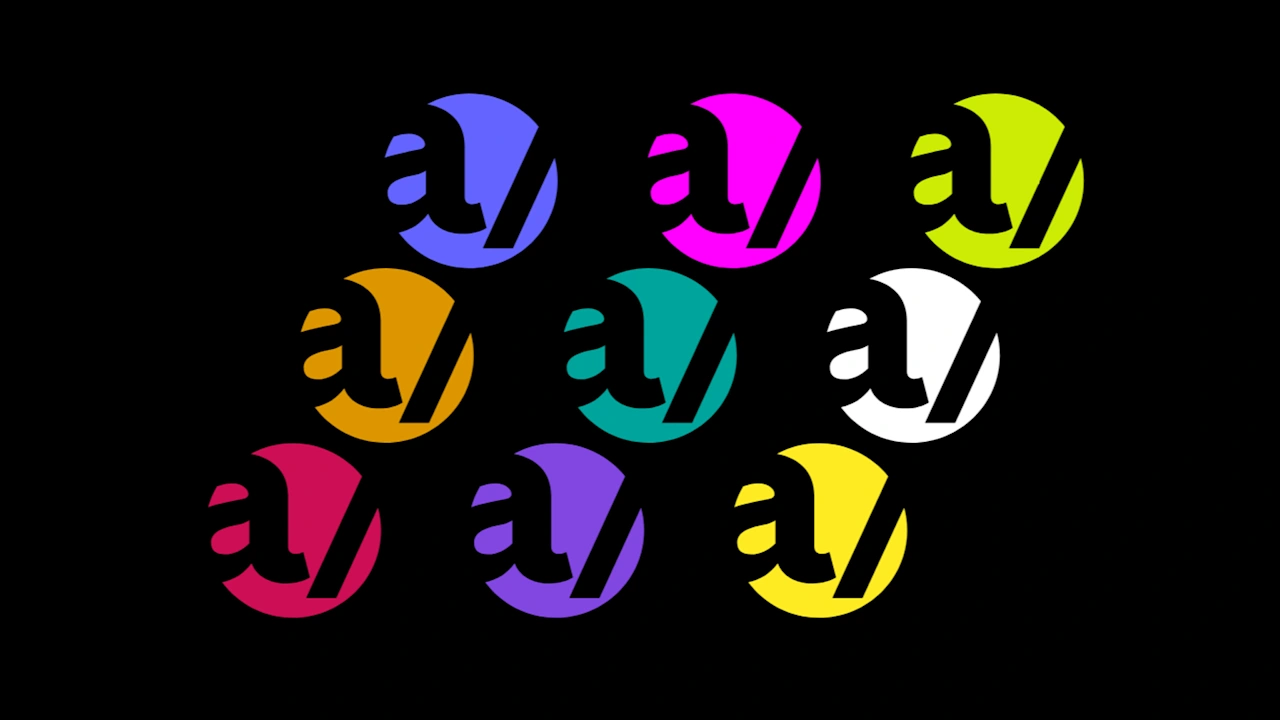
FastCompany: To rebrand the Allen Institute, designers thought horizontally instead of vertically. The nonprofit bioscience research institute, founded by Microsoft cofounder Paul Allen to map the human brain, had a perfectly sufficient logo that designer Neville Brody says was “at the heart of everything.” But Brody, a legend in the industry who has designed for Coca-Cola, Nike, and Channel 4 , reimagined the Allen Institute’s new identity so “the brand is a platform” for a company’s activities. Of the elements that comprise a brand, the logo traditionally comes first then the other components spin off of it.
But for this project, Brody collapsed the hierarchy. He and his team developed a visual language that could be flexible yet consistent, and then let the logo develop naturally from there. His strategy? Articulate the right visual grammar and from there find out how to scale it so it “doesn’t break,” he says. [Image: courtesy Allen Institute] What is the Allen Institute? The Allen Institute was founded in 2003 by the late Microsoft cofounder Paul Allen and his sister Jody Allen. Since then, it’s grown from a single lab studying the brain to a multi-lab operation with a much broader focus.
Its research spans topics like addiction, cancer, long COVID, and disease. Last year, it released a first-of-its-kind database with data from more than 34 million brain cells. The institute’s research and tools are open source so it can share its findings widely. “They’re at the beginning of a chain, in a way, for new knowledge,” Brody says. That insight informed how Brody and his team conceived of the new identity. They spoke to lab leaders and employees at the institute and took note of shared values like boldness and taking risks that others would shy away from. The resulting brand identity is vivid and fluid.
[Image: courtesy Allen Institute] For the logo, Brody designed an icon that references the Allen Institute’s philosophy of openness and discovery. It is a circular lens featuring a cut out of a lowercase “a” (it’s friendlier and less corporate than a capital letter) followed by a slash meant to represent the institute’s interconnected teams. He also designed a wordmark, which reads “Allen Institute” in lowercase letters, to accompany the icon. [Image: courtesy Allen Institute] On the color front, Brody went for a palette that symbolizes the company’s vitality and energy. There isn’t a single brand color; rather, there’s variety.
It’s the opposite of the conservative blues and greens you typically see in bioscience. The brand’s base colors are black, white, and gray. Layered on top of that is a primary palette that included hues you might see in science or healthcare brands, but with more saturation and brightness: magenta, violet, and a teal that looks like scrubs. The accent colors—including a cheery yellow, electric green, and neon pink—serve as exclamation points. [Image: courtesy Allen Institute] Brody, who served as the art director of the influential British punk magazine The Face , says print principles help with the brand’s flexibility.
This includes using white space; commissioning editorial photography that puts the viewer in the scene instead (no stock photos here); distinctive typography; and creative applications of color. [Image: courtesy Allen Institute] “The brand we’ve created with the Allen Institute is something that’s actually quite graphic and quite dynamic,” he says. “It’s not about being decorative.
The rebranding of a prominent bioscience institute like the Allen Institute is significant for the industry, showcasing innovative branding strategies that prioritize collaboration and discovery, which are relevant to brand strategy professionals.