Score
No, a skincare brand can’t solve NYC’s transit problem
The Ordinary's recent initiative to provide a free shuttle bus in NYC highlights the challenges brands face when attempting to position themselves as solutions to societal issues. While the brand aims to align its mission of accessibility with community needs, the execution raises questions about the authenticity and effectiveness of such marketing strategies in addressing real problems.
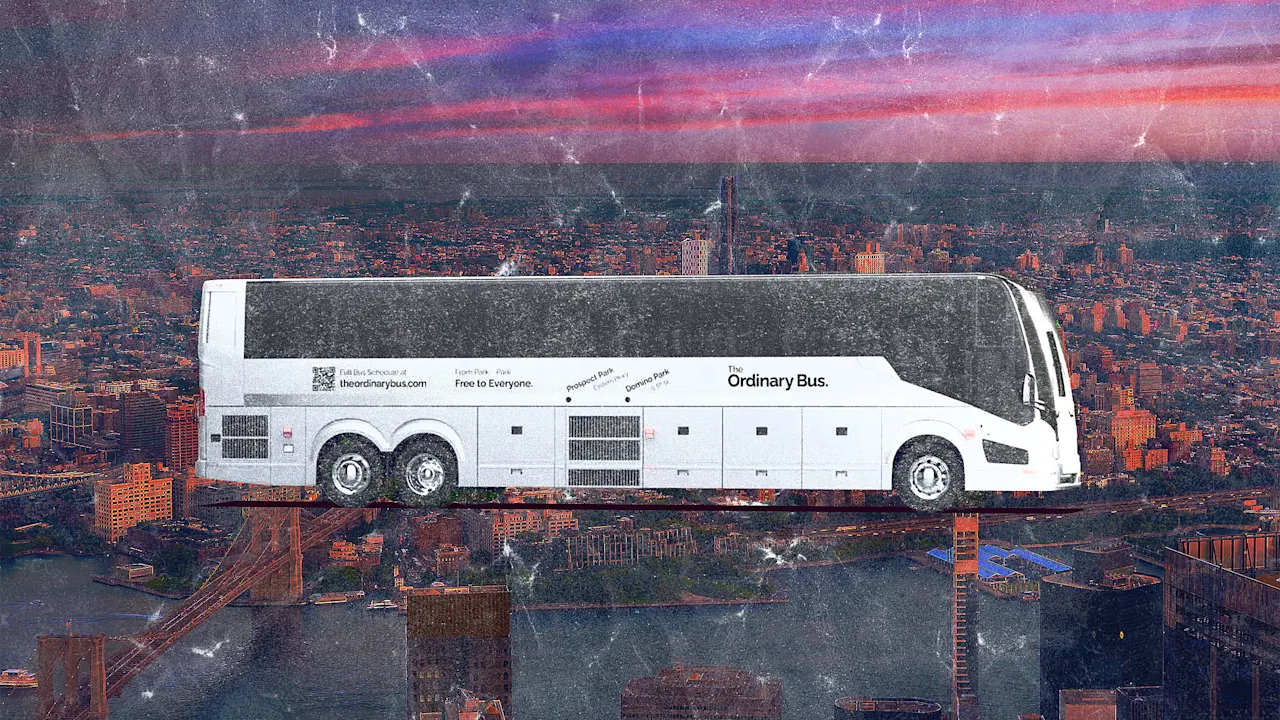
FastCompany: The Ordinary, a cosmetics company known for its lower-priced, often single-ingredient products, just announced that it was furthering its mission to “remove unnecessary barriers to provide accessible, high-quality solutions.” To do so, it is offering people a free shuttle bus that runs between Williamsburg’s Domino Park and Prospect Park in Brooklyn, New York. The company claims that The Ordinary Bus, which will run from May 26 through June 6, solves for a transit gap that can often involve a 50-minute subway detour through Manhattan.
The tenuous parallel with the company’s skincare line is that it also provides a no-frills solution to a common problem (bad skin). In reality, what The Ordinary is offering is less a solution to a fragmented or slow public transit system and more a solution in search of a problem. Commuters in the area have access to several public buses to get between the parks, and the G train subway line provides an easy ride between both neighborhoods, though it won’t be running for 10 weekends this summer.
(The Ordinary did not provide comment by time of publication.) [Image: The Ordinary] On social media, commenters piled on, quickly pointing out that the company created a bus route for higher-income, gentrified communities that don’t need the assistance (there are plenty of other communities in the borough that do). It’s understandable that the Ordinary wants to use its marketing dollars to reach affluent potential customers in Williamsburg. But the marketing stunt goes sideways when the company starts framing its branded bus as an actual public service. Lately, it seems as if companies have developed a marketing savior complex.
In February, the prediction market company Polymarket opened a grocery store in the NYC neighborhood of Tribeca where users could collect items for free. The stunt was intended to draw attention to the rising cost of goods due to inflation. At the same time, its prediction market competitor, Kalshi, launched a similar pop-up store where the company covered up to $50-worth of groceries as a commentary on the cost-of-living crisis. Both played on the fact the consumers are struggling to afford basic goods and using that fact as a cultural anchor to sell their products and services.
Neither made actual progress on the problem they set out to draw attention to. View this post on Instagram This is not the first time the Estée Lauder-owned company—which generated approximately $213 million in direct retail revenue last year—has shone light on economic issues faced by New Yorkers. In March 2025, the company sold a dozen eggs in their NYC stores for $3.37 to draw attention to the rising price of eggs.
It didn’t really move the needle—today the average price of a dozen eggs in New York State is $4-$6.
The article discusses a significant initiative by a well-known skincare brand that raises important questions about brand positioning and societal impact, making it relevant and impactful for brand strategy professionals.
Weekly digest
Get the Signal digest
Every Monday morning — the top 3 brand trends, 10 high-signal articles, and one emerging signal to watch.
No spam. Unsubscribe anytime.