Score
What new AI design tools mean for brand typography
The emergence of AI design tools like Claude Design presents both opportunities and challenges for brand typography. While these tools can streamline the design process, they risk leading to generic and indistinct typography, which can dilute brand recognition and value. Brands that prioritize unique and custom typographic systems will stand out in a crowded market, leveraging distinctiveness as a key driver of growth.
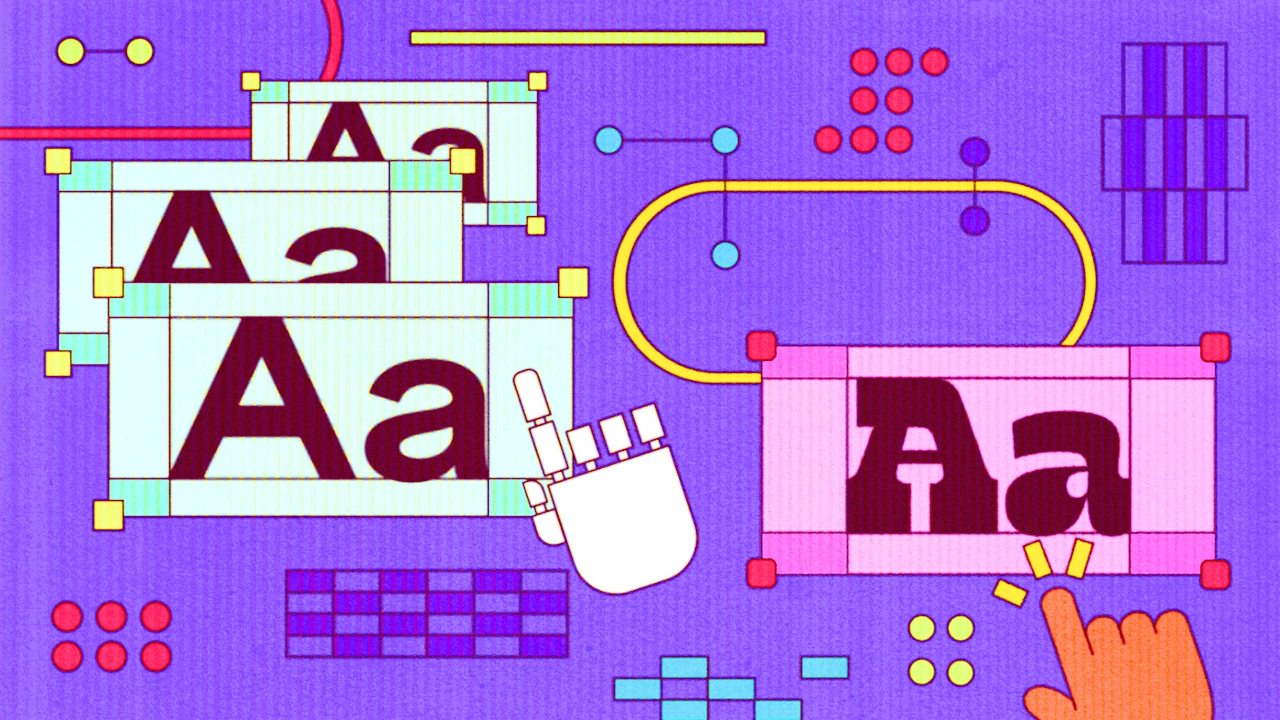
FastCompany: Anthropic has just announced Claude Design , a tool that lets teams generate and iterate visual design outputs through natural-language prompts. On the surface, it’s hard not to like the proposition: competent layout and typography on demand, fewer blank-page moments and faster shipping for everything from landing pages to pitch decks. When it comes to typography, it will make design faster, easier and cheaper. The problem is that it also makes design more likely to converge, because it defaults to what works: what’s legible, familiar and proven. In other words: safe, usable, generic. That genericness isn’t just an aesthetic issue.
It reduces recognition, makes brands easier to imitate, and forces you to shout louder just to be remembered, to rely more heavily on media spend to get noticed. A study by JKR and Ipsos a few years ago showed that only 15% of brand assets tested were truly distinctive . That lack of distinctiveness erodes pricing power, forcing brands to compete on price rather than value. According to Kantar, difference is the most critical factor of what allows brands to charge a premium in their category .
In a world where the barriers to brand building are lower than ever, where competition is fierce and consumer attention increasingly fleeting, you can’t afford to look like everyone else; in fact, distinctiveness is crucial in driving growth . The good news is that this is also a huge opportunity: if AI pushes more brands toward the same “good enough” defaults, the brands that invest in real typographic distinction will stand out faster. Typography is brand infrastructure. It has to behave consistently across products and platforms, scale globally, support multiple languages and become synonymous with the brand over time.
That’s exactly why it’s such a leverage point: sharpen the type system and you sharpen a huge number of touch points at once. The problem with prompts This is not an argument against using tools like Claude Design for typography. These tools give brands very usable, free fonts (usually sans-serif) – essentially a useful baseline for type. But when it comes to creating a distinctive asset that will last over time, using a tool that only draws on a small pool of familiar patterns and widely available fonts won’t cut it.
It will lead to a proliferation of brands whose typography is essentially a derivate of the most popular free fonts, that are loaded billions of times and appear on millions of websites. As I write this, Roboto was served 63.1 billion times over the past week , appearing on more than 410 million websites. Imagine choosing a logo knowing it’s shared by millions of other brands. We’d never accept that level of sameness for a mark, yet typography often gets a pass, even though it does much of the ‘heavy lifting’ on many brand touchpoints.
Where to start with custom type Ultimately, Claude Design is a welcome wake-up call – to pay more attention to the power of custom typography. This doesn’t mean that all brands should invest in a 100-style type family. A startup might go for a distinctive headline cut while using a solid retail face for body copy. A scale-up might license a retail font and customise just a few key glyphs, enough to make the system more ownable. The point is to think about what a custom typeface could be for your brand and explore different routes to type distinctiveness.
Article truncated for readability. Read the full piece →
The article discusses the implications of emerging AI design tools on brand typography, which is significant for the industry as it addresses both opportunities and challenges, while also providing actionable insights for brand strategy professionals.
Weekly digest
Get the Signal digest
Every Monday morning — the top 3 brand trends, 10 high-signal articles, and one emerging signal to watch.
No spam. Unsubscribe anytime.