Score
Typography Might Be The Last Thing Ai Cant Fake
In an era dominated by AI, brands must leverage distinctive, human-crafted typography to stand out and convey authenticity. As generic fonts proliferate, the emotional resonance and uniqueness of custom typography can serve as a powerful differentiator in brand strategy, signaling a commitment to quality and human craftsmanship.
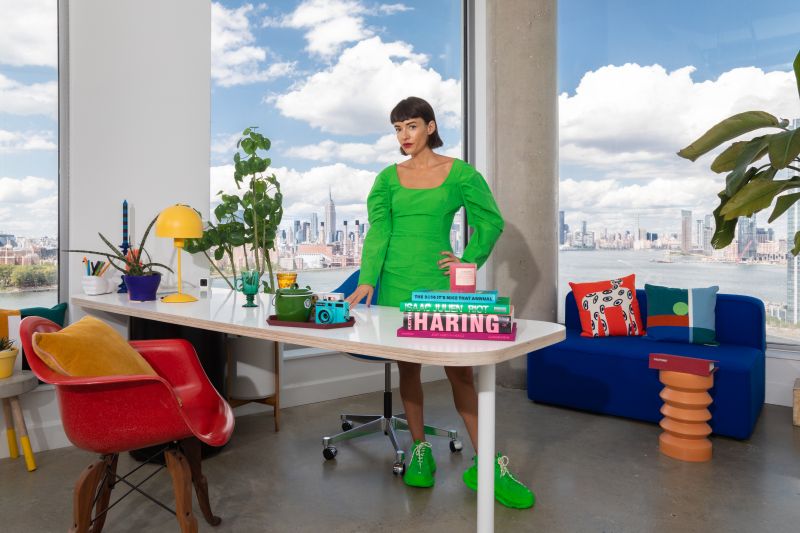
Creative Boom: Insight Graphic Design Typography might be the last thing AI can't fake We're delighted to welcome Jessica Walsh to Creative Boom. In her first column, she argues that branding has become too safe and interchangeable, and makes the case for expressive, human-crafted typography as one of the last true ways to stand out in an AI-driven world. Written By: Jessica Walsh 18 February 2026 Jessica Walsh Typography has always been the quiet backbone of branding. It shapes how brands speak, feel, and are remembered.
But here's the problem: the fonts that are easiest to use for branding rarely have real personality, and the ones with personality often aren't practical enough to live inside a full brand system. After years of building brands, we kept hitting the same wall. Not because there aren't enough fonts (there are literally thousands), but because so many of them feel interchangeable. Or the ones that actually feel unique and ownable? They're already everywhere, overused to death.
A lot of type foundries understandably focus on mass-market needs: ultra-neutral workhorse sans serifs, or fonts that are basically just a slightly warmer, narrower, rounder, or "friendlier" cousin of something that already exists. These fonts do their job. They're flexible. They're safe. They sell well. But safety isn't what builds distinction. When everything starts to feel like a variation on Helvetica, branding blurs together. The brands we remember had typographic balls Historically, some of the most iconic brands were bold enough to let typography carry real emotion and character.
For instance, Coca-Cola built an identity so distinctive that its script became inseparable from the brand itself, full of warmth, nostalgia and human connection. IBM, meanwhile, used typography to project precision and intelligence long before "brand systems" were even a thing. Then there's MTV which went in the opposite direction: a constantly shifting, expressive type that mirrored youth culture and rebellion rather than uniformity. Nike uses bold, forceful typography to reinforce energy and momentum. Disney built an entire emotional universe around a whimsical type that instantly signals imagination.
The New York Times relies on typography to communicate credibility and trust. These weren't neutral choices. They were emotional ones. And they made those brands unmistakable. Then everything got efficient As branding became more systematised and scalable, a lot of that emotion got sanded down. Efficiency quietly replaced expression. Everyone started optimising for "versatility" and "accessibility" (which, don't get me wrong, matter), but somewhere along the way, we lost the weird, the bold, the opinionated. As we're all saturated with brands, distinctiveness isn't optional anymore. It's survival.
The custom type trap When budgets allow, we design custom typefaces for clients. It's an incredible way to create deep "ownability". But let's be real: custom typography isn't accessible to most brands. It's expensive, time-intensive, and often completely out of reach for smaller teams or emerging companies. So what are they supposed to do? Keep cycling through the same 20 trendy fonts everyone else is using, hoping this time it feels fresh? Retail fonts have the power to build great brands, but only if they're designed with robust brand systems, not just posters or one-off editorial layouts.
Article truncated for readability. Read the full piece →
The article addresses a significant challenge in branding amidst AI advancements, highlighting the importance of unique typography, which is highly relevant for brand strategy professionals seeking to differentiate their brands.
Weekly digest
Get the Signal digest
Every Monday morning — the top 3 brand trends, 10 high-signal articles, and one emerging signal to watch.
No spam. Unsubscribe anytime.