Score
Mona Chalabi on illustrating inequality and injustice
Mona Chalabi's work emphasizes the importance of responsible and transparent data visualization in addressing social injustices. Her approach challenges traditional data journalism by prioritizing emotional resonance and human experiences over mere statistics, suggesting that brands should adopt a similar ethos to connect authentically with their audiences and communicate complex issues effectively.
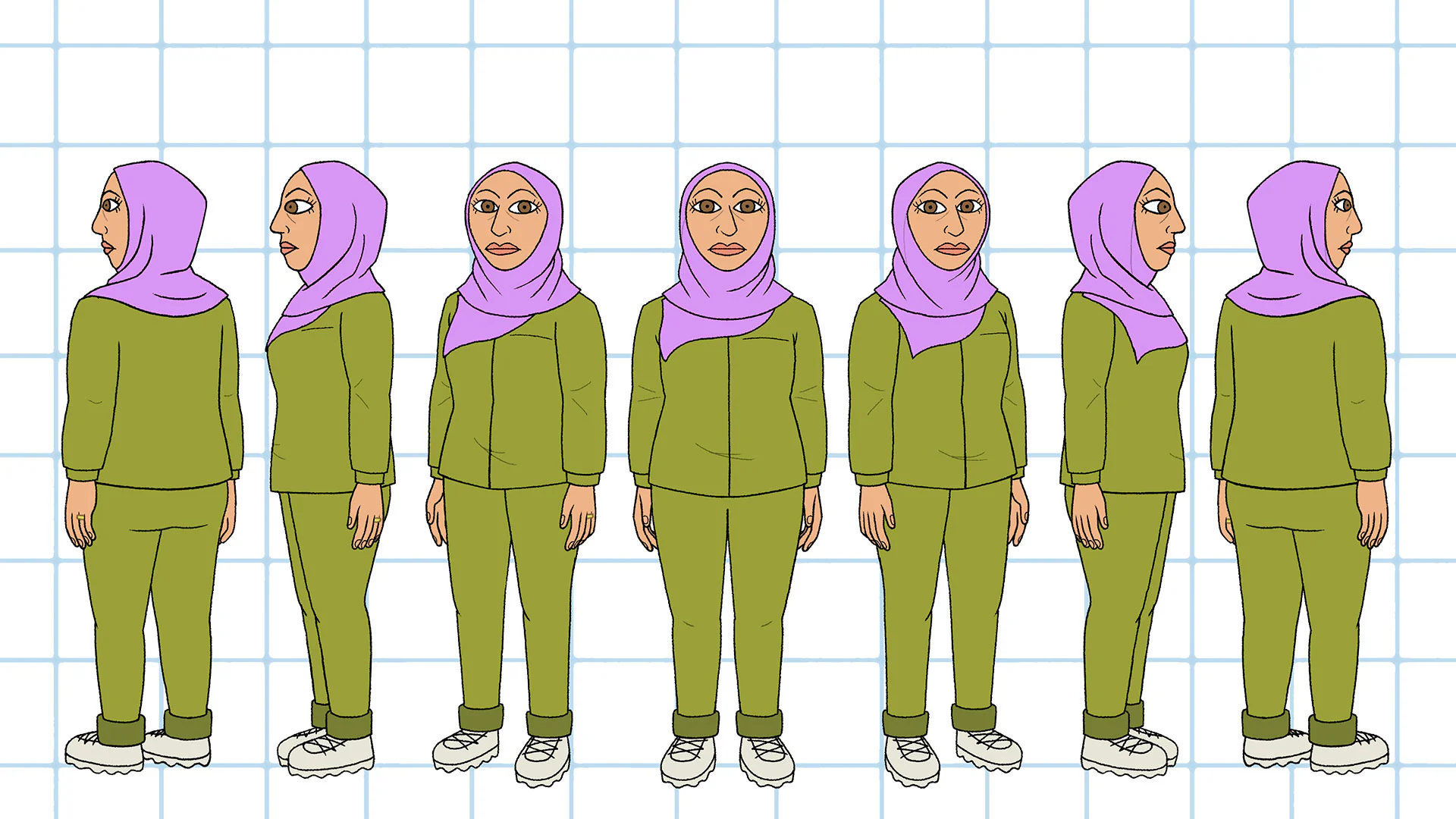
Source: Mona Chalabi has never been interested in comfortable truths. Over the past decade, the data journalist, illustrator and writer has built an impressive body of work that deftly and unflinchingly interrogates the relationship between statistics, politics and visual culture. From her early days at the Guardian and FiveThirtyEight to her award-winning illustrated reporting for the New York Times, Chalabi has consistently questioned not just what data tells us but who it serves, who it fails, and why. In recent years, her topical charts and infographics have become instantly recognisable.
On Instagram , where she now reaches more than half a million followers, she tackles subjects ranging from wealth inequality and racial injustice to genocide, displacement and state violence. In 2023, she was awarded the Pulitzer Prize for Illustrated Reporting and Commentary, and late last year was named a Royal Designer for Industry (RDI), cementing her influence not just as a journalist but also as a visual communicator. All images © Mona Chalabi When CR last profiled Chalabi back in 2019 , she spoke about how research informs her creative process and where she finds inspiration.
This time around, our discussion centres on how her thinking around responsibility and rigour has sharpened as the stakes of her work have grown ever higher. It also reveals how her practice has evolved in response to escalating global conflicts and crises, and why she opposes numerical imperialism. Meeting Chalabi, it quickly becomes clear that language matters deeply to her: not just what words mean but how they shape and regulate our lives, as well as who they empower and who they marginalise.
Indeed, when asked how she sets about combining data and imagery to highlight causes that are important to her, she pushes back on the framing of the question. As our governments have gotten more and more fascist, the things I feel I need to inform my audience about are violations of their rights “They don’t feel like causes to me. I just get frustrated and I get ideas when I see something that’s not working, or not serving the people that it should,” she says. “And right now, I’m seeing a lot of things that aren’t working for a lot of people. I guess that has been a bit of a throughline in my illustration work.
It’s been a throughline in a lot of my journalism as well.” So, if not causes, are the issues to which Chalabi returns again and again best described as injustices? “Yeah. I think that probably is the right word. My slight hesitation about using that word is that sometimes it sounds a bit self-righteous. I think it puts people off because it sounds like there’s some arrogance there. I don’t doubt for a second that there is a genocide happening in Palestine. You can call that arrogance if you want, but the things I believe in are totally unshakable to me.
So I guess I am quite self-righteous.” View this post on Instagram A post shared by Mona Chalabi (@monachalabi) There’s no mistaking the emotional force or moral clarity driving Chalabi’s work. She has certainly never claimed neutrality. Yet at the same time, everything she publishes is underpinned by rigorous analysis and methodologically transparent sourcing. Sustaining such a high level of accuracy and veracity seems increasingly difficult in a media environment dominated by speed, reaction and constant commentary. Chalabi agrees, pointing to her own slowing down as evidence of the forces threatening journalistic discipline.
Article truncated for readability. Read the full piece →
The article highlights a significant shift in data visualization that can influence brand strategy, making it highly relevant and impactful for professionals in the industry.
Weekly digest
Get the Signal digest
Every Monday morning — the top 3 brand trends, 10 high-signal articles, and one emerging signal to watch.
No spam. Unsubscribe anytime.