Score
No zippers, lots of magnets: How the North Face designed camping gear that doesn’t leave anyone behind
The North Face's Universal Collection exemplifies a brand strategy focused on inclusivity and accessibility in outdoor gear design. By addressing the specific needs of individuals with disabilities, the brand not only enhances user experience but also broadens its market appeal, demonstrating that thoughtful design can lead to better products for all consumers.
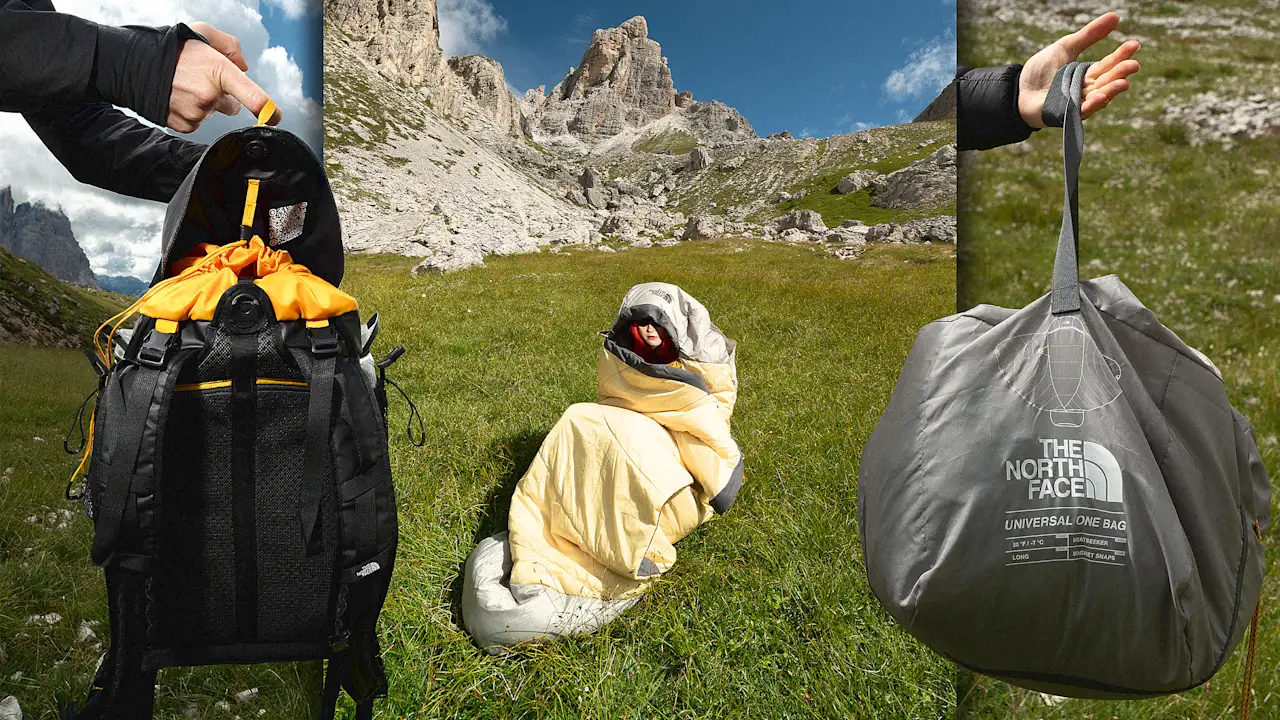
FastCompany: The North Face ’s new collection is designed to make camping more accessible for everyone—and it starts with reconsidering the small details that designers often overlook. The Universal Collection is a five-piece set of gear, including a sleeping bag, tent, backpack, slippers, and hat. It was designed in collaboration with ski mountaineer Vasu Sojitra and rock climber Maureen Beck, both of whom are athlete collaborators with The North Face and advocates for the disability community.
[Photo: The North Face] According to Luke Matthews, design manager of technical equipment for the North Face, the concept for the Universal Collection arose after his team noticed a common complaint from consumers. “Not many camping-focused recreational products exist that are crafted with the disabled community in mind,” he says. Each of the collection’s five items were chosen to cover the essential needs of outdoor exploration, including shelter, warmth, comfort, protection, and storage.
They’ve also been designed with a range of new strategies that makes them easier to use for people in wheelchairs, who have limited motor skills, visual impairments, and who live with other disabilities. For the North Face, it’s a project that’s demonstrated how designing with accessibility in mind can result in better products for everyone. “As we dove deeper into understanding the universal design approach, it transformed into a project focused on lowering barriers for everyone, regardless of ability, with the intent to get more people outside,” Matthews says.
[Photo: The North Face] The North Face is “designing to solve problems” Designing the Universal Collection started with examining each of its constituent items and determining which details could be pain points for customers with disabilities. During this phase, Matthews says, Sojitra and Beck “challenged the team to think more inclusively about the products we make and to take a broader approach to problem-solving, reexamining some of the industry standards and assumptions we have made.” [Photo: The North Face] For the sleeping bag, that meant reevaluating one of the object’s most obvious features: the zipper.
For some people with physical disabilities or limited motor skills, the double-handed grip required to use a zipper can be an obstacle. “We focused on solving this issue with magnetic closures and we also added key tactile details to make the user experience easier to interact with,” Matthews says. [Photo: The North Face] Those tactile details include rubberized panels to make the bag’s components identifiable by touch, as well as oversized loops on draw cords to make adjustments easier. Rather than zippering together, the bag has two insulated side panels—one lighter and one heavier—that fold over on themselves like wings.
This method is not only easier for anyone to close, Matthews says, but also allows for better temperature control: On warmer nights, users can sleep with just the light wing down, and when it gets cold, they can stack the heavier wing on top. [Photo: The North Face] A similar attention to detail was applied to the design of the Wawona 3 tent. One main challenge that the team identified was the typical complicated setup process, which often involves multiple different pole sizes and complicated attachment points. On the Wawona 3, all of the poles are of equal lengths, and each slides into an easy-catch sleeve rather than a small grommet.
Article truncated for readability. Read the full piece →
The article discusses a significant initiative by The North Face to create inclusive outdoor gear, which is impactful for the brand industry and relevant for professionals focused on accessibility in design.