Score
Design’s next era is about making people feel seen
The article emphasizes the importance of representation and emotional labor in design, advocating for a strategic approach that incorporates systems thinking and foresight. For brand strategy, this means recognizing that design decisions have broader implications and necessitating diverse perspectives to create inclusive and effective solutions.
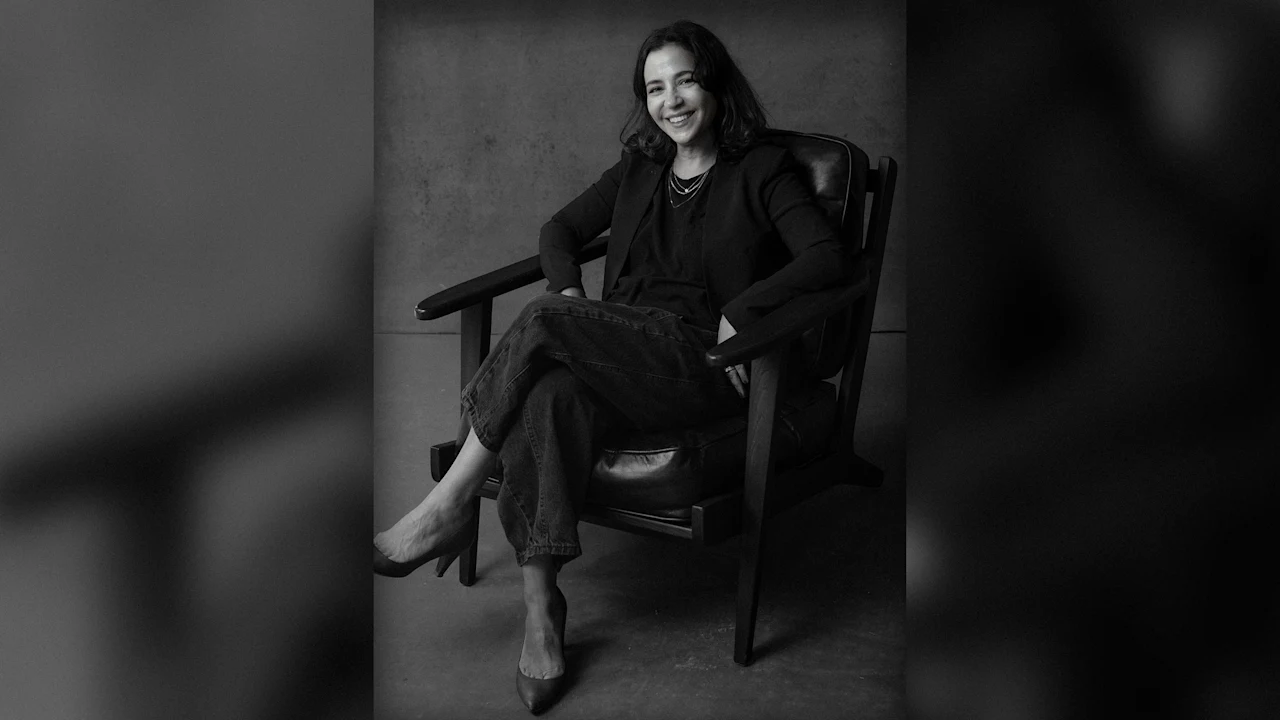
FastCompany: Alison Rand is a strategist, author, and design leader working at the intersection of design strategy, organizational structure, and operations. A former developer who helped build early UX practices at agencies like Huge and Hot Studio, she now consults with organizations to untangle complexity—how people work, how decisions travel, and how culture is shaped through structure. She is pursuing a master’s degree in Strategic Foresight at the University of Houston, co-founded Forty Fifty, a social health platform for women navigating midlife, and is the author of Sentido with MIT Press.
In her interview with Doreen Lorenzo, Alison explores what it means to lead creative teams inside systems that weren’t built with you in mind. She discusses adversity as a professional superpower, why representation and emotional labor are core design concerns, and how systems thinking and foresight can help designers meet AI with sharper judgment, intuition, and responsibility for the futures they’re shaping. Fast Company: Tell us about your career path? When did you realize you were interested in design? Alison Rand: My path is meandering. I studied art history, wanting to be a fresco restorer. That was my dream.
But when I graduated, my father said, “Happy Independence Day.” And I was like, “Oh my God, I have to get a job.” I ended up getting a job at IBM as a secretary and landed in their intranet department with everybody who was my age. I fell into that dot-com life; I learned how to code, I became a developer, a front-end programmer. But I always had my foundational fine art background. That was how I was raised: the love and passion for creativity. On my career path, I feel like I tripped and fell in so many directions.
But in hindsight, I realized I also took advantage of the things presented to me and made intentional decisions, such as landing at Huge and learning about user experience for the first time, and then landing at Hot Studio as employee number one in their New York office and learning more about human-centered design. I always had so much curiosity about so many different things and so much passion for relationships and humans, so it was unintentionally intentional. What is your recent book Sentido about? Sentido is a Spanish word that means sense but is multilayered––sense, meaning, direction, awareness.
That word has always been a guiding light for me. Sentido is part personal story, part leadership field guide. It’s about navigating systems that weren’t built with you in mind, which is true for so many people, especially women. There are additional intersections—it’s about intuition, identity, power. [Cover Image: courtesy MIT Press] It’s part feminist manifesto and about the emotional work behind leading creative teams. The goal of Sentido was to key into non-traditional thinkers, doers, and makers.
The thesis of it was to understand that organic intelligence is an incredibly undervalued skill, but equally—if not more—important than academic intelligence. In the book you talk about how adversity shapes a person professionally. What are some of the personal stories or experiences that shaped you? It was difficult to write the book for me because I needed to unpack my own personal journey and a lot of that adversity. I was raised in New York City in the ‘70 and ‘80s. My mother was Puerto Rican, my father was Jewish.
Article truncated for readability. Read the full piece →
The article addresses a significant shift towards inclusivity in design, which is increasingly recognized as vital for brand strategy, making it both impactful and relevant, while its focus on emotional labor and systems thinking adds a novel perspective to existing discussions.