Score
This fragrance brand ditched fossil fuels to reinvent perfume
Abel Fragrance is redefining the perfume industry by eliminating fossil fuels from its products and utilizing biotechnology to create sustainable, natural fragrances. This innovative approach not only addresses environmental concerns but also enhances creativity in scent development, positioning the brand as a leader in a potential industry-wide transformation towards more sustainable practices.
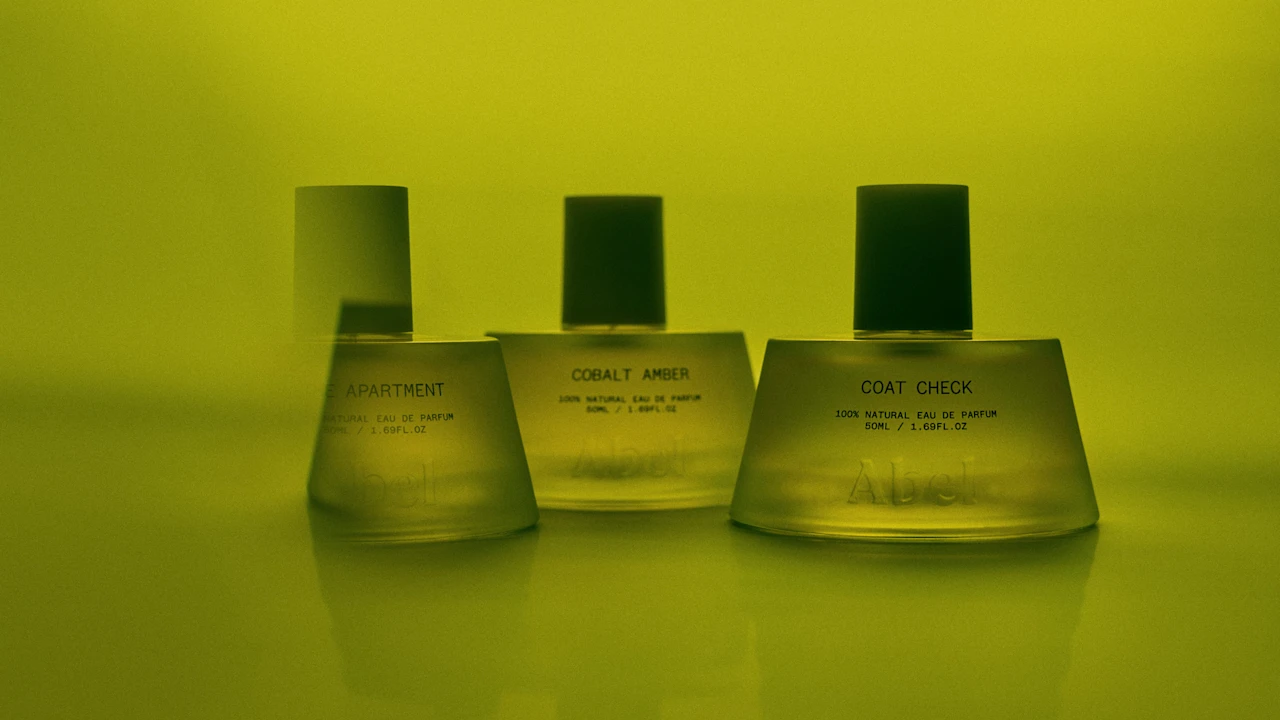
FastCompany: The top note in a new perfume called Miami Split comes from an unexpected place: a banana processing plant in Ecuador. The fragrance is extracted from banana-scented water, a byproduct of washing fruit, that was previously thrown away. It’s one of the unusual ingredients sourced by Abel Fragrance , a company that avoids using any fossil fuels in its products. Instead, it is looking to biotech to make natural fragrances. Right now, petrochemicals are the status quo in the industry. “Almost all fragrance molecules are synthesized from fossil fuels,” says Frances Shoemack, the brand’s founder.
A typical fragrance is made from between a dozen and a few hundred fragrance molecules and more than 95% of those come from crude oil. “They’re cheap and readily scalable, and it’s really what’s kind of created the modern fragrance world,” she adds. [Photo: Abel] The quest for a natural perfume Shoemack, a former winemaker originally from New Zealand, started Abel Fragrance in 2013 after a move to Amsterdam. At the time, she saw natural, more sustainable options for skincare and makeup, but nothing comparable for perfume. “It just started out as a bit of a real search for this product,” she says.
“And then a little bit of like, if no one’s doing it, is it something I could do if I find the right people to surround myself with?” Isaac Sinclair and Frances Shoemack [Photo: Abel] She partnered with the master perfumer Isaac Sinclair and initially worked only with essential oils, but quickly ran into limitations. Many aren’t long-lasting, and dissipate within hours. They’re difficult to make shelf-stable, without synthetic preservatives like sunscreen. They’re expensive. They’re complex compounds, making them harder to work with in a precise way. The startup team wanted to rethink how natural fragrances are made.
Their theory: it should be possible to compete with fossil-based fragrances on performance. [Photo: Abel] A biotech answer As Shoemack and Sinclair looked at innovation happening in other sectors like food production, they started to find biotech versions of fragrance ingredients. Ambroxin, for example, is a molecule that’s typically made from fossil fuels to replicate ambergris—a rare natural substance that was originally sourced from whales for its warm, woody scent and ability to act as a fixative in perfume. Now, it can also be made in a lab by fermenting plant sugars.
The chemical structure of the resulting molecule is the same as the fossil fuel version, but only plants are involved. Right now, Shoemack estimates that there are only around 100 biotech fragrance molecules on the market, compared to thousands of fossil-based molecules that are available. “It’s still expensive, and it’s still early days,” she says. As the war in Iran has pushed up the price of crude oil, though, “that might spur some innovation in this space.” Abel Fragrance also works with isolates—compounds that are extracted and purified from complex mixtures like lavender oil or peppermint oil.
And it searches for other unique natural fragrances, like the banana note, which is produced by a company called Symrise. The company developed a low-energy process to extract scents from water, making it possible to have natural fruit scents, like cherry and passionfruit, that couldn’t be made in the past. That natural banana scent isn’t something that could easily be reproduced synthetically. “It’s green and tart and almost kind of pithy, like when you peel back the banana layers,” says Shoemack.
Article truncated for readability. Read the full piece →
Abel Fragrance's shift away from fossil fuels represents a significant move in the perfume industry, showcasing a novel approach to sustainability that could influence brand strategies across various sectors.