Score
The world is a mess. Let’s book a cruise!
Carnival, the largest cruise line, has reported record third-quarter revenue of $8.4 billion and all-time high bookings for 2027, indicating a strong recovery in the cruise industry despite economic uncertainties. The surge in bookings is attributed to a shift in consumer mentality towards valuing travel and experiences, with many consumers eager to secure vacations in advance amidst a volatile economic climate. Brand strategists can take note of how Carnival's success reflects a broader trend of consumers prioritizing leisure and experiences even in challenging times.
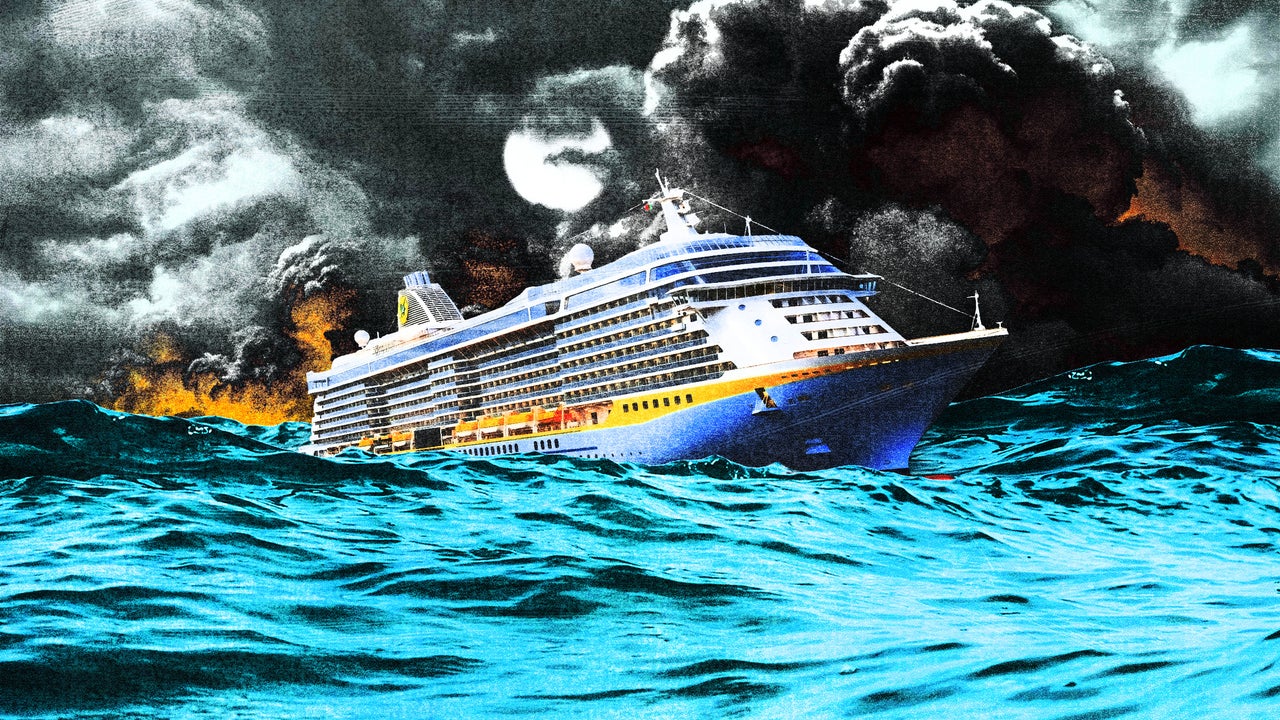
FastCompany: Consumer confidence is feeble , gas prices remain high, the labor market has the jitters, there’s war in the Middle East, and AI doomerism has become part of pop culture . So . . . time to book a cruise? Apparently so. This week Carnival, the largest cruise line, reported record result s—third quarter revenue of $8.4 billion, well ahead of expectations—and, more intriguingly, all-time high bookings for 2027. With customer deposits totaling $7.6 billion in the third quarter, up almost 7% over last year, Carnival says it is roughly half booked for 2027. And 2028 bookings are also ahead of past pace.
Notably, the company points out the spike is due to increased demand and earlier-than-usual bookings, not discounts. On the company earnings call, CEO Josh Weinstein told investors that Americans’ leisure mentality is “catching up” to a European mindset. “Vacations are sacrosanct. And they will take them in good times and in bad,” he said. Still, the robust results may seem counterintuitive in an economically risky period—and just a few years after the COVID-19 pandemic idled basically the entire industry. Not long ago, the whole idea of sharing space for days on end with thousands of strangers sounded vaguely nightmarish.
But the industry as a whole has bounced back. Among Carnival’s chief rivals, Royal Caribbean is arguably an even stronger all-around operator on pricing, margins, and advance bookings; Norwegian is comparatively more cautious and uneven, but lately performing well. News of Carnival’s impressive quarter boosted those competitors’ stock prices , too. There are some practical reasons for this. Even at higher rates, cruise pricing still appeals to consumers attracted to the bundle of lodging and entertainment—and that’s particularly true if they want to lock in that budget in advance, a perk in a volatile economic moment.
Meanwhile, Carnival has benefited from the cruise sector’s broader recovery from its pandemic nadir . The trade group Cruise Lines International Association reported 37.2 million cruise passengers in 2025 and forecast 38.3 million in 2026, compared with 34.6 million in 2024. And that’s been happening despite the backdrop of rising fares. More broadly, and in line with Weinstein’s “sacrosanct” vacation analysis, leisure consumers have come to prize travel and experiences. This is partly an echo of the YOLO economy trend declared in the pandemic era—the You Only Live Once risk-embracing ethos born in response to frustrating lockdown rules.
For some, there was a shift from adventure-aversion to craving the in-person, high contact, and real. The classic cruise, however packaged and planned it may be, offers some version of that direct experience—and that’s what’s selling. Cruisers are booking farther ahead than in prior years, causing some high-demand journeys to sell out early; that helps keep fares higher, nudging some to book ahead even further in a virtuous (for Carnival) cycle.
(Carnival doesn’t disclose which of its specific routes are in most demand, but in the earnings call indicated that Caribbean routes and Northern Europe and Alaska “coolcation” destinations have been popular lately.) There are caveats for the cruise business, of course. Higher fuel prices cut into profits, and geopolitical risk affects itineraries and routes. Cruise demand has been historically cyclical, with weak employment and low consumer confidence often leading to pricing pressure and eventually reduced bookings.
Article truncated for readability. Read the full piece →
The article highlights significant financial success in the cruise industry, reflecting broader consumer trends that brand strategists can leverage, making it impactful and relevant, though the insights on consumer behavior are not entirely new.
Weekly digest
Get the Signal digest
Every Monday morning — the top 3 brand trends, 10 high-signal articles, and one emerging signal to watch.
No spam. Unsubscribe anytime.