Score
How to build a quality furniture collection that is affordable and sustainable
The article emphasizes the importance of building a quality furniture collection that balances affordability and sustainability, encouraging consumers to prioritize durable, secondhand, or locally sourced items over fast furniture. This shift in consumer behavior can inform brand strategies by highlighting the demand for sustainable practices and community engagement in the furniture industry.
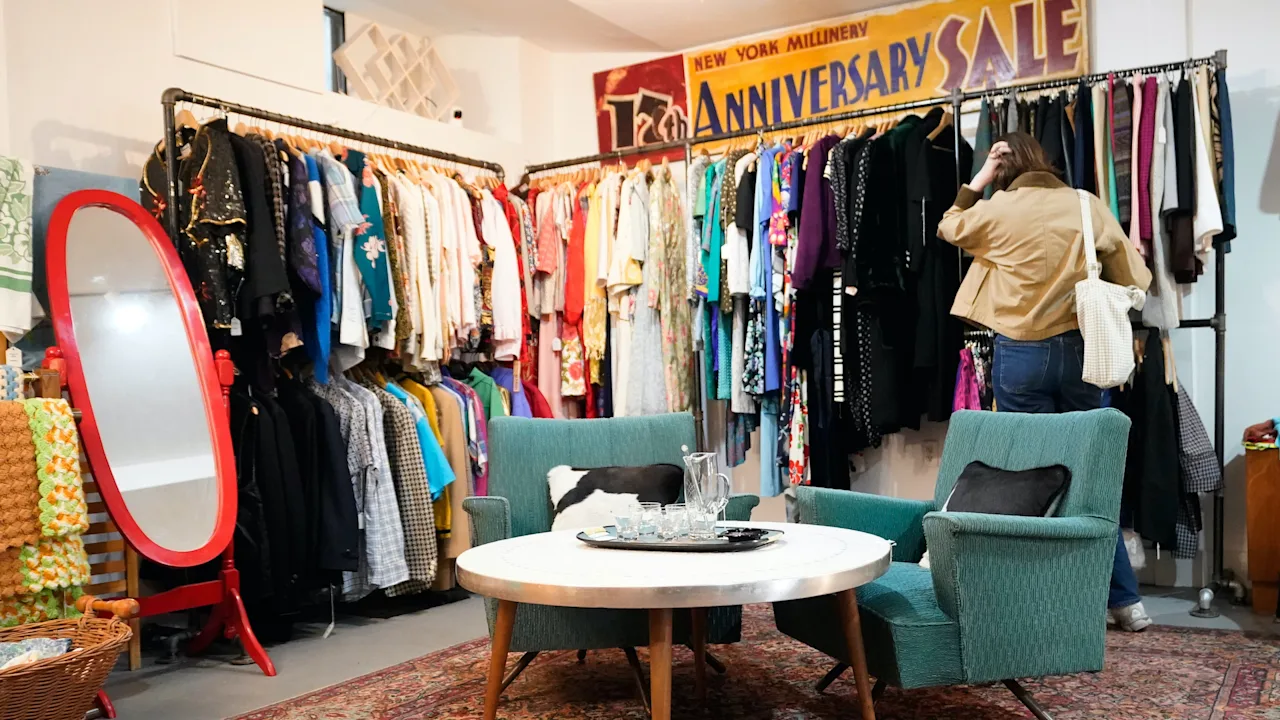
FastCompany: Furniture is one of the biggest hurdles during a move, because good dressers and couches are bulky and expensive. During a stressful time, it makes sense to crave something cheap delivered straight to your door. That’s where fast furniture comes in. These are simple pieces made with a mishmash of plastics, fiberboard, and chipboard that aren’t built to last . They can typically be ordered online, are mass-produced, and ship unassembled in a flat-packed box. They get the job done, but once thrown out, their ingredients generally can’t be recycled and don’t break down well.
“It’s of little emotional value, it’s fleeting, and it is not going to accompany you through your life’s journey,” said furniture and design expert Deana McDonagh with the University of Illinois Urbana-Champaign. Americans dumped over 12 million tons (10.8 million metric tons) of furniture in 2018, according to the Environmental Protection Agency, and 80% of it ended up in landfills. Moving is chaotic, and fast furniture is a sensible solution. But there are ways to decorate your home that are just as cheap and may furnish other parts of your life.
Community groups can help save money When Heather Strong moved to her own place in the Los Angeles area, newly single, she felt like she was starting over. Many of her well-loved furniture pieces, like her favorite pan rack, stayed with her ex in the home she’d left. That’s when she discovered the Buy Nothing Project: an app and network of local Facebook groups where people gave and got things for free. A year and a half later, Strong has furnished her home with dining room chairs, wood furniture, and bedding from her neighbors. “I’ve had the chance to explore different areas of my own community and venture out a little.
And I’ve made some friends,” said Strong, a business owner. Buy Nothing’s co-founder Liesl Clark recommends asking your neighbors before ordering that unassembled coffee table. Comb through neighborhood Facebook and Nextdoor groups, check gifting sites like Freecycle, and see if a friend of a friend knows anyone getting rid of their furniture. Or, look on curbs and front stoops for nice pieces that others have left behind. “You will get so much more satisfaction. You’ll save funds that you can then perhaps spend more locally,” Clark said. Maddie Fischer has furnished most of her Brooklyn apartment with pre-loved pieces.
She found one of her living room chairs in a trash bag on the street and nabbed her kitchen table for free in a move-out giveaway, recruiting her sister and friends to carry it down four flights of stairs. “I don’t mind when things look like they’ve had a little bit of wear and tear,” said Fischer, a social media manager. “I think it gives them more character.” If you can’t find the item you want on the curb, shop secondhand. Try neighborhood thrift stores or sift through sites like eBay, Vinted, and Gumtree. There are also furniture rental websites to source quality items for a short time, but they can be pricey.
Build a quality furniture collection over time If finances permit, it’s never too early to start thinking about buying high-quality furniture. Dressers and tables made of wood and other natural materials are more unique and give the home a personal touch. Plus, they last longer and don’t need to be replaced as often. Decorating an empty home all at once can rack up a hefty price tag. So McDonagh, the furniture expert, recommended buying one nice piece of furniture every year. “If you’re doing it for your future self, take your time,” McDonagh said.
Article truncated for readability. Read the full piece →
The article addresses a growing trend in consumer preferences towards sustainability in furniture, which is significant for brand strategies, though the concepts of affordability and sustainability are increasingly common in discussions around design.
Weekly digest
Get the Signal digest
Every Monday morning — the top 3 brand trends, 10 high-signal articles, and one emerging signal to watch.
No spam. Unsubscribe anytime.