Score
‘I hope this isn’t a marketing stunt.’ The destructive art of hacking attention—and what comes after
The article discusses the evolving landscape of brand marketing, particularly how brands like Arby’s are leveraging attention-hacking strategies through user-generated content to gain visibility without necessarily building a loyal following. This shift towards interest-based algorithms has led to a 'suspicion economy' where consumers doubt the authenticity of brand communications, prompting some brands to seek more genuine connections with their audiences to rebuild trust.
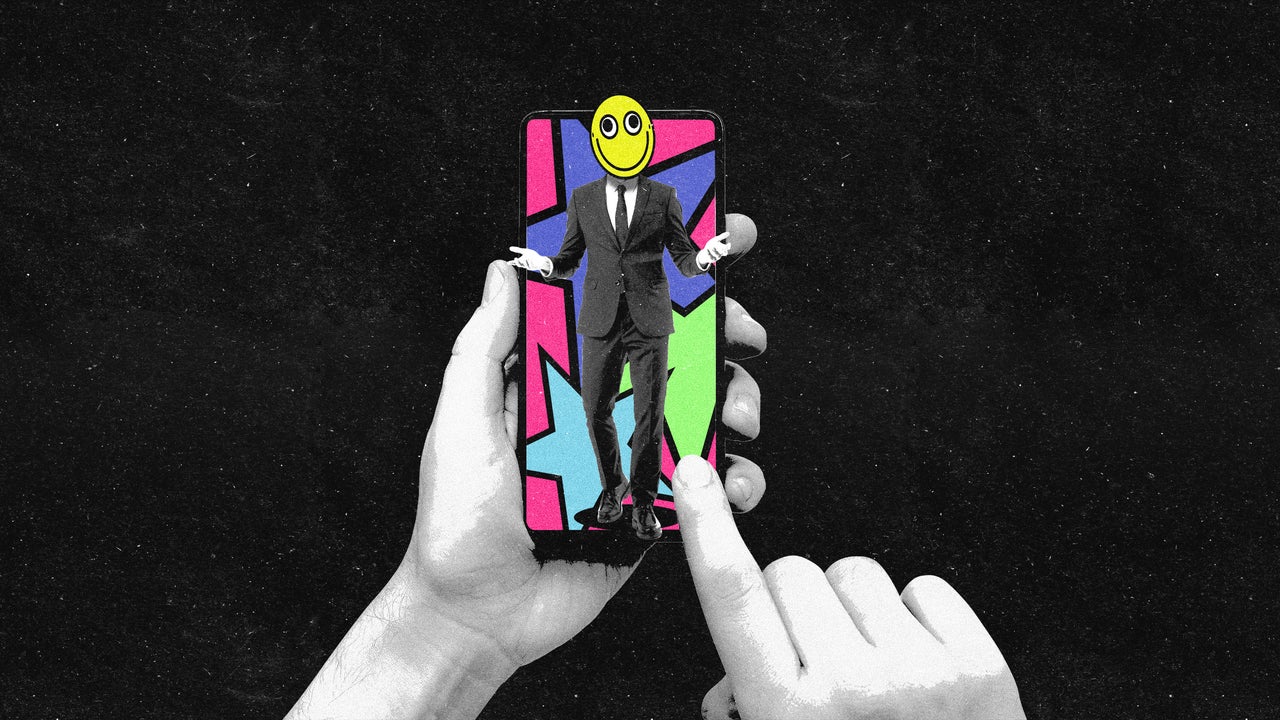
FastCompany: At first glance, it’s just a middle-aged man eating a mountain of steak chunks at Arby’s. Look closer, though, and you start to notice something strange about this already supremely strange scene. The video, posted last October, came from a group of pranking young dudes who call themselves the Arby’s Boys . The account has posted hundreds absurdist videos—a car filled with Arby’s curly fries (caption: “Idk what to do”); an Arby’s cashier taking an order while playing with a finger skateboard (33,000 likes)—all designed to look like user generated content from 20-something guys with an unusual sense of humor.
In reality, Arby’s Boys is the work of Cousin Labs, an agency hired by the restaurant to create a social feed that effectively works like a slot machine for viral Arby’s content. According to Cousin Labs, the account has accumulated more than 100 million unpaid views in six months, despite only having around 45,000 followers. The realization that brands no longer need to build a loyal following to attract eyeballs has been a steroid needle in the buttock of marketers who are churning out social content. This turn towards “interest-based” algorithms (as opposed to follower-based) has created a social ecosystem of easily manufactured virality.
It’s gotten to the point where nobody believes anything anymore. And they probably shouldn’t! View this post on Instagram In today’s social world, brands like Arby’s are encouraged to sidestep the main feed and mimic the user-generated content that tends to go viral. The result is short-term boosts in social content success, but this disingenuous virality has its long-term drawbacks. In an age of increasing AI slop and media manipulation, the waves of brand BS have created a suspicion economy, where no one really thinks anything is sincere.
Now every time something cool happens in culture or a band becomes popular or a giant metallic monolith mysteriously appears in the desert —one of the first comments is inevitably, “I hope this isn’t a marketing stunt.” Nothing is real. Everything is advertising. But there’s a bifurcation taking place in the brand world, with some brands aiming to create more earnest content and experiences to rebuild trust, while others utilize the newest tools at their disposal to prioritize attention, even if it further erodes our collective trust and their ability to break through in future efforts.
It’s a fight that will redefine how we build, play, and interact online, and determine the trajectory of our deteriorating relationship with truth and pop culture. In this Fast Company premium subscriber exclusive, read on to learn: How the erosion of audience trust by some brands has created a golden opportunity for others Why Cousin Labs’ Arby’s Boys strategy isn’t as diabolical as it seems What brands can do to build trust AND massive fan audiences No Surprise In the early 2000s, brands took pride in their ability to hack culture, convince people something was real, then pull the mask off Scooby-Doo style and say, “Surprise!
It’s advertising!” And oh how the people laughed. In 2008, to prove its new line of pastas were legit, Pizza Hut created a fake Italian restaurant called Toscani’s and asked people for their reviews before revealing that it was really Pizza Hut pasta. That stunt, and subsequent copycats, inspired SNL’s hilarious 2018 Burger King coffee sketch starring Adam Driver . When a 310-foot-diameter crop circle appeared in a farmer’s barley field in Chualar, California, in late 2013, the internet was buzzing with theories of who made it, and what it meant. A few weeks later, it was revealed as a marketing stunt for Nvidia .
Article truncated for readability. Read the full piece →
The article addresses significant shifts in brand marketing strategies that are highly relevant to industry professionals, particularly in the context of authenticity and consumer trust.
Weekly digest
Get the Signal digest
Every Monday morning — the top 3 brand trends, 10 high-signal articles, and one emerging signal to watch.
No spam. Unsubscribe anytime.