Score
How Jellycat Escaped The Commodity Trap
The article discusses how Jellycat, a London-based soft toy company, has successfully navigated the competitive and price-driven plush toy market to emerge as a leader, even being named one of TIME's 100 most influential companies. Despite the challenges of a crowded market filled with cheap alternatives, Jellycat's brand strategy has led to significant revenue growth. Brand strategists can learn from Jellycat's ability to differentiate itself and build a strong brand identity in a commoditized category.
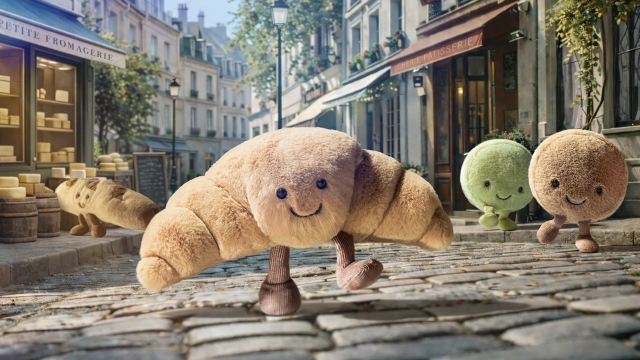
Branding Strategy Insider.: The teddy bear is more than 120 years old. Soft toys are one of the oldest, most crowded, and most price-driven categories in consumer goods, full of cheap lookalikes and characters licensed from film franchises. Asked to name a category where brand power goes to die, plush would be a reasonable answer. Yet in April 2026, TIME named Jellycat one of its 100 most influential companies.
Jellycat's success in a competitive market provides valuable insights for brand strategists, making it a significant case study in brand differentiation and identity.
Weekly digest
Get the Signal digest
Every Monday morning — the top 3 brand trends, 10 high-signal articles, and one emerging signal to watch.
No spam. Unsubscribe anytime.