Score
The influencer bubble is finally popping
The article highlights a significant shift in brand strategy from traditional influencers to modern creators, who offer deeper connections and authority within their niches. Brands like Rocket Companies and e.l.f. Beauty are increasingly prioritizing long-term partnerships with creators to enhance engagement and authenticity, moving away from the transactional nature of influencer marketing. This evolution underscores the importance of cultural relevance and trust in building brand relationships in the digital age.
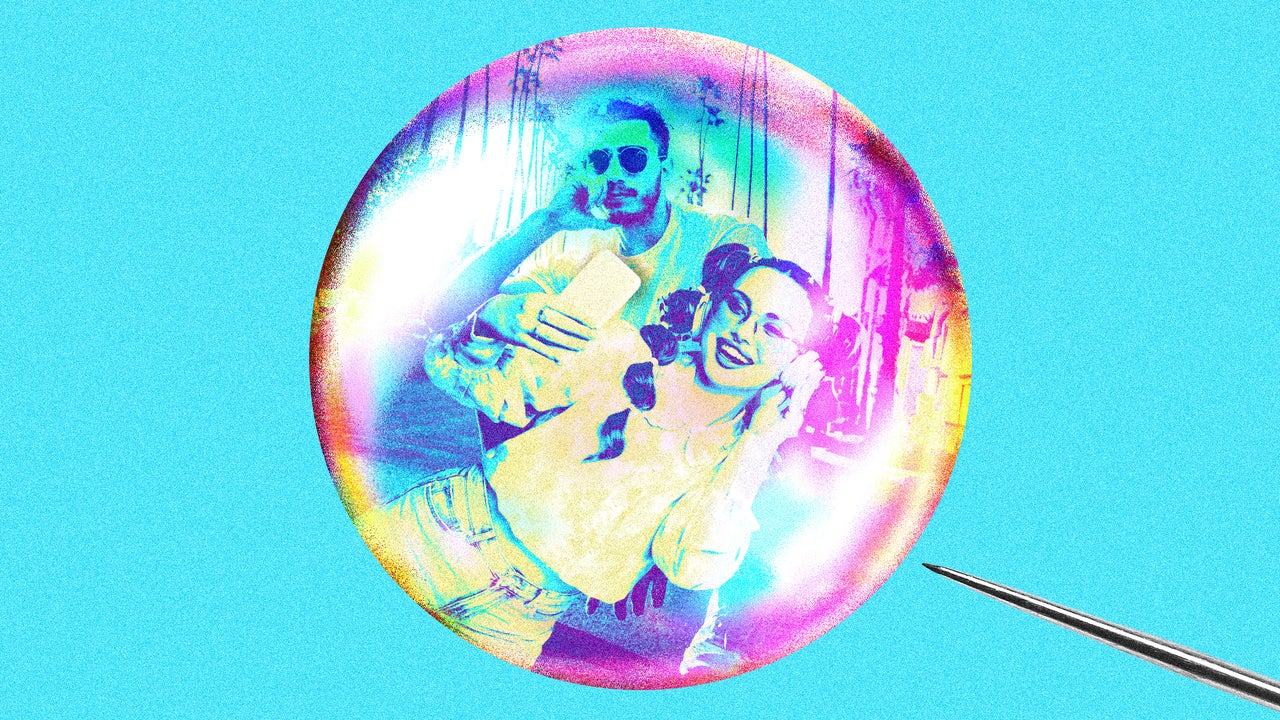
FastCompany: Up until about 40,000 years ago, there were two closely related but distinct human species on this planet. The Neanderthals, who lived mostly in Europe and Western Asia, and Homo sapiens, who originated in Africa. The two separate species overlapped for more than 200,000 years, but eventually the Neanderthal faded away. What happened? There was no single event, but rather a gradual shift that saw Homo sapiens dominate thanks to factors like living in larger social groups, better dietary flexibility, and faster innovation in things like tools, fishing and hunting tactics, and more.
Today, 95% of the human genome can be traced back to Homo sapien lineage. The Homo sapiens clearly won. Look, I’m no anthropologist, but there’s a clear analog in our modern media ecosystem: Influencers are the Neanderthals, and creators are the Homo sapiens. While influencers still offer marketers a transactional relationship for broad reach, creators are more authoritative media partners delivering a deeper connection to their fan communities. They’re the same genus, but one has proven superior to the other, with creators emerging as a more modern species for brand communications.
Earlier this summer, at the Cannes Lions Festival of Creativity, creators were the undisputed stars. Meetings, panels, and parties were backed with the whole creator spectrum, from studio giants like Mr. Beast and Dhar Mann, to waves of smaller, more niche creators like avant-garde make-up artist Cindy Chen . There was as much buzz about the rise of the creator as there was excitement for all things AI —and that’s saying a lot. That buzz has started to translate into action, though, and it doesn’t bode well for influencers. Rocket Companies spent about $1 billion on marketing and advertising in 2025.
The mortgage and real estate company (owner of both Rocket and Redfin) had been consistently working with both influencers and creators, but CMO Jonathan Mildenhall says the difference in value is stark, and the strategy has changed. “I was seeing the rise of creators, and I was seeing the boring predictability of influencers,” says Mildenhall. “And about this time last year, I pulled my team together and I said, ‘I don’t want to work with influencers anymore.
I don’t want to work with shiny, happy people who are hawking products the whole time that don’t have authority, true authority, on their content and all the products that they’re endorsing.” The influencer bubble has popped. Like the good ol’ Neanderthal, there may be some traces of influencer DNA left, but we’re entering the era of the creator. According to the industry sources I spoke to, creators are the future of how brands want to find, engage, and capitalize on new audiences. In this Fast Company premium subscriber exclusive, read on to learn: How brands like Rocket, Chime, and e.l.f.
Beauty are riding the creator wave Why the almighty algorithm and LLMs prefer creator content What the DoubleClick of the creator economy looks like Reach vs engagement Influencers were born into a social media ecosystem that prioritized reach over engagement. These social media stars brought brands into their feeds and vlogs, often organically at first, to sell products that often had little to do with them or their interests. It was a baldly transactional relationship, and it worked for both brands and influencers for years. But starting around 2014 , Meta began deprioritizing organic brand content in favor of ads that paid Meta.
Article truncated for readability. Read the full piece →
The article discusses a significant shift in brand strategy that affects how companies engage with their audiences, making it highly relevant and impactful for brand professionals, while the concept of moving from influencers to creators is a notable trend but not entirely new.
Weekly digest
Get the Signal digest
Every Monday morning — the top 3 brand trends, 10 high-signal articles, and one emerging signal to watch.
No spam. Unsubscribe anytime.