Score
True rarity, short supply chains, and made-on-demand models: What today’s luxury brands can learn from the pre-1990s
The article discusses the challenges facing luxury brands today, highlighting a structural crisis stemming from over-reliance on heritage products, reputational issues due to price increases, and the impact of technological disruption. It argues that the traditional luxury model is outdated and suggests a return to pre-1990s practices, emphasizing made-on-demand production, shorter supply chains, and a focus on sustainability as a means to restore desirability and competitive advantage. Brand strategists can take away the importance of innovation and authentic scarcity in luxury branding to adapt to changing consumer expectations.
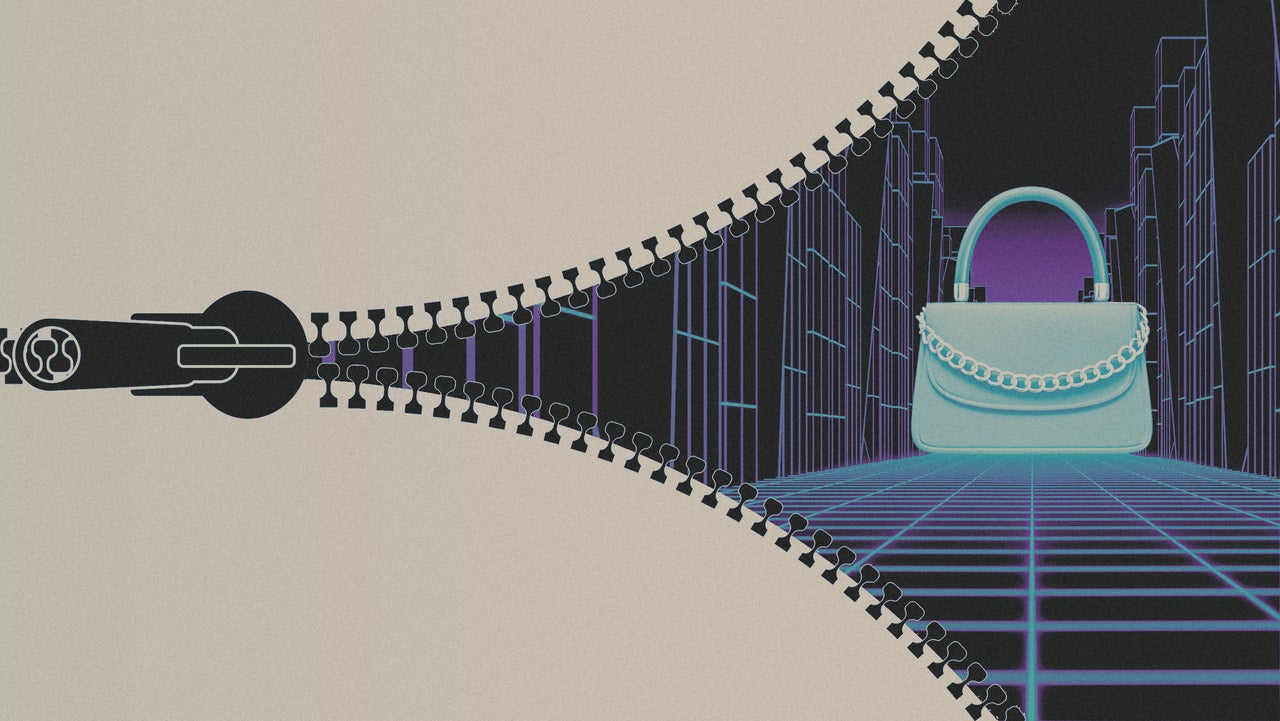
FastCompany: Luxury brands have witnessed three decades of unprecedented growth. In April 2023, LVMH, home to the likes of Givenchy and Guerlain, even briefly became Europe’s most valuable company. Since then, most luxury giants have lost momentum. Estée Lauder’s stock price has shed 35% since the start of 2024 . Hermès has lost 34% so far this year, and shares in Richemont, owner of Cartier and Chloé, have yo-yoed and are now down 15%. Luxury’s troubles are not cyclical; they are structural. The hard truth is this: The playbook that made luxury successful is becoming its handicap. Why?
The contemporary luxury model has run out of road First, luxury is suffering from an innovation recession. Brands increasingly rely on heritage and iconic products rather than creating the next generation of desirable goods. The Hermès Birkin bag, for example, was created in 1984. In 2023, Bernstein estimated that with the Kelly bag, another 1977 icon and a rebrand of a bag invented in the 1930s, these two models accounted for more than 13% of the brand’s annual revenue. The question is: Can one endlessly thrive on products that were created for our ancestors? Second, luxury created a reputational recession.
Post-COVID price increases far outpaced any increase in functional value. With societies increasingly polarized economically, and stricken by repetitive inflationary costs, the sector has lost 70 million consumers between 2022 and 2025, according to Bain’s estimate . Meanwhile, there is only so much that billionaires want to buy. In fact, the super wealthy are more interested in buying one-of-a-kind experiences, say, a house on the most pristine coast in the world, that reduce other billionaires’ ability to buy them, than “artificially rare” luxury products. Third, technological disruption is accelerating.
In sectors such as automobiles, innovative Chinese players like NIO and Yangwang are redefining what premium products look like and experiences mean. In China, they have already challenged even the likes of Lamborghini and Mercedes-Benz. Most importantly, luxury has become a commodity. Since the ascent of LVMH in the early 1990s, the industry has followed a common playbook built on mass- marketing intensity, standardized retail experiences, global scale, and industrialized, sometimes even offshored, supply chains.
Brands increasingly hide abundance behind stories of scarcity and have never emphasized craftmanship so much in their communication. Paradoxically, the world has never counted so many billionaires, and yet, the number of historic fashion houses showing haute couture in Paris had dwindled to three this past July, out of the eight present in 1990 and still alive today. Houses that once sold style now sell logos. Houses that once produced two collections a year now produce six. In the pursuit of growth, luxury has become less rare. The result is a loss of creativity, differentiation, and internal dynamism.
In March this year, Jing Daily reported that luxury brands are hemorrhaging talent because employees no longer see where they can contribute beyond optimizing a model that has reached its limits. A culture of perfection trumps one of excellence. Environmental degradation and social polarization make change unavoidable Luxury’s expansion has also carried environmental and social costs. Across sectors, growth has been accompanied by rising emissions, resource consumption, biodiversity loss, and supply chain controversies.
Article truncated for readability. Read the full piece →
The article addresses significant challenges in the luxury brand sector and proposes innovative strategies that are highly relevant to brand strategists, while also introducing concepts that, although not entirely new, are gaining renewed attention in the context of current market dynamics.
Weekly digest
Get the Signal digest
Every Monday morning — the top 3 brand trends, 10 high-signal articles, and one emerging signal to watch.
No spam. Unsubscribe anytime.