Score
Whole Foods used to be ‘Whole Paycheck.’ Now it’s the hottest home for affordable beauty
Whole Foods is transforming its beauty section into an affordable destination for clean beauty products, moving away from its previous image as a high-end grocery store. By offering a curated selection of beauty brands at competitive prices, Whole Foods aims to attract budget-conscious consumers while maintaining its reputation for quality and safety. Brand strategists can learn from Whole Foods' approach to leveraging its established trust and rigorous standards to differentiate itself in a crowded beauty market.
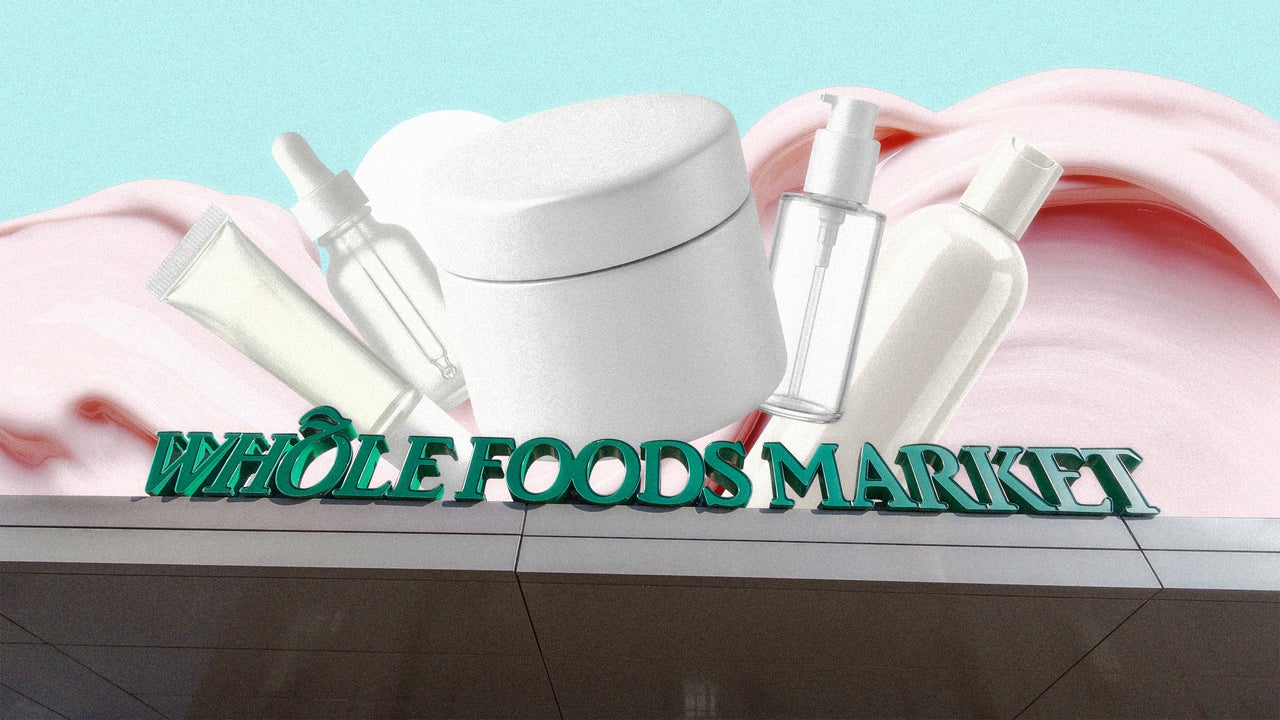
FastCompany: The beauty section at my local Whole Foods just got a glow-up. Steps from the entrance, just past the fruits and vegetables, the beauty aisle is now overflowing with dozens of new brands and products. Alongside the Pacha bath bombs and Dr. Bronner’s soaps that have long been staples, you can find Cocokind’s electrolyte water cream, a moisturizer that promises to give you the glassy skin that’s so popular on TikTok . Magic Molecule vows to clear acne with a spritz of its viral skin spray. Then there’s Indie Lee. Fifteen years after helping pioneer clean skincare, the brand just debuted Indie Lee Botanicals exclusively at Whole Foods.
Since the 1980s, Whole Foods Market has been synonymous with organic produce and the affluent neighborhoods that can afford it. But over the past two years, the grocer—which Amazon acquired in 2017—has been quietly turning itself into a beauty destination. In any given week, the retailer sells products from 100 brands, according to Kat Stevenson, Whole Foods’s senior category merchant for beauty (for comparison, Sephora has around 400 brands).
Now emerging beauty brands are vying for a spot on Whole Foods’s shelves by courting its merchants with exclusive lines and reformulating their products to avoid the 200 ingredients that Whole Foods bans. Whole Foods’s push into beauty is strategically timed. A volatile economy and skyrocketing inflation have made consumers across all economic backgrounds more careful with their money. Even the wealthier shoppers who frequent Whole Foods are looking to cut costs, and some are flocking to lower-priced grocers.
(For instance, Walmart’s market share gains now come from households making upwards of $100,000 and $200,000 a year.) But while the groceries at Whole Foods have a reputation for being pricey, its beauty shelves skew toward the accessible end of the market, well below what shoppers are used to paying in premium stores like Sephora or Bluemercury. Whole Foods is betting it can capture a bigger share of the budget-constrained shoppers’ dollars by offering clean, high-quality beauty products at prices that undercut prestige beauty retailers.
So far, the gambit seems to be working: In-store customers at Whole Foods are continuing to shell out for its merchandise, but they’re shifting a share of their purchases away from groceries to things like beauty. “We’re not seeing [our customers] reduce their spend,” Stevenson says. “They’re changing the way they’re spending.” [Photo: Whole Foods] Beauty’s shelf-space wars Beauty is a thriving business. Americans spent $36 billion on high-end (or “prestige,” in industry parlance) beauty products last year, and another $72.7 billion on mass-market beauty, according to market research firm Circana.
McKinsey estimates the global beauty industry’s value at $450 billion. Over the past decade, the barriers to starting a beauty brand have steadily fallen away. Third-party chemists can quickly formulate and manufacture products; you can launch an online store in minutes with Shopify; and you can hire an army of influencers to promote your latest serum. As a result, the beauty market has become flooded with products. Analyst firm NielsenIQ has identified that there are 2,200 independent beauty brands on the market that generate upwards of $1 million in annual sales, and 57 that generate upwards of $50 million.
Article truncated for readability. Read the full piece →
Whole Foods' shift to affordable beauty products is significant for brand strategy professionals as it showcases a successful rebranding effort that leverages existing brand trust while addressing market demand.
Weekly digest
Get the Signal digest
Every Monday morning — the top 3 brand trends, 10 high-signal articles, and one emerging signal to watch.
No spam. Unsubscribe anytime.