Score
The way we finance new highways and roads is no longer working
The current funding model for highways and roads, primarily reliant on gas taxes, is unsustainable as it disproportionately burdens non-drivers and fails to account for the rise of fuel-efficient and electric vehicles. For brand strategy, this highlights the need for infrastructure brands and policymakers to innovate funding mechanisms that reflect modern transportation realities and equitable usage, ensuring that those who benefit from road infrastructure contribute fairly to its maintenance and development.
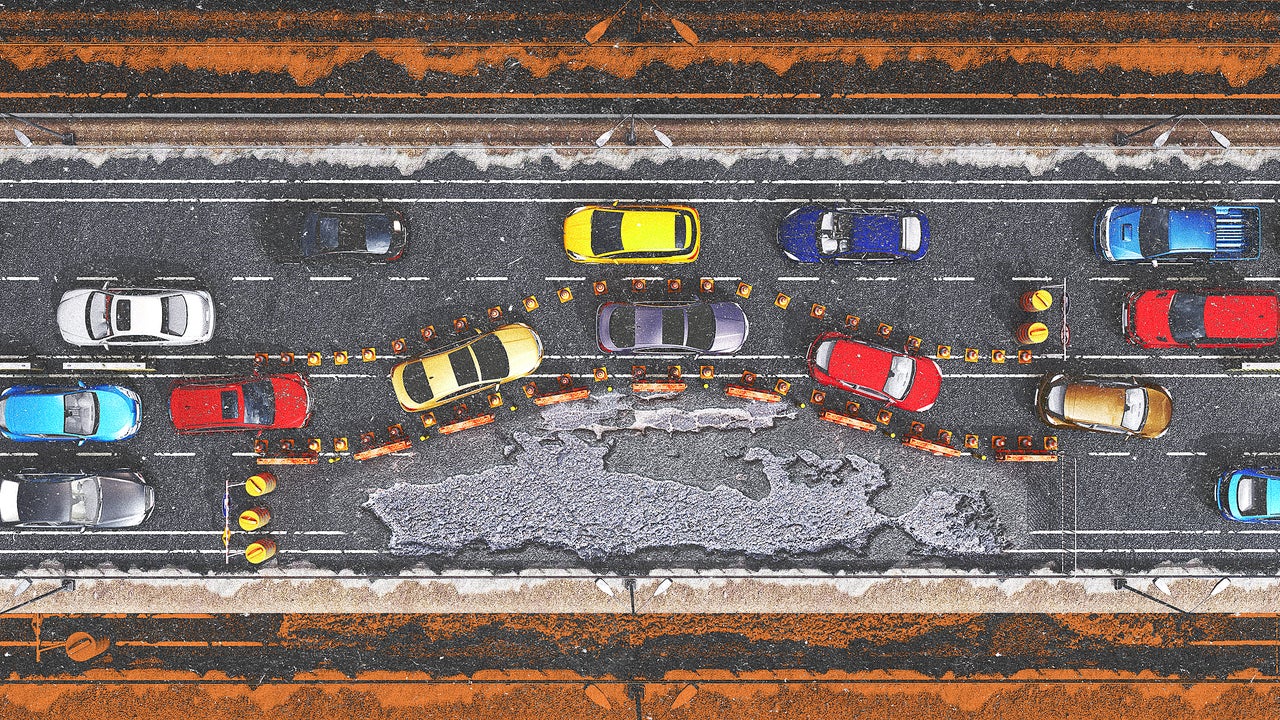
FastCompany: Taxpayers who don’t or can’t drive are increasingly subsidizing those who do, and it’s not sustainable. For decades, the main way we paid for highways, bridges, and major roads was through dedicated user fees. The biggest one is the federal gas tax. States have their own gas taxes too, plus vehicle registration fees and tolls in some places. The idea was simple: The more you drive and the more gas you burn, the more you pay. That money went into the Highway Trust Fund and state road funds. It was supposed to cover building and fixing roads without dipping into money for schools, health care, or other services.
For decades, the deal seemed straightforward: Drivers pay for roads through gas taxes, and the system runs itself. User fees fund the infrastructure. Everyone else stays out of it. {"blockType":"mv-promo-block","data":{"imageDesktopUrl":"https:\/\/images.fastcompany.com\/image\/upload\/f_webp,q_auto,c_fit\/wp-cms-2\/2025\/12\/speakeasy-desktop.png","imageMobileUrl":"https:\/\/images.fastcompany.com\/image\/upload\/f_webp,q_auto,c_fit\/wp-cms-2\/2025\/12\/speakeasy-mobile.png","eyebrow":"","headline":"\u003Cstrong\u003ESubscribe to Urbanism Speakeasy\u003C\/strong\u003E","dek":"Join Andy Boenau as he explores ideas that the infrastructure stat
us quo would rather keep quiet. To learn more, visit \u003Ca href=\u0022http:\/\/urbanismspeakeasy.com\/\u0022\u003Eurbanismspeakeasy.com.\u003C\/a\u003E","subhed":"","description":"","ctaText":"SIGN UP","ctaUrl":"http:\/\/urbanismspeakeasy.com\/","theme":{"bg":"#f5f5f5","text":"#000000","eyebrow":"#9aa2aa","subhed":"#ffffff","buttonBg":"#000000","buttonHoverBg":"#3b3f46","buttonText":"#ffffff"},"imageDesktopId":91453933,"imageMobileId":91453932,"shareable":false,"slug":"","wpCssClasses":""}} The federal gas tax—18.4 cents per gallon—hasn’t been raised since 1993.
Meanwhile, vehicles have gotten dramatically more fuel efficient, hybrids are commonplace, and electric vehicles (EVs) are surging. As a result, the Highway Trust Fund, which was supposed to be self-sustaining, has run a deficit every single year for more than a quarter century. In fiscal year 2025 alone, the gap between what drivers paid in and what roads cost hit $30.6 billion. Over the past 15-plus years, Congress has transferred roughly $275 billion from the general Treasury into the Highway Trust Fund. That’s income taxes, sales taxes, borrowed money added to the national debt.
The Congressional Budget Office projects the fund could run dry around 2028, with annual shortfalls potentially exceeding $40 billion soon after. Over the next decade, the cumulative gap could reach hundreds of billions of dollars. The roughly one-third of Americans who don’t drive—seniors who’ve stopped, people with disabilities, low-income households who can’t afford a car, people in transit-served cities—are subsidizing infrastructure they use little or not at all. When governments fill road-funding gaps with property taxes and sales taxes, the costs fall on renters, homeowners, and shoppers across the board. There’s no opt out.
Meanwhile, artificially low user fees don’t just create a budget hole, they distort travel behavior. When drivers don’t feel the true cost of road usage, it encourages more driving, more sprawl, and more infrastructure demand, which creates more funding pressure in a self-reinforcing cycle. There are ways to deal with this unsustainable subsidy problem that aren’t at all radical. None of these require demonizing the car or the people who depend on one: Index the gas tax to inflation so it doesn’t erode. Implement mileage-based fees that capture revenue from EVs and hybrids. Prioritize maintenance over new construction.
Article truncated for readability. Read the full piece →
The article addresses a significant issue in transportation funding that affects infrastructure brands and policy, making it impactful and relevant, while the concept of rethinking funding models is not entirely new.