Score
Chinese chains Luckin Coffee and Mixue are coming for U.S. customers, because U.S. companies taught them how
The entry of Chinese chains like Luckin Coffee and Mixue into the U.S. market signifies a shift in consumer behavior towards affordable, convenient fast food options. This trend highlights the importance of adapting brand strategies to local markets, leveraging mobile technology, and offering value-driven products to capture the attention of price-sensitive consumers.
FastCompany: Last week, I whooshed into a Luckin coffee shop in Lower Manhattan, snatched my mobile order off the counter, and was back on the street within eight seconds—as if I’d run upstairs to grab my keys. The fact that this required zero human interaction barely registered, especially because I was too giddy about the deal I’d scored on the app. My iced coconut latte cost a mere $1.99—a full 69% off the regular price, after I used one of the six active coupons that appeared on the screen.
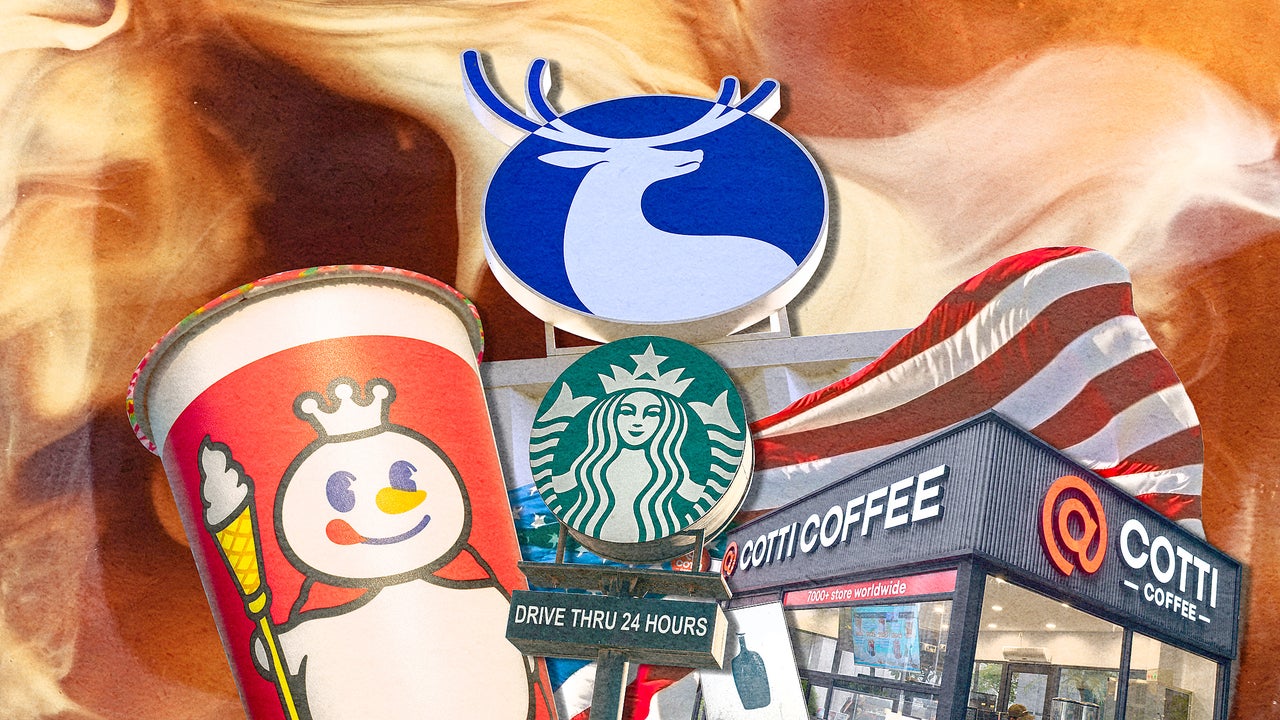
I had officially gotten myself swept up in America’s latest fast-food trend: cheap, flavorful drinks ready in an instant, sold by Chinese chains on apps where the coupons give hourly countdowns. I took a sip and enjoyed the coconut latte Luckin is pushing for all of May, a drink it claims has been sold more than 2 billion times worldwide since April 2021. Chinese chains—Luckin Coffee, Mixue Ice Cream & Tea, Cotti Coffee, and Chagee among them—feel built for this moment, when Americans are pinched for cash and spending is tilting hard toward bargains and little treats.
Their success here may determine whether habits forged in China’s brutal consumer economy will reshape how the rest of the world buys and sells fast food. Chinese fast food colonizes the U.S. China has a head start on dealing with the “down economy.” The country has been hit hard. Spending is projected to drop 18 points in 2026, trapping its food-and-beverage sector in what analysts call an acute oversupply problem. China now has roughly three times more outlets than the U.S. per capita, a saturation level that has triggered a profit-killing race to the bottom.
The country is in its third year of the so-called coffee wars, where chains like Luckin (the biggest, with 33,000 stores) and Cotti (a distant second, at 16,000) drove prices as low as 40 cents a cup last summer. There are too many stores chasing too few customers. So now the biggest players are migrating here. In the past year, U.S. consumers have gotten their first Luckin outposts and their first taste of Mixue, the world’s largest food-and-beverage chain, which sells cheese-foam tea and $1 soft serve. They have witnessed the openings of Cotti coffee shops and Chagee teahouses, and a twentyfold jump in Heytea cafés.
They have also seen the arrival of food chains like Wallace, China’s 20,000-unit KFC rival, which offers Californians a three-for-$10 chicken sandwich deal. Mainly, though, the influx is being driven by a flood of beverage joints hawking cheap coffee, tea, ice cream, and sweets. The influx marks a striking reversal from the ’90s, when American fast-food companies began pouring into China, lured by the irresistible pull of a billion new customers—and the turnabout has happened with remarkable speed. Just a few years ago, U.S.-based coffee chains still eyed China as their great untapped frontier.
In this subscriber-exclusive story, you’ll learn: What Starbucks taught Chinese entrepreneurs about fast food—and how it’s now being sold back to Americans Why beverages are key to winning over customers in the U.S. Which marketing agency is influencing Chinese brands’ strategy The one big thing that could trip up Chinese chains How Starbucks taught China Three and a half years ago, I reported on Starbucks’s aggressive growth strategy in China. Starbucks was opening a new café every nine hours in the country, a pace so aggressive, it left some analysts puzzled. Experts I interviewed saw a company working hard to appease the Communist Party.
Article truncated for readability. Read the full piece →
The entry of these Chinese chains into the U.S. market represents a significant shift in competitive dynamics, making it highly relevant for brand strategy professionals, while the insights on adapting strategies to local markets offer actionable takeaways.