Score
Dr Uduak Okon On 5 Things We Must Do To Improve the US Healthcare System
Dr. Uduak Okon's insights emphasize the importance of integrating primary care and addressing social determinants of health (SDOH) to enhance health outcomes in the U.S. healthcare system. For brand strategy, this highlights the need for healthcare brands to focus on community engagement, data-driven solutions, and preventive care initiatives that resonate with underserved populations.
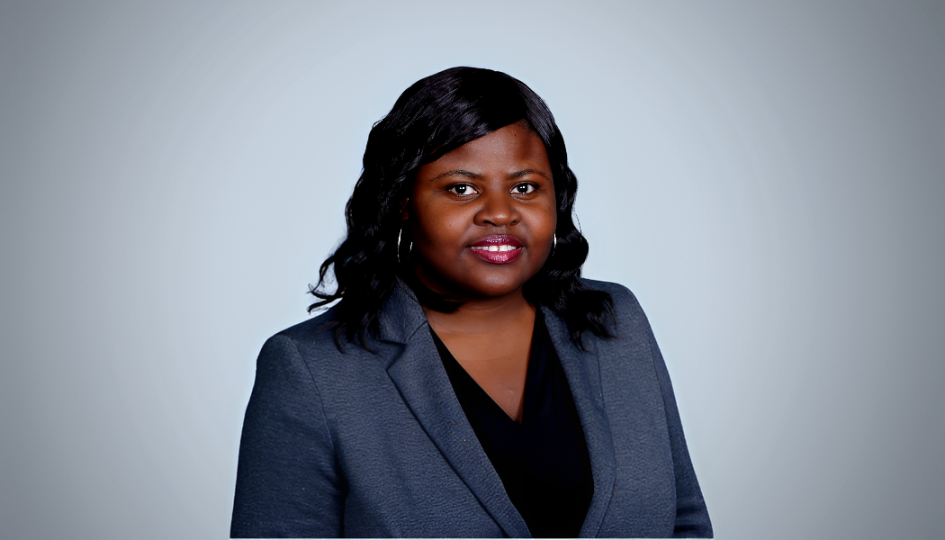
Authority Magazine: Dr Uduak Okon On 5 Things We Must Do To Improve the US Healthcare System -- Listen Share Investing in primary care and social determinants of health (SDOH) interventions should be prioritized to bridge gaps in improving health outcomes. Access to primary care alongside addressing SDOH reduces hospitalizations and long-term costs.
A mobile screening and social-service referral piloted in local communities showed that preventive uptake increased when transportation and food security referrals were built into the workflow. Investing in primary care and social determinants of health (SDOH) interventions should be prioritized to bridge gaps in improving health outcomes. Access to primary care alongside addressing SDOH reduces hospitalizations and long-term costs.
A mobile screening and social-service referral piloted in local communities showed that preventive uptake increased when transportation and food security referrals were built into the workflow. As a part of our interview series called “5 Things We Must Do To Improve the US Healthcare System”, I had the pleasure to interview Dr. Uduak Okon. Chronic disease is one of the most expensive and quietly devastating challenges facing the United States, yet few leaders approach it with the blend of scientific rigor, community insight, and human compassion that defines Dr. Uduak Okon’s work.
A physician and public health expert with experience across academic research, regional health systems, and on-the-ground community outreach, Dr. Okon is dedicated to closing gaps in access and improving outcomes for underserved populations. From reducing COVID-19 disparities to strengthening opioid-overdose prevention in rural Washington, her data-driven approach has helped shape smarter, more equitable health strategies. Today, Dr. Okon is on a mission to make prevention a national priority and bring actionable, evidence-based solutions to the front lines of American health. Thank you so much for joining us in this interview series!
Before we dive into our interview, our readers would like to get to know you a bit. Can you tell us a story about what brought you to this specific career path? From a young age, I enjoyed following the world’s underlying logic. While other children chased fireflies, I followed patterns. Numbers, riddles, and strategy games. I wasn’t just playing, I was decoding. It seemed like I was standing on the edge of a hidden map, slowly figuring out how everything fit together. That calm interest with patterns and cause-and-effect drew me to medicine, where every symptom is a hint and every diagnosis is a little victory of reasoning.
I followed that road across continents, first to the University of Medicine and Pharmacy in Iasi, Romania, and then to Central Washington University to complete my Master of Public Health. But somewhere along the road, my route expanded. I discovered I wasn’t simply attracted to individual diagnoses, but to the pulse of whole communities. I wanted to know not just what made people sick, but also why and how to prevent it from happening in the first place.
Article truncated for readability. Read the full piece →
The article addresses significant improvements needed in the U.S. healthcare system, which has implications for healthcare branding and strategy, making it impactful and relevant, though the concepts discussed are not entirely new.