Score
The U.K.’s next banknotes might feature cute foxes and prismatic butterflies
The Bank of England's decision to feature wildlife on its next series of banknotes represents a significant shift in brand strategy, moving away from historical figures to embrace nature and conservation. This change not only aims to enhance public engagement through a voting process but also addresses practical concerns such as security and counterfeiting, reflecting a modern approach to currency design.
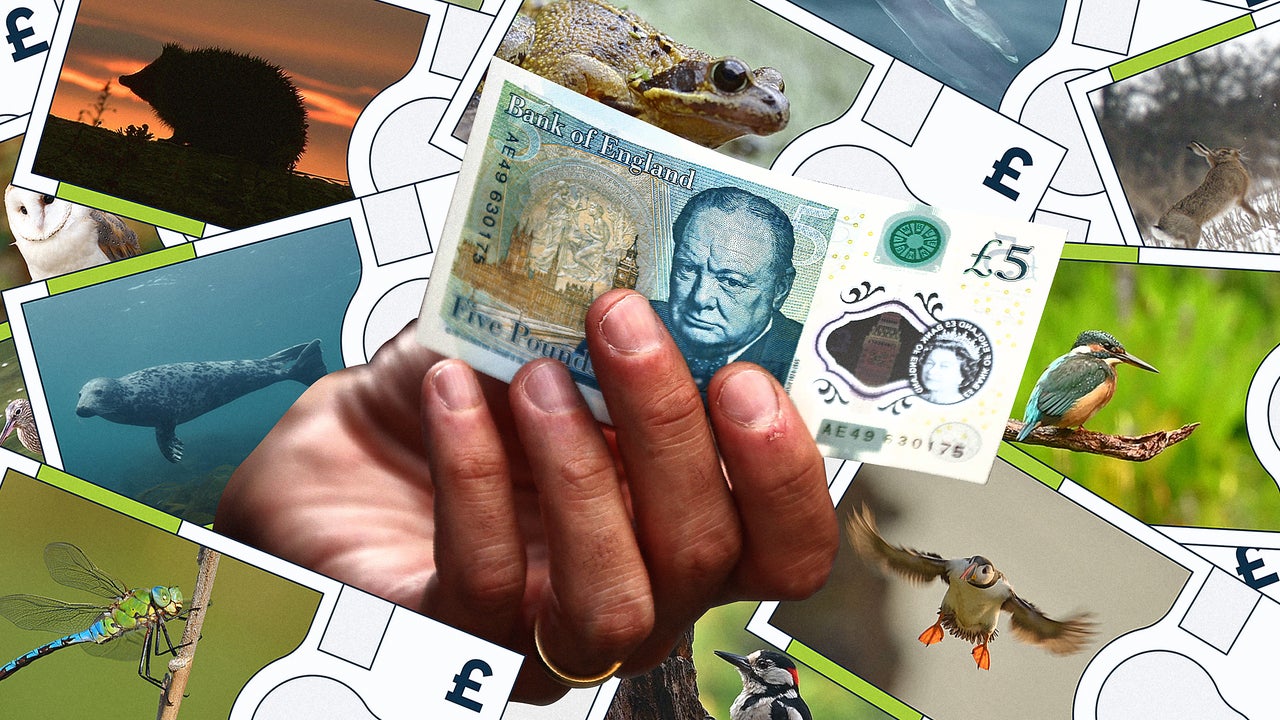
FastCompany: What do a European hedgehog, a Eurasian curlew, and a buff-tailed bumblebee have in common? They all might be the stars of the U.K.’s next run of banknotes. Following a public consultation last year, the Bank of England has decided its next series of £5, £10, £20, and £50 bills will feature wildlife instead of historical figures. The financial institution is letting the public vote on which creatures will star on the paper currency. The central bank released a shortlist of 18 species divided into three categories—mammals; birds; and amphibians, insects, and fish—with a public vote open from June 3 to July 3.
The chosen animals will replace the former designs, among them one that includes the divisive former prime minister Winston Churchill. [Images: Bank of England] Voters can choose one animal per category of species, with candidates including the gray seal, red fox, great spotted woodpecker, and the common frog. The selected animals—all native to the United Kingdom (England, Scotland, Wales, and Northern Ireland) and chosen by a panel of wildlife experts—will replace current human figures on the banknotes. The winners will be announced by the end of the year.
The central bank has stated that winners will not necessarily be the most-voted-for animals, but public feedback will be used in the decision process. Fear not: Humans aren’t disappearing entirely. The designs for the series will also include a portrait of the monarch. Despite the adorable nature of the wild subjects, the decision to redesign the bills is more of a practical than stylistic one. “To ensure our banknotes remain secure, we periodically issue a new series which incorporates the latest security features to help prevent counterfeits,” the Bank of England said on its website.
“When we issue a new series, we also usually update the imagery on banknotes to help the public easily distinguish them.” While the redesign is under development, individuals shouldn’t expect to see the animal-themed banknotes in circulation anytime soon. “It will be a number of years before the next series is launched,” the bank said. “It is a detailed, multiyear process to design, test, and print the notes, ensuring they are high quality, resilient, and accessible, and incorporate the latest anti-counterfeiting technology.” Cute creatures on currency are far from an aberration.
One in six countries prominently feature animals on their money, often because of their widespread cultural appeal, in order to raise awareness about conservation efforts and to avoid historically controversial people. When done well, the currency can become a collector’s item. In 2021, Mexico redesigned its 50-peso bill to feature an axolotl, a salamander-like amphibian whose face looks like it’s always smiling. The aquatic creature replaced José Maria Morelos (1765–1815), leader of the Independence movement, on the banknote. The design was an instant icon.
Residents refused to spend the pinkish-purple bill, and the Bank of Mexico estimates that people are hoarding $26 million worth of the currency. One country, however, seems to be resisting the trend: the United States. The Trump administration has pushed for a $250 banknote featuring the president’s portrait to commemorate the U.S.’s 250th anniversary—despite federal law prohibiting living figures from appearing on currency. The U.K.’s announcement has sparked strong reactions, with some individuals sharing their discontent over replacing historical figures with the beauty of nature.
Article truncated for readability. Read the full piece →
The decision to feature wildlife on banknotes represents a significant shift in branding for currency, making it impactful and relevant for brand strategy professionals, while also introducing a novel approach to public engagement.