Score
SoulCycle had a cult following. Then, one decision changed everything
SoulCycle's brand strategy was built on creating a strong self-image and community connection for its riders, positioning itself as more than just a fitness brand. However, a misalignment between the brand's actions and the values of its customers led to a rapid decline in loyalty, highlighting the critical importance of maintaining trust and authenticity in identity-driven branding.
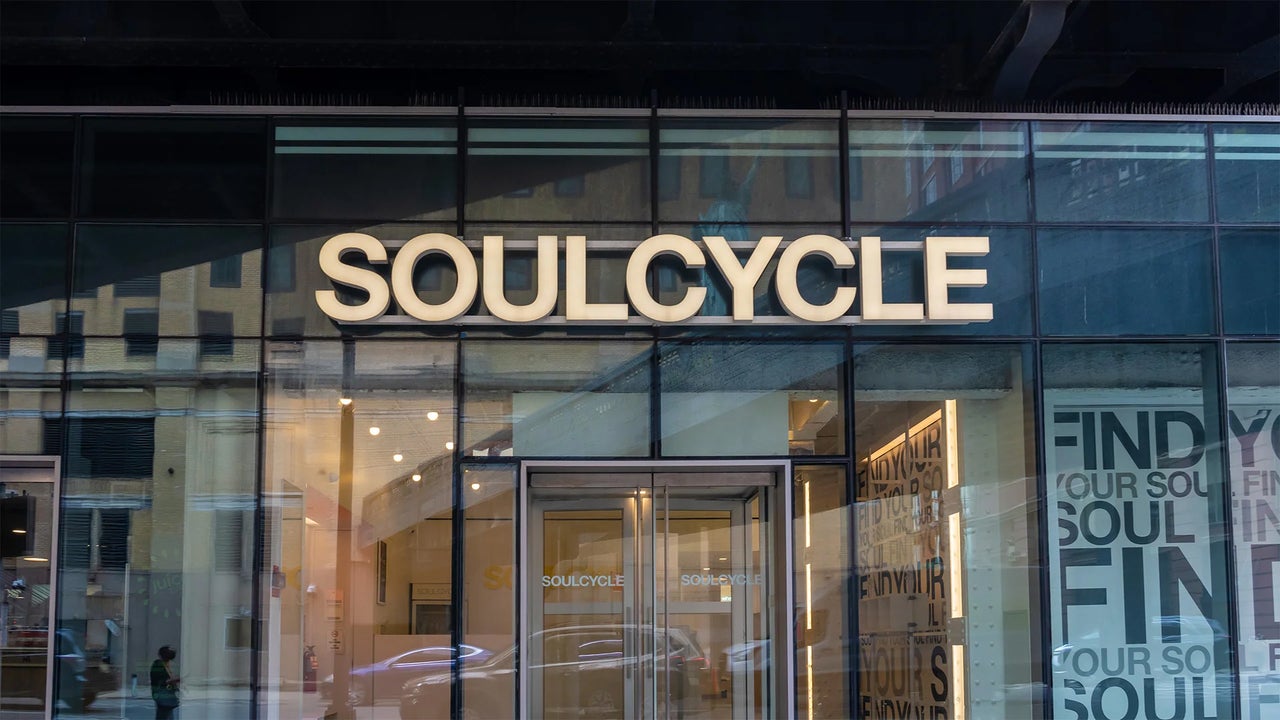
FastCompany: I used to schlep from my office to a 6:30 p.m. Soul Survivor class, shower, and make dinner by 8 p.m. Every week. The waiting lists were insane. The bike you got mattered. Thirty-four dollars for a cycling class and nobody blinked. That wasn’t about fitness. SoulCycle was always about selling a version of yourself back to you, one you could embody if you worked hard enough. The brand said as much itself. Its tagline was never about the workout : “Take your journey. Change your body. Find your soul.” That’s a self-transformation pitch with a bike attached to it.
When SoulCycle finally launched its first real ad campaign in 2017, the CEO made the strategy explicit. As Melanie Whelan told Marketing Daily , the “Find It” campaign was meant to help riders “discover something, the thing that makes it meaningful to them”—whether that was strength, purpose, or clarity. The class was just where it happened. Julie Rice , who cofounded the company, put it more bluntly years later: “People didn’t come to SoulCycle because they got fit.
It was the connection they got in the room.” A researcher at Harvard Divinity School who studied the brand found something stranger still—people were bringing questions to their SoulCycle instructors that they used to bring to pastors. SoulCycle was less a fitness brand and more a belief system with a clip-in shoe requirement. Which is exactly why the loyalty was so volatile. In 2019, SoulCycle’s owner hosted a fundraiser for Donald Trump. Riders who’d built an identity around the brand’s message of inclusion didn’t just complain; they left. Weekly attendance dropped 7.5% within a week. The brand lost nearly 13% of its U.S.
customer base the following month. Not because the workout changed. Because the story the brand told about itself stopped matching what its customers believed about themselves. That’s the part most marketers miss when they talk about brand loyalty. It isn’t really loyalty to the product. It’s loyalty to the self-image the product lets you hold on to. The moment the brand’s actions contradict that self-image, even slightly, the relationship doesn’t bend. It breaks. Peloton gets blamed for SoulCycle’s decline. So does the pandemic. So does the shift toward Pilates, and the numbers back that one up.
Pilates participation grew nearly 40% over the past five years, while cycling fitness dropped 33.5% in the same window, according to TheStreet’s coverage of SoulCycle’s recent outlet closures. That’s a real shift in what people want from a workout. But it doesn’t explain why a brand with a decade of devotion lost so much of it in a matter of weeks, years before any studio closures made headlines. Markets shift slowly; identity collapses fast. SoulCycle didn’t lose riders because people stopped wanting connection or stopped wanting to feel like the strongest version of themselves.
It lost riders because, for a moment, its own behavior made that story impossible to believe. The Pilates numbers and the Peloton competition came later. The real fracture happened the moment the brand stopped being trustworthy to the people who’d built their identity around it. That’s the risk every identity-driven brand carries, whether they realize it or not. The loyalty is real. So is the exposure. —By Emily Cody The opinions expressed here by Inc.com columnists are their own, not those of Inc.com. Get 1 Smart Business Story delivered straight to your inbox when you subscribe to Inc. ’s free daily newsletter.
Article truncated for readability. Read the full piece →
The article discusses a significant shift in brand loyalty for a well-known fitness brand, emphasizing the importance of authenticity in branding, which is highly relevant for brand strategy professionals.