Score
‘We are very nerdy’: An exclusive interview with Ikea’s top designer
Ikea's design strategy is evolving to focus on circularity and emotional responses, prioritizing material choices that align with their vision of 'democratic design.' As they prepare for future product launches, the emphasis is on creating high-quality, affordable items that foster optimism and human interaction, while also being mindful of sustainability and efficiency in production.
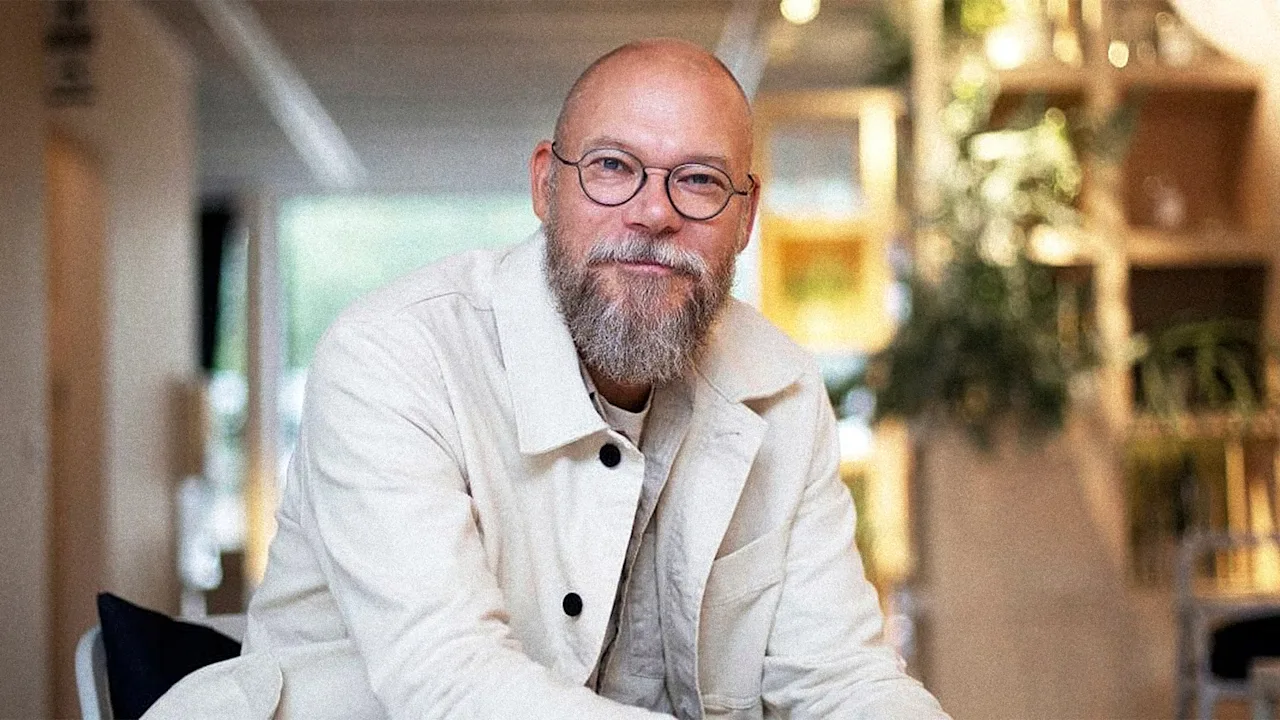
FastCompany: Ikea design manager Johan Ejdemo is looking years into the future. A towering Swede with a six-inch beard, Ejdemo is a trained cabinetmaker who has nearly 30 years of experience at Ikea. Since 2022 he’s been the company’s design head, leading a team of 20 in-house designers in Sweden and a roster of freelancers from around the world. Together they give shape to the 1,500 to 2,000 new products Ikea releases every year. Most have been brewing in the company’s design department for several years, if not more than a decade.
I recently met with Ejdemo at Ikea’s headquarters in Älmhult, Sweden, the city a two-hour train ride from Copenhagen where the company was founded in the 1940s. Before leading me on an exclusive tour of the company’s prototyping shop—the first tour Ikea has ever granted to a journalist—we sat down to talk about what’s guiding the brand’s design approach in 2026. As he looks to shape what products Ikea stores will be selling years down the line, he says the focus isn’t so much on individual items or areas of the home, but rather on things like material choices and emotional responses.
It’s all in service of what Ikea refers to as democratic design , or high quality products that have been so precisely optimized and scaled that they hit the lowest possible price point. Achieving that ideal, Ejdemo argues, is the real work of Ikea’s designers. “We are very nerdy,” he says. “We go very deep in the details.” This interview was edited and condensed for clarity. Fast Company: How is design changing for Ikea in 2026, and what are the things that are driving those changes? Ejdemo: One thing that we are considering a lot in design today is circularity . And it sits in the complete value-chain perspective.
That is the thing that is dramatically new in the context of designing products. What types of products are you prioritizing? The desire for optimism, playfulness, and human interaction is very close to us today in designing and developing products. That’s very evident in some of the launches and collection drops that we have done recently, and they will be even more evident into the future. But it’s not only about silliness and playfulness and color. It could be in natural materials and warmth. There are many dimensions to this. Are there specific types of products or parts of the home that you find yourself focusing on today?
No, but there’s always a challenge when there’s a desire for certain products that are big and bulky. Those are always challenging areas for us because things have to be transported and it costs a lot to transport them, and also they can consume a lot of material if you’re not thinking through them smartly. A lot is connected to the comfort of mattresses and sofas, but I think we are ahead of the game there. We’re very good in building premium comfort in our products in a very material-efficient way—reducing the use of foam and still achieving even better comfort than when these products were very foam-dependent.
And on wardrobes, for example, we just recently launched a new kind of easy assembly so we aren’t putting it in the hands of the consumer to do all the work. It’s making it easy for the consumer and at the same time makes production more efficient. Those wardrobes are made out of particle board, but there’s more density in the areas where you drill holes for shelves, less density where you don’t it. So even there, we are very nerdy. We go very deep in the details of where we can save material. It’s like, here we need extra and we don’t have it where it doesn’t make sense. We’re distributing value and cost within the product.
Article truncated for readability. Read the full piece →
The article discusses Ikea's significant shift in design strategy towards sustainability and emotional engagement, which is highly relevant and impactful for the brand/design industry, particularly for professionals focused on sustainable practices.