Score
Blue Bottle’s new drinks are taking the espresso machine out of iced espresso
Blue Bottle Coffee's introduction of Kyoto-style espresso marks a significant shift in its brand strategy, focusing on enhancing the iced coffee experience by eliminating the traditional espresso machine from the process. This innovation not only streamlines operations but also aligns with the growing consumer preference for cold beverages, positioning Blue Bottle as a leader in the evolving coffee landscape.
FastCompany: Blue Bottle Coffee, the coffee chain, has long been known for its cold drinks—particularly its New Orleans-style iced coffee cold brewed with chicory root. But while cold brewing in this traditional way has more or less been perfected, the need to pull hot shots of espresso has remained a damper on iced lattes everywhere. Now, though, Blue Bottle’s CEO, Karl Strovink, tells Fast Company , “We’ve cracked the code on cold espresso.” The chain—owned by Beijing-based Centurium Capital, majority shareholder in Luckin Coffee—is rolling out its Kyoto-style espresso.
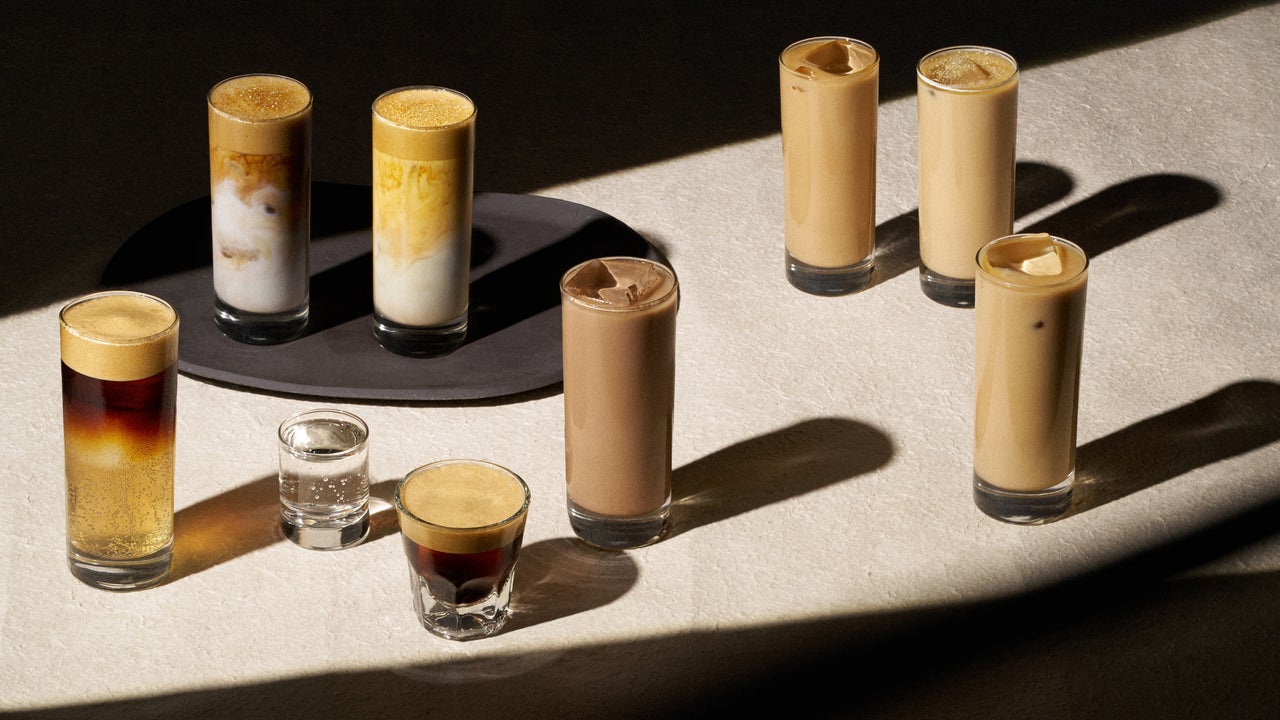
This cold-extracted espresso will be featured in new menu items and all of its cold espresso drinks from now on. [Photo: Blue Bottle] The new slate of eight iced espresso-based drinks is designed to bring Blue Bottle customers a more balanced, coffee-forward iced experience at a time when cold drinks are becoming more popular than hot ones. It could also transform how Blue Bottle’s stores operate, removing a café’s biggest bottleneck—the espresso machine—from the process of making cold drinks while retaining great taste. “Cold is the new hot in the coffee industry,” Strovink tells Fast Company .
“Up until now, specialty coffee hasn’t had cold as a protagonist.” [Photo: Blue Bottle] No heat, no problems The biggest benefit of the Kyoto-style drinks is that, unlike espresso pulled hot from a machine, they won’t get diluted by melting ice. That gives the chain an opportunity to highlight the cold-extracted espresso on its own. The new Shakerato—a shot of the Kyoto-style shaken with ice to create some foam—is the cornerstone of Blue Bottle’s menu additions. “We’re quietly resolving one of the biggest conflicts in cold espresso-based beverages,” Strovink says.
“Hot-drawn espresso over ice produces an inferior product that doesn’t allow the coffee to fully express itself.” Hot espresso is not designed to be poured over ice. So it makes one wonder, as iced drinks skyrocket in popularity, why there hasn’t been a more common way of developing these drinks aside from adopting cold brew. “Up front, hot espresso makes them smoky and bitter. It finishes ashy and not very clean,” Kevin Thaxton, Blue Bottle’s director of global product development, tells Fast Company . “The coffee and the milk flavors are not really integrated.” That’s where the chain’s new Iced Caffe Lattes and Espresso Tonics come in.
They’re all designed to balance ice, milk, and syrup to create a balanced profile, rather than an acrid combination of milk and hot espresso. [Photo: Blue Bottle] A drink best served cold A lot of the research on Kyoto-style espresso started when Blue Bottle developed its packaged instant coffee, which gave a sense of what cold-extracted, high concentration tastes like, but would be hard to produce in a café setting.
Over the past several years, the company developed Kyoto-style espresso to be brewed using Blue Bottle’s Hayes Valley Espresso in a separate machine with cold water and finely ground espresso beans, which act as a filter as the water moves through. Without pressure, it takes about an hour to brew. It’s made in large batches at each store so it’s available to customers right as they order. “Originally we were trying to design this to make the best iced latte,” Thaxton says. “Then we scrapped that and started from zero.
Article truncated for readability. Read the full piece →
Blue Bottle's innovative approach to iced espresso reflects a significant shift in brand strategy that could influence industry practices, making it highly relevant to brand strategy professionals.