Score
We have a love-hate relationship with technology, and that’s never going to change
The article highlights how emerging technologies, such as Amazon's drone delivery, often face mixed reactions from consumers, which can significantly impact brand strategy. Brands must navigate this divisiveness by actively engaging with critics and adapting their offerings based on consumer feedback, as even negative conversations can enhance visibility and drive innovation.
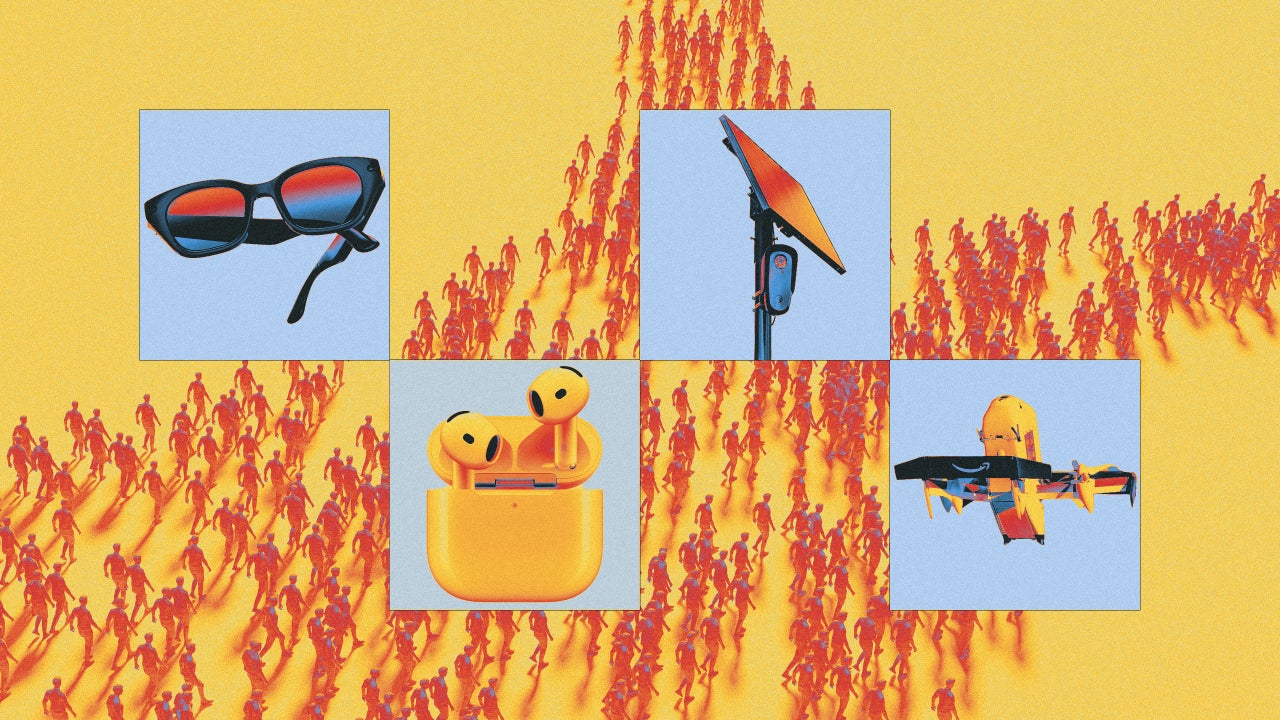
FastCompany: Well over a decade after first teasing the idea of making home deliveries via drone, Amazon is now actively testing the concept in a Dallas suburb and elsewhere. Reports suggest the reaction is, well, mixed. Yes, some customers seem delighted. But other residents complain the drones are loud, annoying, and creepy. “Having all these drones flying around is actually a big, big problem,” the president of a homeowners association in an affected neighborhood told The New York Times . This should be no surprise: Technology innovation has long met with mixed responses. But lately, tech is sparking a lot of flat-out divisiveness.
Aside from delivery drones, Meta’s smartglasses (or “pervert glasses,” as critics call them) and Flock license-plate readers are among the tech products that have inspired heated opposition, sometimes taking the form of physical destruction . And of course arguments over the pros and cons of AI —from pushback on data centers to alarm over its effect on education and human creativity, among other issues—have dominated cultural discourse for a couple of years now. Every innovation has critics, skeptics, and outright opponents.
And in some ways, the entire internet era has been one long debate about digital innovations and their potential repercussions. Once upon a time, for instance, Apple AirPods were controversial. Unveiled in 2016, they forced a shift from wired headphones that nobody asked for, cost an absurd $160, and looked ridiculous. But evidently, most of us got over that, as Bluetooth headphones are now routine. Similarly, the initial iPod was mocked by some as an overpriced indulgence from a company that had lost its way; it became a hit product that paved the way for the world-changing iPhone.
Arguably every cutting-edge technology must overcome initial resistance. That’s certainly the inference from the famous “Innovation-Adoption Curve” chart drawn from Ohio State University professor Everett Rogers’s 1962 book Diffusion of Innovations . This is where we find the now-familiar idea of “early adopters” as, basically, the first people to buy AirPods (or Meta glasses, or drone delivery service) and tell everybody how great they are. Traditionally, non-buyers of AirPods (or whatever) enter the story as grumpy change resisters serving as a foil to early adopters.
Treated as recalcitrant followers, these “laggards” belatedly adopt this or that innovation only when they become embarrassed by being behind the times. We may well look back on today’s controversial innovations as playing out these patterns yet again, but what feels different about the current wave of divisive innovation is that the skeptics are strikingly vocal. There probably weren’t a lot of city council meetings, let alone congressional hearings, about the iPod’s effect on neighborhood quality of life or the blurring of public and private space.
In other words, what makes the current wave of divisive tech notable is that some percentage of consumers in the early adopter phase seems to be not so much passively lagging as looking to actively argue. A key element of the diffusion of innovation theory is how conversation spreads new ideas across the culture much more effectively than any top-down method. And what the current moment of divisive tech is teaching us is that even negative chatter can help pinpoint fixable weaknesses.
Article truncated for readability. Read the full piece →
The article discusses the significant implications of consumer reactions to emerging technologies on brand strategy, making it impactful and relevant, though the theme of love-hate relationships with technology is not entirely new.
Weekly digest
Get the Signal digest
Every Monday morning — the top 3 brand trends, 10 high-signal articles, and one emerging signal to watch.
No spam. Unsubscribe anytime.