Score
Dave Evans Of Fictiv On The Future Of Robotics Over The Next Few Years
The future of robotics is poised to revolutionize manufacturing by addressing labor shortages and enhancing production efficiency. Companies like Fictiv and MISUMI are leading the charge by leveraging AI and automation to streamline processes, which is essential for brands aiming to maintain quality and speed in a competitive landscape.
Authority Magazine: Dave Evans Of Fictiv On The Future Of Robotics Over The Next Few Years -- Listen Share In the high-stakes world of HardTech, the winner isn’t the one with the best idea, but the one who can manufacture that idea at a global scale without compromising on quality. In the high-stakes world of HardTech, the winner isn’t the one with the best idea, but the one who can manufacture that idea at a global scale without compromising on quality. With the shortage of labor, companies are now looking at how robots can replace some of the lost labor force. See here for example.
The truth is this is not really a novel idea, as companies like Amazon have been using robots for a while now. What can we expect to see in the robotics industry over the next few years? How will robots be used? What kinds of robots are being produced? To what extent can robots help address the shortage of labor?
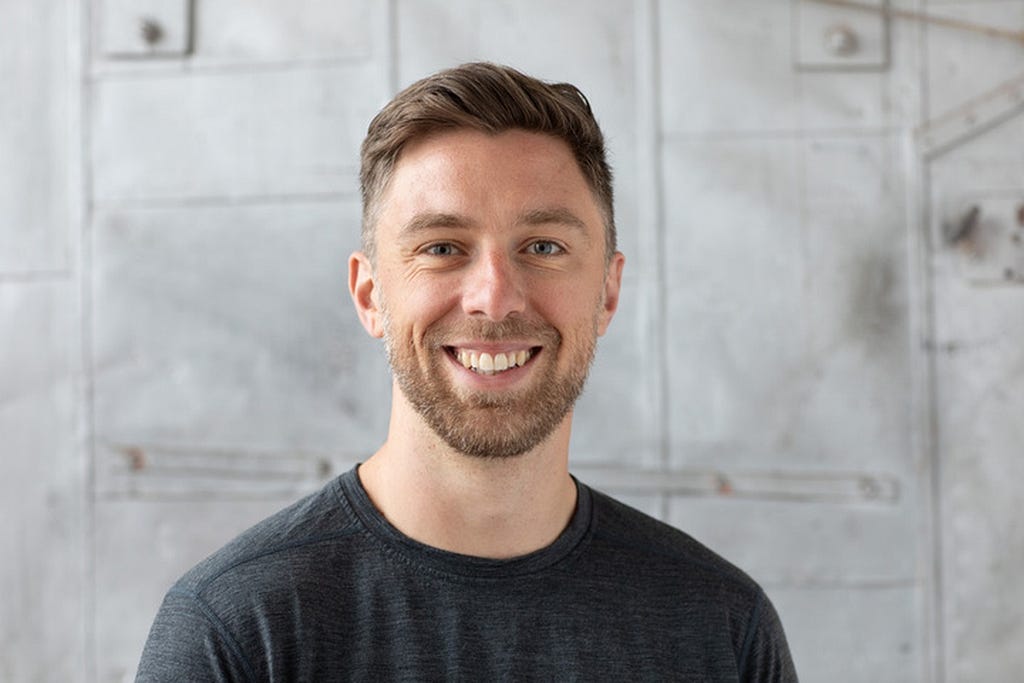
Which jobs can robots replace, and which jobs need humans? As a part of this series, we had the pleasure to interview Dave Evans. Dave Evans is CEO MISUMI Americas, which together provide standard parts, configurable components, and custom manufacturing solutions serving robotics, medical, automotive, electronics, aerospace, and industrial equipment markets. Dave is a regular contributor for Fast Company and Forbes, has been featured on NBC News, Nasdaq, TechCrunch, and Discovery, and was named to Forbes 30 Under 30 list. Dave was the first hire at Ford’s Silicon Valley Innovation Lab and graduated from Stanford University with a B.S.
in Mechanical Engineering. Dave is a hands-on dad of three, husband, builder, and creator. Thank you so much for joining us in this interview series! Before we dive in, our readers would love to “get to know you” a bit better. Can you tell us a bit about your ‘backstory’ and how you got started in robotics? I’ve always been an engineer at heart, a passion that arguably began at age four when I proudly “fixed” my mom’s car with a hammer, leaving thirty dents in the side of our red Suburban. This early drive to build things eventually led me to Stanford to study mechanical engineering and then to Ford’s Silicon Valley Innovation Lab.
It was there that I experienced the complexity and often slow timelines of traditional manufacturing, where a single prototype part could take up to twelve weeks to arrive. These bottlenecks sparked a question I couldn’t shake: What if we could build hardware at the speed of software? This mission to accelerate hardware innovation is what led my brother Nate and me to co-found Fictiv in 2013. We moved beyond simple prototyping to solve deep supply chain challenges, eventually finding a “sweet spot” in high-mix, low-volume production. Now, with MISUMI Americas, that journey has brought me directly into the vanguard of the robotics industry.
By leveraging AI and global operations to shrink production timelines from weeks to days, we are now helping innovators unlock the creative potential of the next generation of hardware, including the development of advanced humanoids. Can you share the most interesting story that happened to you since you began your career? One of my absolute favorite projects from over a decade ago is Fictiv’s Open Source Motorcycle (FOSMC). It was a true passion project designed to prove that anyone could build a high-performance machine right in their garage.
Article truncated for readability. Read the full piece →
The article discusses significant advancements in robotics that could greatly influence manufacturing strategies, making it relevant for brand strategy professionals, though the concepts of AI and automation are becoming more common in discussions.