Score
How Luka Dončić of the L.A. Lakers made himself the MVP of personal branding
Luka Dončić's launch of 77X represents a significant shift in personal branding for athletes, emphasizing direct engagement with fans through a self-owned platform that merges content, commerce, and community. This approach allows Dončić to create a unique universe that reflects his personality and interests, fostering a deeper connection with his audience and redefining the traditional athlete-brand relationship.
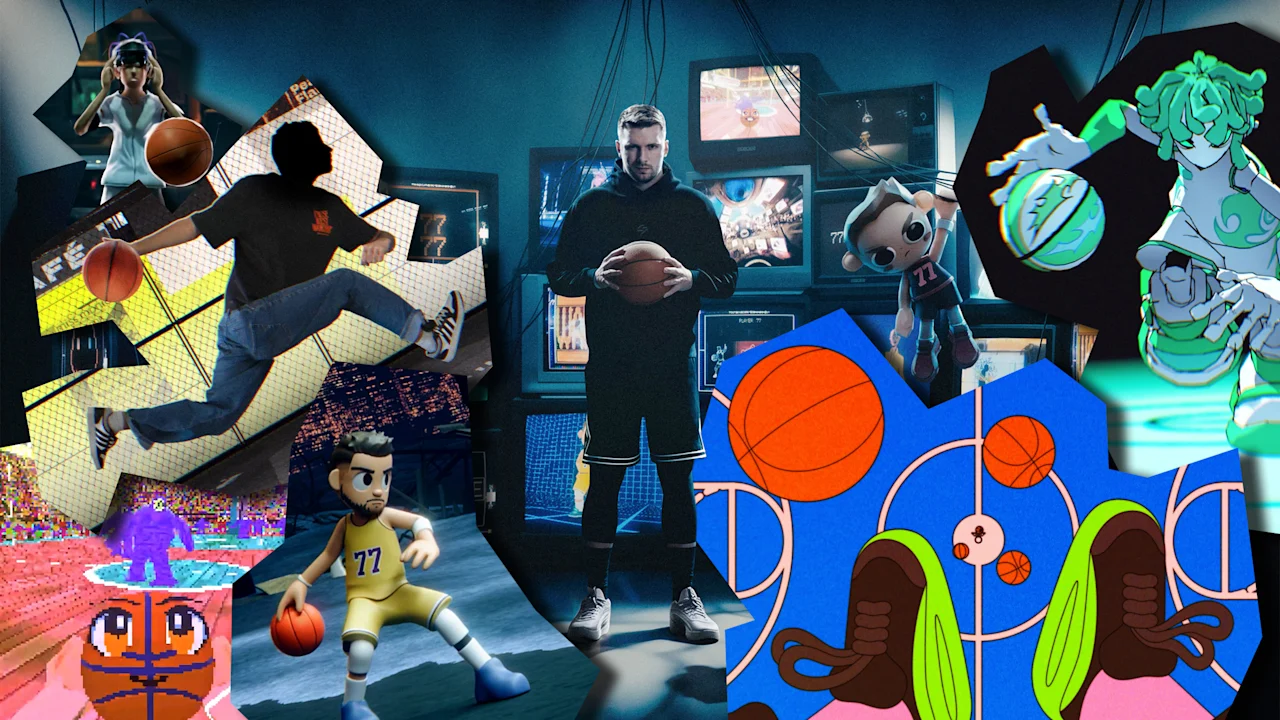
FastCompany: As I walked into a Sunset Boulevard venue this past February, Luka Dončić’s face greeted me, flashing across a wall of old-school televisions. The TV screens flickered between a surreal reel of images: Dončić’s mug, a NTSC rainbow effect, a Valentine sweetheart candy image with the words “too small,” and a graphic with the words “Lil Luka’s Heartbreak Factory: Level 1.” For the uninitiated, this scene probably makes no sense. But for superfans of Dončić, star player of the Los Angeles Lakers, the messages are like a secret code to a new kind of fandom.
Luka Dončić at Lil’ Luka’s Heartbreak Factory [Photo: 77X] In February, Dončić celebrated the launch of his new direct-to-fans media company, 77X, by transforming a venue into his own personal brand playground. Dončić’s team built out a space around his personal aesthetic—think: old school video games—that featured a basketball court, candy shop, flower stand, photo booth, and a gift shop adorned with “Lil’ Luka,” Dončić’s alter ego. This three-day activation was Dončić’s first proof of concept for 77X, which he is using to push his NBA brand beyond merchandise drops and brand sponsors.
For Dončić, 77X is an opportunity to create a completely self-owned platform that can serve as a universe for his fandom by merging content, commerce, and community under his own banner. Fan posing with Lil’ Luka statue outside Lil’ Luka’s Heartbreak Factory, 77X’s first immersive fan experience, during NBA All-Star weekend in Los Angeles. [Photo: 77X] “I want to feel like I connect with the fans, bring them out here so they can help me build this and show them what I like so they get to know me better,” Dončić tells Fast Company .
In this current moment across basketball, elite athletes are renegotiating their standing with leagues and brand sponsors. Boston Celtics star Jaylen Brown launched 741, his independent sneaker brand, and Golden State Warriors star Steph Curry ended his 13-year relationship with Under Armour to operate his Curry brand independently. These athletes know that the future of fandom is direct connection that can’t be mediated through third-party brand deals. “The traditional athlete model is super fragmented,” says Lara Beth Seager, chief brand officer and business manager for Dončić and 77X CEO.
Traditionally, content, merchandise, collectibles, and community are split across different stakeholders. Since most of these pillars are controlled by leagues, brand partners, social platforms or retail partners, athletes typically don’t own the relationship with their fan base. In partnership with Shopify, 77X offers a central place for Dončić’s fandom. “[In this] new world of . . .
people loving athletes more than they love the teams and the franchises, which was the traditional model, Luka has really found a way for him to get closer to the fans and for them to participate more fully in his life,” says Jessica Williams, head of global brand marketing and partnerships at Shopify. [Photo: 77X] This phenomenon is reflective of how Dončić’s youngest fans, who are between 13 and 25 years old, want to engage. “Fans today don’t just want to be passive,” says Seager. “They want to be active, they want to consume, and they want to live inside worlds.” “Fans today don’t just want to be passive,” says Seager.
Article truncated for readability. Read the full piece →
Luka Dončić's innovative approach to personal branding through 77X represents a significant evolution in how athletes engage with fans, making it highly impactful and relevant for brand strategy professionals.
Weekly digest
Get the Signal digest
Every Monday morning — the top 3 brand trends, 10 high-signal articles, and one emerging signal to watch.
No spam. Unsubscribe anytime.