Score
Meet the children’s literature startup that wants to unseat Scholastic as the king of the book fair
Literati, a children's literature startup, is challenging Scholastic's long-standing dominance in the book fair market by transforming the traditional book fair experience into an immersive and personalized event. By leveraging data and technology, Literati aims to create a more engaging and high-quality selection of books, while also enhancing fundraising opportunities for schools, positioning itself as a credible alternative in the industry.
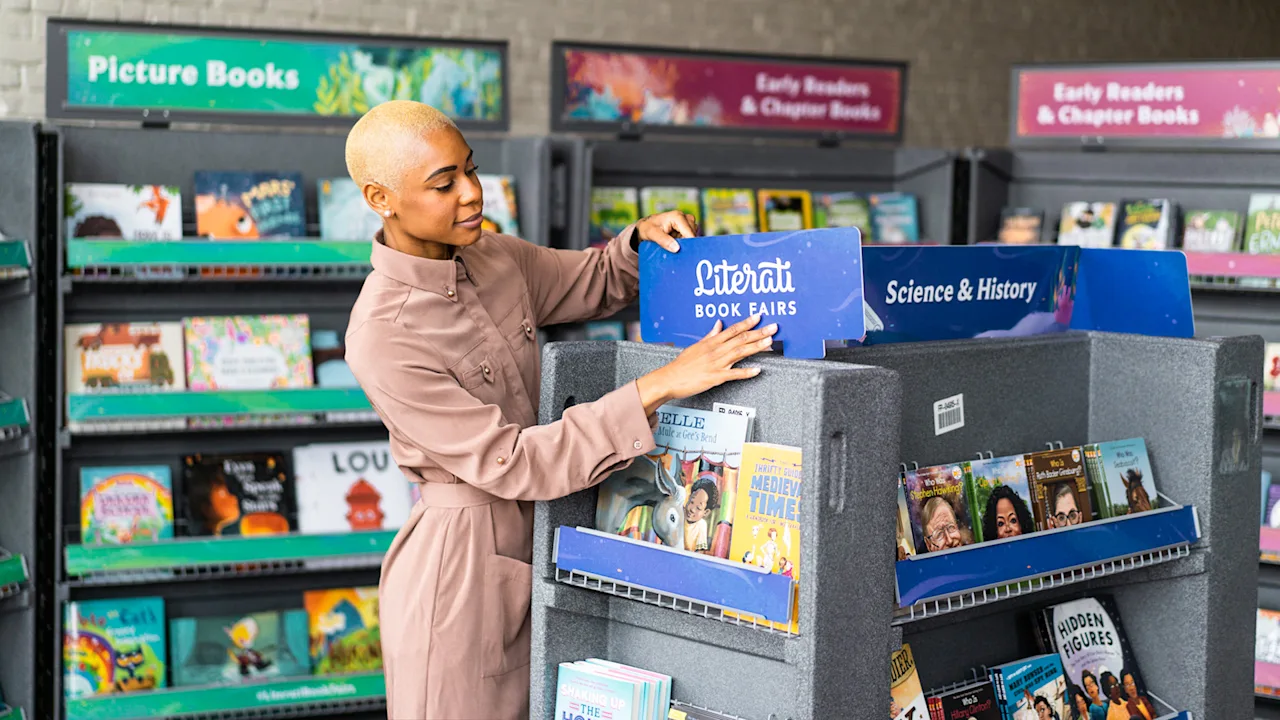
FastCompany: Imagine walking into your elementary school library and finding it transformed overnight into a forest at dusk. Mossy green canopies arch over the bookshelves. Glowing mushrooms create a path between display cases. Twinkle lights flicker through the leaves like fireflies. This is the Everglow Forest, one of the recent book fair themes produced by Literati, a startup that currently runs about 4,000 book fairs a year. At some schools, librarians and PTA volunteers build it out into something approaching an art installation, creating a hand-crafted world that children want to wander through for hours.
Jessica Ewing [Photo: Wikipedia ] For a seven-year-old, clutching a crumpled twenty-dollar bill, the message is that books are magical and worth celebrating. “I view kid’s books as an art form,” says Jessica Ewing, Literati’s founder and CEO. “I want to make sure that we’re giving these books the treatment they deserve.” Ewing left a job at Google to launch Literati a decade ago. While hundreds of thousands of children’s books are published every year, Ewing realized many parents struggled to find high-quality books tailored to their child’s interests. Literati uses data to pair a child with the right books.
It first applied this approach to subscription boxes, but three years ago, it expanded into book fairs, quickly becoming the biggest competitor to the Scholastic Book Fair. Last month, Literati was acquired for an undisclosed amount by Trustbridge, a private equity firm that owns many children’s book publishers, including Candlewick and Holiday House. With this infusion of capital, Ewing wants to grow the book fairs by expanding from the Midwest and South, into the Northeast and the Pacific Northwest. “The book fair is an experience that 33 million kids get every year,” says Ewing.
“It’s such a cultural institution that no one had really taken an interest in changing it, so there hasn’t been meaningful competition in decades.” Ewing is betting that the kids—and their librarians—are ready for something different. And after a decade of building toward this moment, she finally has the resources to deliver it. [Photo: Literati] Stitch Fix for Storybooks To understand how Literati ended up here—going toe-to-toe with the Goliath that has dominated the school book fair since most of us were in elementary school ourselves—you have to go back a decade.
Ewing has always believed that pairing a child with a book they love could be a transformative experience, spurring a lifelong love of reading. From her career in tech, she had a sense that algorithms could help with this process. After all, we live in an age when Netflix, Spotify, and Stitch Fix use technology to help consumers find the next movie, song, or outfit they will love. Her original vision was to create a curated monthly subscription box, personalized to the child’s age, reading level, and tastes. She brought on a head of data science from Stitch Fix, and raised more than $100 million in venture capital.
“We built a tremendous amount of tech and data science to be able to personalize the box to every child,” Ewing says. “We were building tech to make a very analog experience more magical.” But as the subscription business was growing, Ewing realized it was possible to bring Literati’s expertise to book fairs, which haven’t changed much over the years. [Photo: Literati] Rebuilding the Book Fair From the Shelf Up As she gathered intel about Scholastic Book Fairs, she discovered that many librarians and volunteers found it laborious to set up the tables and books.
Article truncated for readability. Read the full piece →
This article highlights a significant challenge to a major player in the children's literature market, showcasing innovative strategies that could influence brand and marketing practices in the industry.