Score
Figma AI Agents Now Write Directly to the Design Canvas
Figma's introduction of AI agents that can write directly to the design canvas marks a significant evolution in design system strategy. This advancement emphasizes the need for teams to maintain clean, well-structured design systems, as the quality of these systems directly impacts the output of AI agents, shifting the focus from human documentation to agent usability.
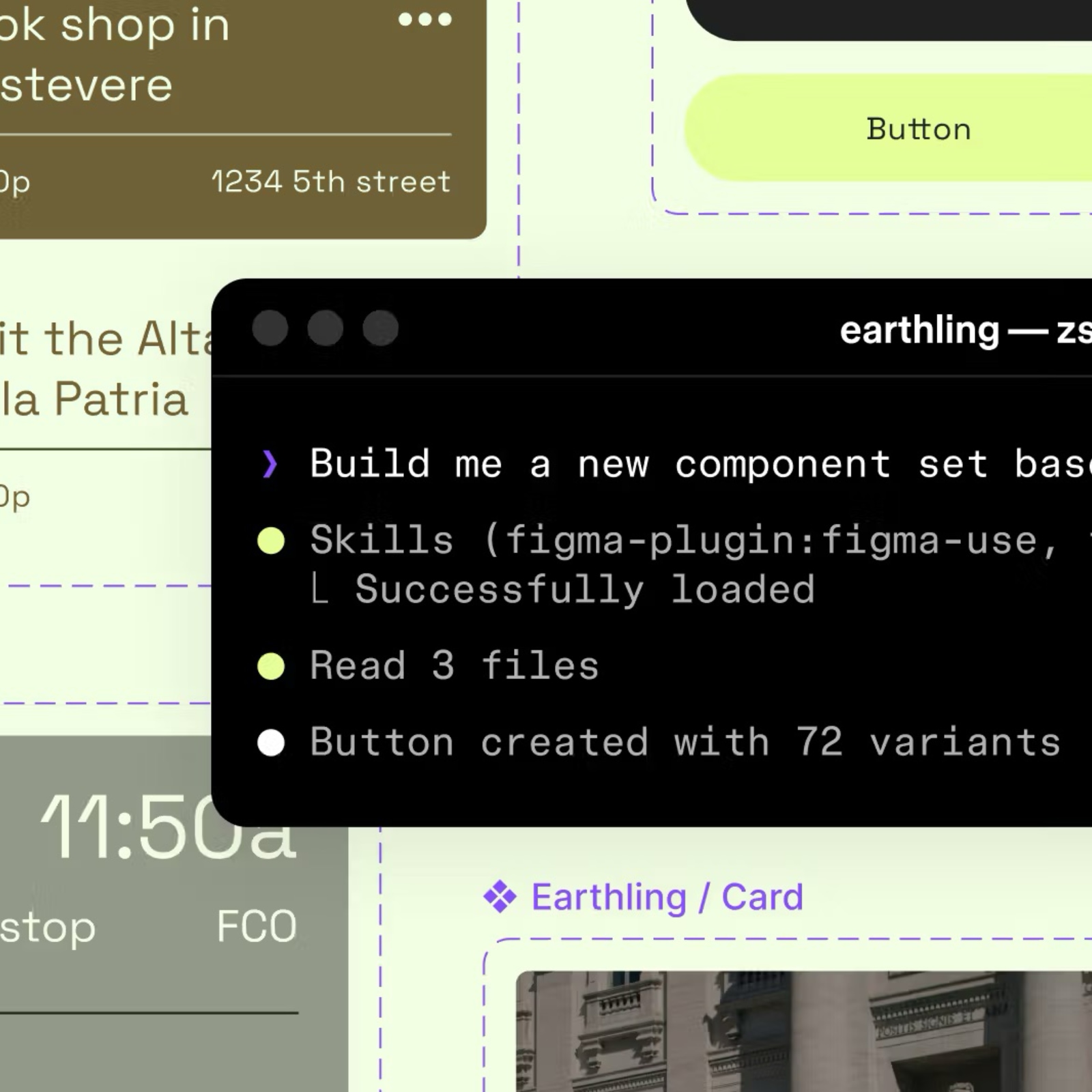
Abduzeedo: Figma AI Agents Now Write Directly to the Design Canvas jeff March 24, 2026 Figma AI agents can now write directly to the design canvas. Skills teach Claude Code and Cursor your system, turning components into agent-ready assets. On March 24, 2026, Figma announced that the canvas is now open to agents. The use_figma MCP tool gives coding agents like Claude Code, Codex, Cursor, Copilot CLI, Augment, Factory, Firebender, and Warp direct write access to Figma design files. That means frames, components, variables, auto layout, and design tokens all wired to your existing design system. No more copying specs between tools.
The bigger shift is the Skills framework. Skills are markdown files that teach Figma AI agents how your team works. They define which components to reach for, how to sequence actions, and what conventions to follow. Nine community-built skills launched with the feature, including /figma-generate-design, /apply-design-system, and /sync-figma-token. Teams can write their own. An agent given a well-written skill file behaves like a new designer who has read every page of your component documentation. Why Figma AI Agents Change Design System Thinking Design systems have always been written for humans.
Naming conventions, usage notes, documentation: all crafted for designers reading in Figma or a browser. With Figma AI agents reading those files directly, the quality of your system now affects the quality of agent output. Messy component names and inconsistent token structure produce poor results. Clean, well-annotated systems produce work closer to production-ready on the first pass. The feature works alongside the existing generate_figma_design tool, which converts live HTML into editable Figma layers. Together, Figma AI agents can maintain code-design sync, generate accessible annotations, and create screen variants at scale.
Figma is making all of this available free during beta, with usage-based pricing to follow. The real question for every design team is no longer how to document their system for humans. It is whether their system is structured well enough for agents to use it.
The introduction of AI agents in design tools like Figma represents a significant shift in design workflows, making it highly impactful and relevant for brand strategy professionals, while also being a novel approach in the industry.
Weekly digest
Get the Signal digest
Every Monday morning — the top 3 brand trends, 10 high-signal articles, and one emerging signal to watch.
No spam. Unsubscribe anytime.