Score
Are the bees still dying? The scary truth behind the continuing ‘beepocalypse’
The ongoing crisis of honeybee populations highlights the need for a strategic approach to support both managed and wild pollinators. Brands involved in agriculture and food production must consider sustainable practices and environmental impact in their operations, as the economic viability of beekeeping is increasingly threatened by high colony losses and environmental pressures.
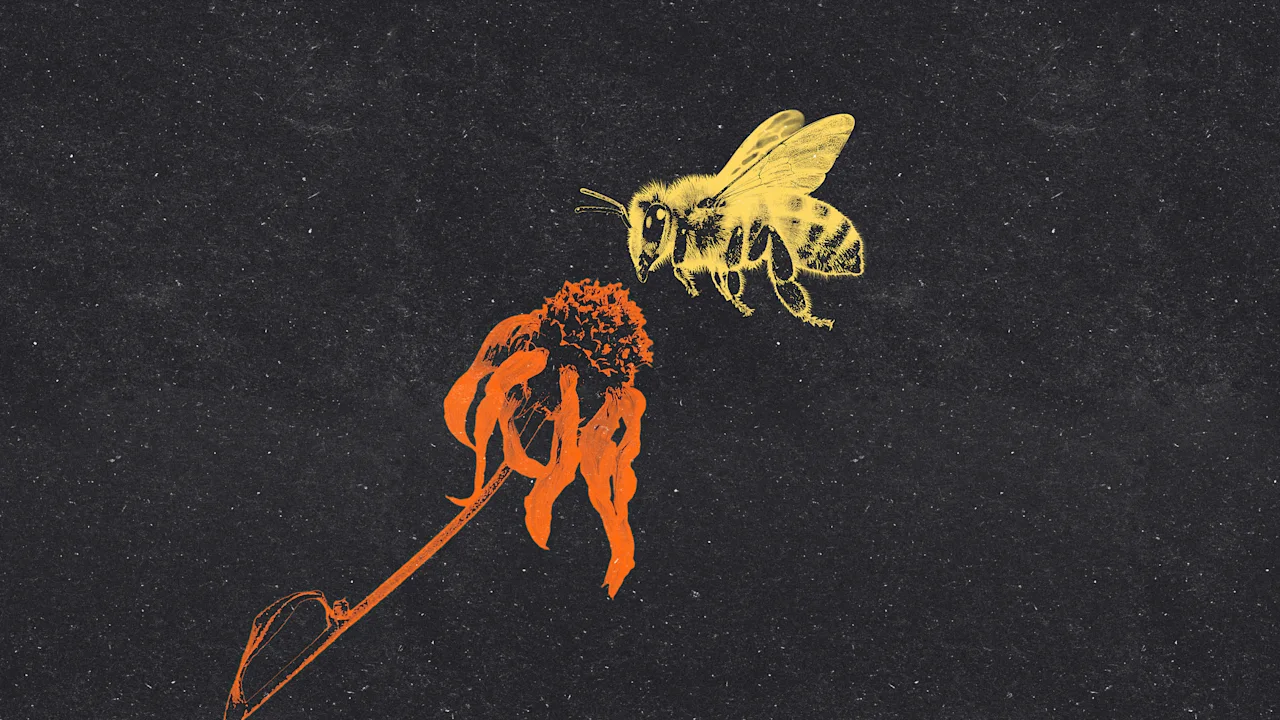
FastCompany: Twenty years ago, honeybees first started to disappear in mysteriously large numbers. Stories in the media were everywhere , as were solutions to try to save the bees . But today, you hear less about the crisis. Has it simply been drowned out by the constant hum of breaking world news, or is the bee crisis over? There are some people who argue that we have “saved” the bees , while others say honeybees never needed saving in the first place. In truth, the problem hasn’t gone away. “Our losses have been getting higher and higher over the last few years,” says Zac Browning, a fourth-generation beekeeper from North Dakota.
This winter, he lost more than half of his bees. Nationwide, commercial beekeepers lost an average of 62% of their colonies last winter. Honeybees may not need saving from extinction. But commercial beekeeping may one day no longer be economically sustainable—and the same environmental pressures facing managed bees are also pushing wild pollinators toward collapse. The situation isn’t quite the same as it was in 2006, when beekeepers started reporting a strange new phenomenon: Adult bees were suddenly disappearing from their hives. That became known as colony collapse disorder .
That specific scenario is rarer now, but scores of bees have been dying off every winter since then. “We’re still seeing unsustainable losses,” says Christina Grozinger, an entomology professor at Penn State University. Over the last two decades, beekeepers have often lost up to 30% to 40% of their colonies over the winter, and that’s “very difficult for beekeepers to manage,” she says. As previously mentioned, honeybees aren’t likely to go extinct. Beekeepers can manage their populations by “splitting” a hive to produce more bees, or by purchasing more bees when there’s a large loss. But it’s hard to keep going.
“Generally, when you lose 50% of your hives, it’s a sign that the operation is weak,” Browning says. “It’s suffering from some sort of disease or other malady. And so that’s not a recipe for having healthy bees that split well. From an economic perspective, it’s absolutely not sustainable for a beekeeping operation to lose more than 25% of its hives in one year.” With inflation, and the interest on money borrowed to repeatedly rebuild hives, “everything compounds,” he says. “The general economic viability of the industry, and certainly the operation, is less and less.
You see operations failing if they have more than 25% losses year over year. You can certainly rebuild, but you can’t sustain rebuilding every year.” If beekeepers lose too many bees, it also makes it challenging to provide pollination services. At an almond orchard, for example, insurance companies require two hives per acre to make sure that trees are fully pollinated. (California’s almond crop uses an estimated 1.7 million hives, with 80 billion bees.) Beekeepering companies have been forced to partner with others to meet the obligations in their contracts.
Browning says that’s why, so far, farmers are still able to produce crops that rely on honeybees for pollination, from almonds to blueberries. The question isn’t whether honeybees will disappear, but whether the business model that supports them can survive. For wild pollinators that don’t have support from human managers, the situation is more complex. A recent Washington Post article argued that we’ve been worrying about honeybees when we should have been worrying about wild bees. All bees are dealing with a reduction in habitat and less access to the flowers they need to survive, along with more exposure to pesticides.
Article truncated for readability. Read the full piece →
The article addresses a significant environmental issue that directly affects brands in agriculture and food production, making it highly relevant and impactful for brand strategy professionals, though the topic of sustainability is not entirely new.
Weekly digest
Get the Signal digest
Every Monday morning — the top 3 brand trends, 10 high-signal articles, and one emerging signal to watch.
No spam. Unsubscribe anytime.