Score
Engineers redesigned the recipe to make it easier to follow
The article highlights a revolutionary approach to recipe design pioneered by Michael Chu, which utilizes a nested table format to simplify the cooking process. This innovation not only enhances user experience by making recipes easier to follow but also serves as a reminder of the importance of clarity and functionality in design, which can be applied to broader brand strategies.
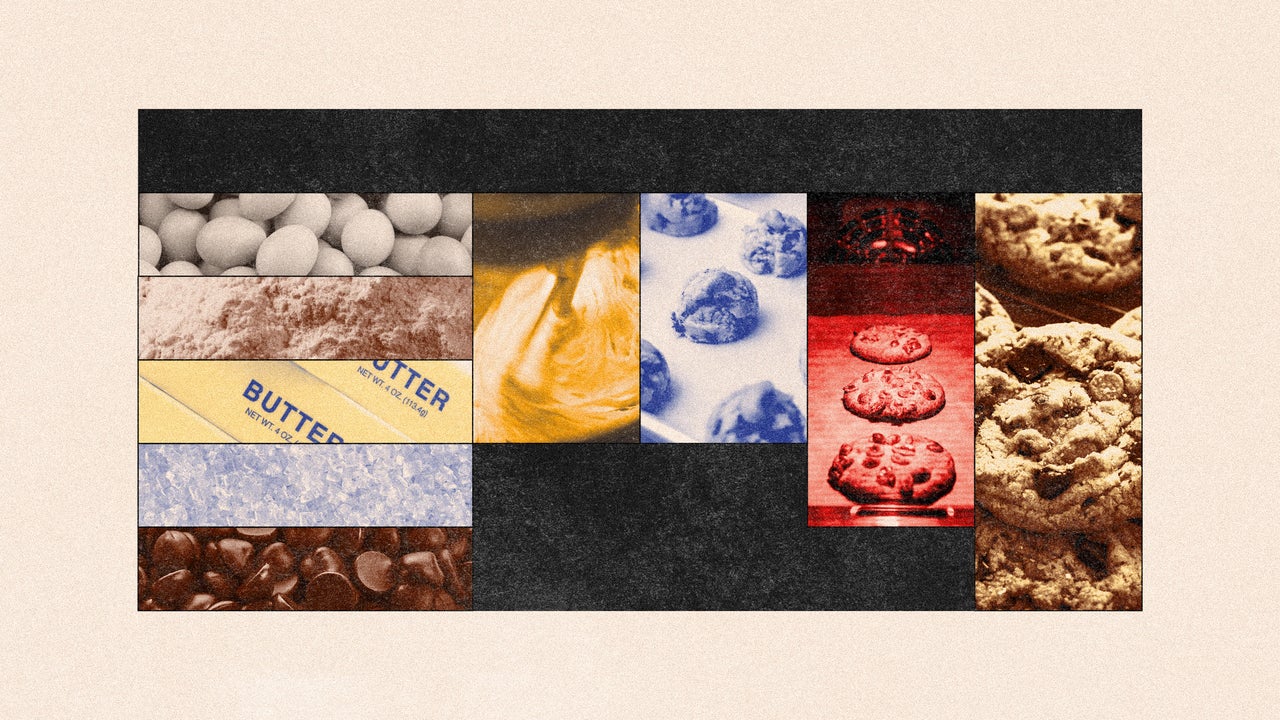
FastCompany: You can whip up just about any dish—from a simple chocolate chip cookie to a more complex croquembouche—thanks to the internet. But while a repository of recipes is just a quick Google search away, getting to the recipe part of a blog post is not as straightforward. Almost anyone who has tried to follow a recipe they discovered online can relate to this problem: You find an enticing treat, have to scroll down past a soliloquy by the author, then have to keep scrolling past ads until you finally arrive at an ingredient list and instructions with varying degrees of clarity. It’s annoying. And frustrating.
There is a better and more straightforward approach to reading recipes: a nested table. “Just made this killer banana bread without having to go through 10 paragraphs of life story,” content designer Juan Buis wrote in a now- viral X post . Alongside the post, Buis shared the recipe—but rather than a standard written list of ingredients and instructions, the recipe is depicted as a tidy infographic.
just made this killer banana bread without having to go through 10 paragraphs of life story pic.twitter.com/wCP0VCFG8t — juan (@juanbuis) July 29, 2026 Meant to be read from left to right, each horizontal row begins with an ingredient followed by a vertical column indicating the next action. Columns merge if the same action applies to multiple ingredients. For instance, “4 oz Unsalted Butter” is next to “melt,” while the next column merges to include all the other ingredients with the instruction “fold it together.” The updated recipe design is not new to 2026, as Buis points out.
“I can’t believe someone solved recipe design decades ago and everyone just decided to ignore it,” his post read. In fact, the style was developed in June 2004 by Michael Chu, an engineer who shared his method for posting recipes on his website, Cooking for Engineers. Chu used an HTML table to communicate recipes in a simpler visual design. “Have an analytical mind? Like to cook? This is the site to read!” the website’s tagline says. The page itself looks sort of like a time machine—simple typefaces, many links, and just a few colors—transporting visitors to an earlier internet era where simplicity was the norm for website design.
It began after Chu decided to store his recipes on a Palm handheld device synced to his Outlook work email account. But due to storage issues, the recipes were lost to the ether. He then decided to try out Blogger as an alternative. Building the site from scratch in PHP, Chu figured out how to translate the way he usually jotted down recipes with pen and paper into something readable on a website—and then came the HTML and CSS tables. “The format is based on how I write down recipes for use in my kitchen.
I would take a ‘normal’ recipe that I wanted to make and just write down the ingredients, scaling them as needed, so I would be able to have everything ready and measured before I start actually making the recipes,” Chu tells Fast Company . “Next to the ingredients, I drew curly braces to remind myself which block of ingredients would go together and a word or two on the action I needed to take. To this day, this is still how I prep for a recipe when I enter my kitchen.” Chu’s system presents a clear, direct way of sharing recipes, particularly for those who may prefer a more visual and synthesized approach to cooking.
Article truncated for readability. Read the full piece →
The article presents a significant innovation in recipe design that can influence broader design practices, making it relevant to brand strategy professionals, though it may not have a direct impact on major brand initiatives.