Score
Why this Louisiana military base is switching to geothermal energy
The transition of Fort Polk military base to geothermal energy highlights a strategic shift towards sustainability within the military sector, emphasizing resilience over climate change rhetoric. This initiative not only reduces the carbon footprint and energy costs for servicemembers but also supports local economic growth through investments in community infrastructure.
FastCompany: Given the rhetoric coming from today’s military leaders, you’d be right to think climate change and sustainability has been tossed aside. The nation’s 2025 National Security Strategy labeled climate change a “disastrous” ideology. “The Defense Department is not in the business of climate change, solving the global thermostat. We’re in the business of deterring and winning wars,” said Secretary of Defense Pete Hegseth. And yet, there is still progress on sustainability being made; only now, it’s been rebranded as resiliency.
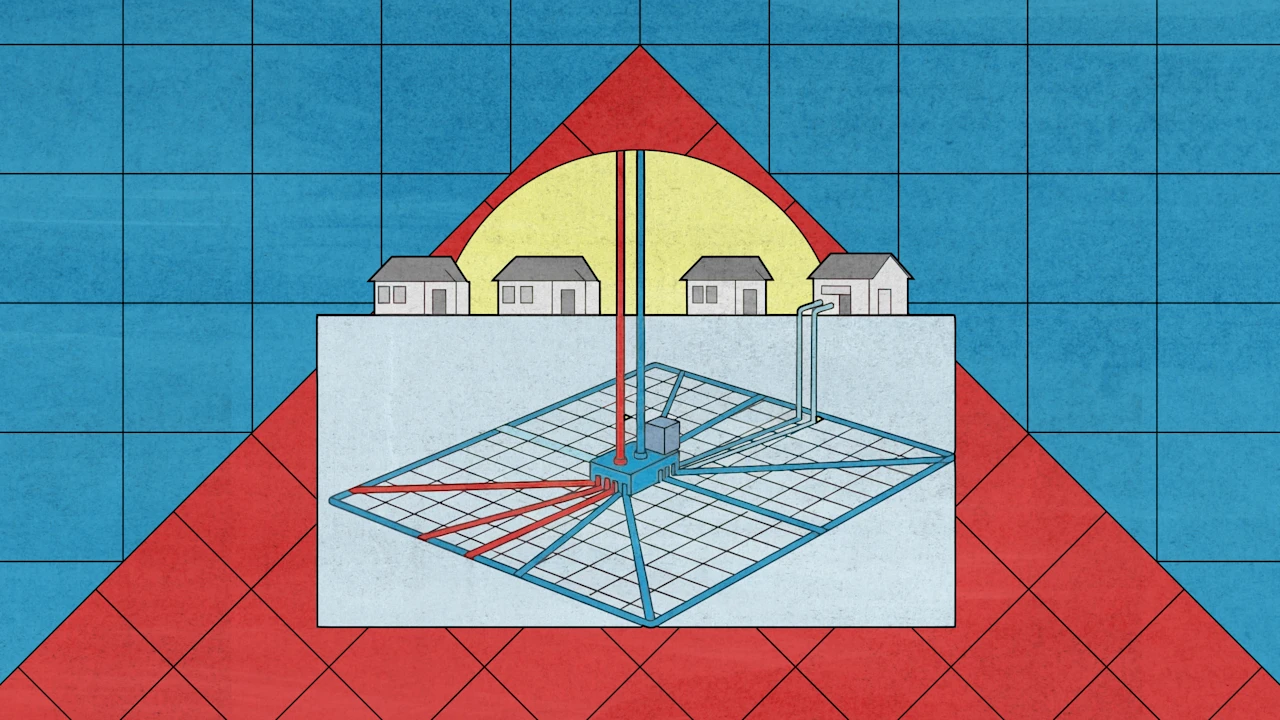
At an Army base at Fort Polk in Louisiana, a renovation promises a cleaner, less carbon-intensive future, as well as a better living situation for servicemembers and their families. Completed in early March, the base represents a first-of-its-kind, $30 million investment in modernizing traditionally outdated and poorly maintained housing. It includes the installation of a large-scale geothermal energy system, all using U.S.-made equipment. It’s the first such geothermal installation at a U.S. military base, and an investment in reducing the installation’s carbon footprint.
“What they get out of it is a much more efficient system that responds to their needs a lot better,” says John Plack, Senior Vice President of Engineering and Implementation at Ameresco, the contractor that oversaw the retrofit. “We’re directly eliminating fossil fuel for heating.” [Photo: courtesy Ameresco] Now, the 3,600 homes on base will see their energy bills slashed by 30%. The upgrades are projected to reduce the Fort Polk family housing portfolio’s annual electrical consumption and deliver more than $2.6 million in annual utility and operational cost savings.
Beyond delivering long-term savings to the installation, the initiative fostered local economic growth by investing in the community and supporting the local workforce. Resilient housing on the rise The military has a lengthy history of making substantial investment in more sustainable and resilient buildings and housing, even during the current administration. As far back as 2003, during the George W. Bush administration, the Department of Defense was commissioning reports on climate risks.
Typically it has viewed this issue through the lens of resiliency: adapting bases to rising sea levels, making installations more self-sufficient, and cutting the military’s massive reliance on unstable oil supplies. Right now, Tyndall Air Force Base in Panama City, Florida, is being rebuilt as a demonstration of resilient military construction, in response to a 2018 storm that caused $5 billion in damages. New buildings rest more than a foot above the ground, roofs have been hardened to survive 165–mile-per-hour winds, and a manmade oyster reef offshore is meant to break up waves.
It’s one of a number of resiliency-focused projects that have continued under the current administration. The military has continued this work set in motion during previous administrations, despite policy shifts coming from the White House and Pentagon, for resilience and budget reasons. A Bloomberg Law analysis found that roughly $400 billion in federal assets, mostly in the Defense Department, stand at risk of a major flood or storm.
Article truncated for readability. Read the full piece →
The article discusses a significant shift towards sustainable energy in a military context, which has implications for brand strategy in terms of corporate responsibility and environmental impact.