Score
What’s next for Stanley after the rise and fall of the water bottle craze?
Stanley is pivoting from its successful Quencher water bottle line to establish itself as a broader premium lifestyle brand. By leveraging insights from customer feedback, the company is launching a new line of bags that incorporate design elements from the Quencher, aiming to enhance versatility and personalization while targeting a more diverse customer base.
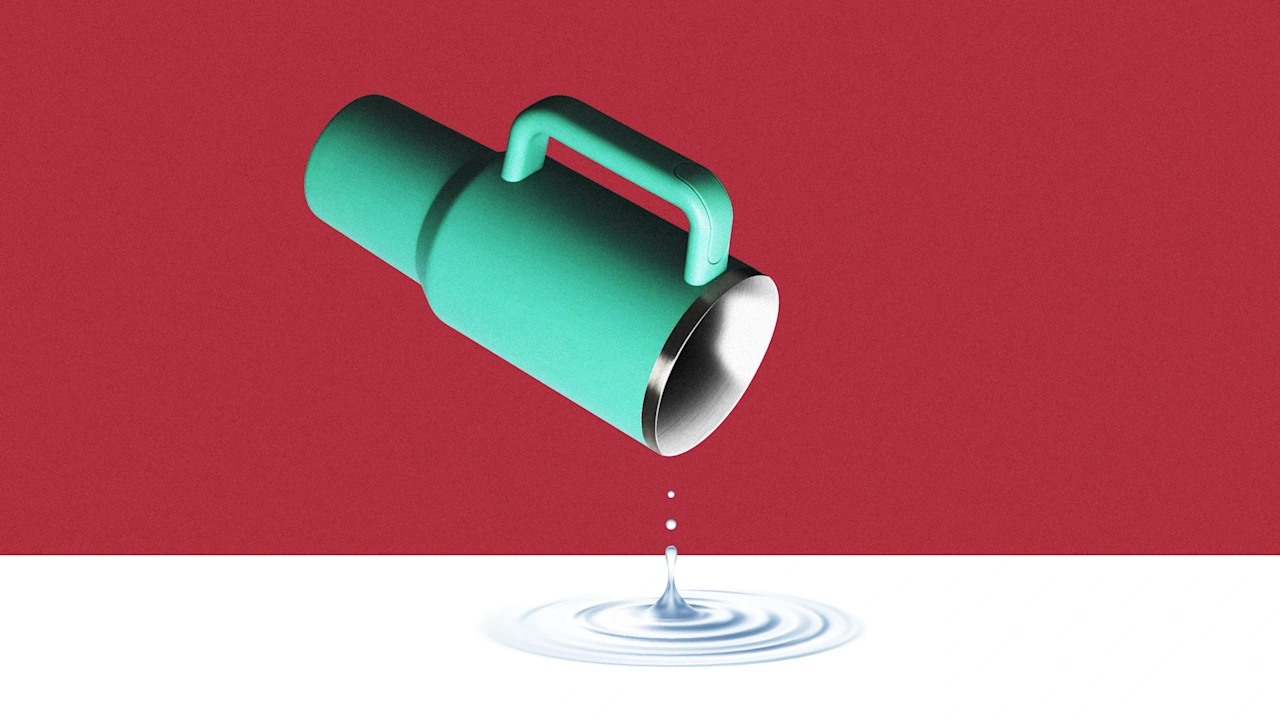
FastCompany: A few years ago, the reusable water bottle transformed from a humble utilitarian good into a status-signaling piece of arm candy. On TikTok , popular creators were decking out their water bottles with custom accessories and add-ons. Out in the real world, people were coordinating their water bottle colors with their activewear sets. Some consumers were even willing to drop hundreds of dollars for a “luxury” hydration experience. It was a full-on war of the water bottles , and there was a clear leader in the pack of drinkware brands vying for attention: Stanley 1913.
For Stanley, a subsidiary of the parent company PMI WW Brands, the great water bottle wars were a business turning point. The 113-year-old brand, which invented the first all-steel vacuum-sealed water bottle, was originally an under-the-radar name beloved mainly by outdoorsmen. After its Quencher water bottle caught the attention of a popular shopping blog called The Buy Guide , though, Stanley launched into the cultural zeitgeist, appearing everywhere from the Barbie movie to the TV show Yellowstone and SNL . Stanley’s revenues skyrocketed from $73 million in 2019 to an estimated $750 million in 2023.
Since then, the rising star of reusable water bottles has dimmed somewhat. In an interview with Modern Retail last April, Matt Tucker, a sports equipment analyst at the Chicago-based market research firm Circana, said that sporting goods retailers saw year-over-year declines of bottles and insulated containers each month from September 2024 to February 2025. On a full-year basis in these retailers, he added, the overall category declined from 38% growth in 2023 to 14% growth in 2024. [Photo: Matt Fowler KC/Adobe Stock] As the water bottle craze dies down, Stanley is looking to new horizons.
The brand is betting that it can bring its unique attention to detail to other areas of its consumers’ lives, from the gym to the boardroom. Its first big play is a line of bags that’s taking a few major design lessons from the Quencher—and is already becoming a fan favorite. What’s next for Stanley after the great Quencher frenzy Stanley’s history can be told through three major eras, according to Graham Nearn, chief product and sustainability officer at PMI. The first—and longest—lasted from around 1913 to 2020, when the brand was focused on work and outdoor gear, primarily targeted toward a male audience.
Then, from 2020 to 2024, the Quencher’s viral success ushered in a second era for the company focused on its hydration line, which also meant an influx of primarily female customers. For the last couple of years, Stanley has been outlining a plan for its third era in the wake of the Quencher’s explosion. Stanley declined to share financial data on its recent Quencher sales and overall revenue with Fast Company , citing the company’s status as a private entity.
But, at a March 2025 event , Stanley 1913 global president Matt Navarro said he was seeing “a settling of the hydration category in the U.S., in particular,” despite overall growth across Stanley’s business from 2020 to 2024.
Article truncated for readability. Read the full piece →
The article discusses a significant shift in Stanley's brand strategy, which is impactful for the industry, while the introduction of new products based on customer feedback offers actionable insights for brand strategy professionals.