Score
Even Republicans don’t want to touch Trump right now
The article discusses the conflicting strategies of Republican candidates as they approach the midterm elections, with many attempting to distance themselves from Donald Trump due to his declining popularity. While Trump actively campaigns and promotes his record, Republican candidates are largely avoiding mentioning him in their advertisements and public appearances, highlighting a significant shift in their approach compared to earlier in the election cycle. Brand strategists can take note of how political figures' popularity can directly influence brand messaging and campaign strategies.
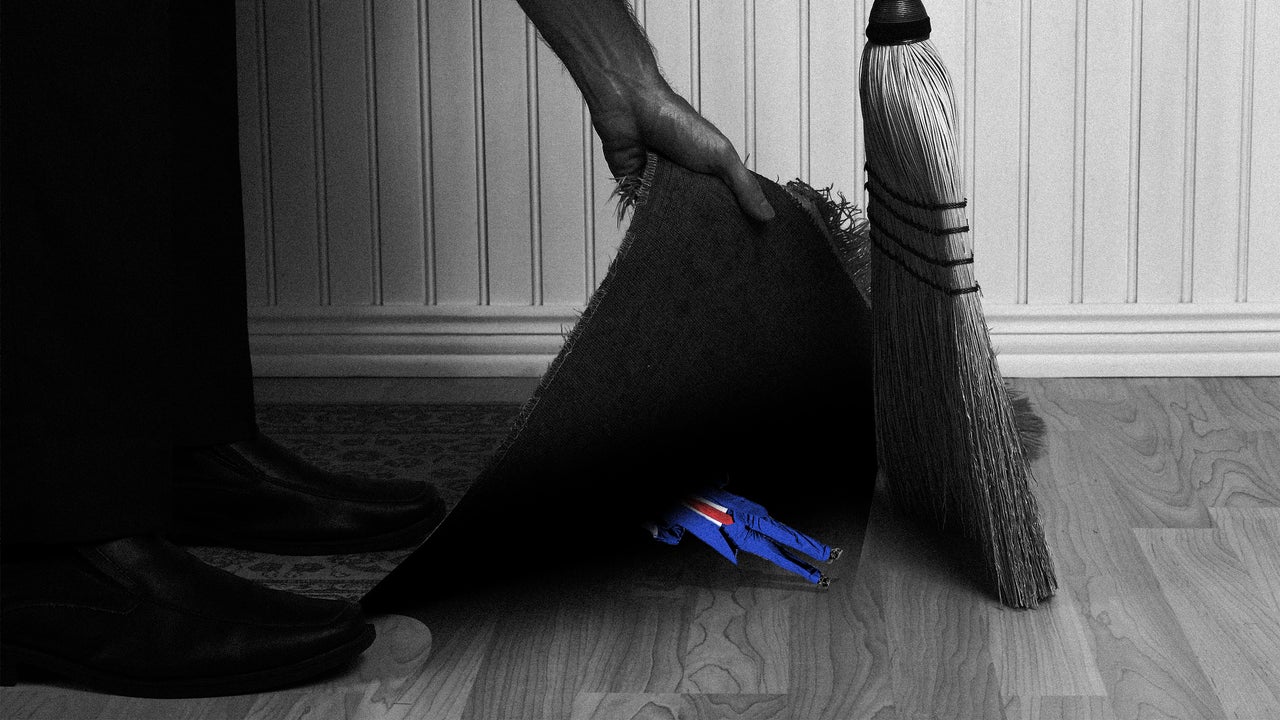
FastCompany: Heading into the final two weeks before Election Day on November 3, Republicans are pursuing two conflicting campaign strategies that could send voters mixed messages. One is all about President Donald Trump and the other pretends he doesn’t exist. While Trump has returned to the campaign trail promoting his record and asking voters to pretend he’s on the ballot, actual Republican candidates have increasingly tried to keep Trump out of the picture. Just look at their advertising.
Less than $1 of every $100 spent on television ads for Republican congressional candidates from September 9 to October 17 mentions Trump, according to a New York Times review of data from the advertisement tracking firm AdImpact. By contrast, $20 of every $100 spent on Democratic ads mention Trump. Over that same period, Trump hosted and spoke at both nights of a rare midterm convention nicknamed “Trumpapalooza,” held 15 rallies, and aired nearly $22 million in government-funded commercials promoting himself before facing bipartisan backlash (he later said his PAC would pay for them in the future).
For Republican congressional candidates who don’t want to talk about Trump, he’s made it very hard. It’s not unusual for candidates of the party in power to distance themselves from the president in the midterms since modern presidential approval ratings tend to only go down after taking office. Trump, however, has never been more unpopular . A Reuters/Ipsos poll released Monday found just 31% of Americans approve of the job Trump is doing, lower than at any point of his two terms.
Earlier in the campaign cycle, Republicans were eager to reference Trump, since many were touting his endorsement or signaling their allegiance to him to win the primaries. More than 70% of broadcast ads for Republican congressional candidates mentioned Trump from January 1, 2025, to June 14, 2026, before mentions of him dropped off dramatically after Labor Day , according to data from the nonpartisan Wesleyan Media Project. The Trump-free Republican ads are just one example of how Trump’s unpopularity is shaping the midterm race, and Republicans are distancing themselves from him in other ways too.
Republican candidates have scrubbed images and references to Trump from their campaign websites, even in deep Republican states, like Senator Mike Rounds of South Dakota and Representative Byron Donalds, a Florida gubernatorial candidate. Some Republicans have skipped rallies or administration events in their states when Trump or Vice President JD Vance came to town , denying nightly newscasts and Democratic attack ads fresh footage showing them chummy with the unpopular president or vice president.
Other Republicans have come out against specific and unpopular policies in ads or social media videos, like Maria Elvira Salazar, a Florida congresswoman who said Trump’s immigration enforcement had gone too far, or Mike Rogers, a former congressman and U.S. Senate candidate in Michigan, who said the Iran war needs to end. With a president this unpopular, there’s always a chance Trump’s efforts to help his party could backfire.
Article truncated for readability. Read the full piece →
The article highlights a significant shift in political branding strategies influenced by a high-profile figure, which is relevant for brand strategists but reflects ongoing trends in political communication.
Weekly digest
Get the Signal digest
Every Monday morning — the top 3 brand trends, 10 high-signal articles, and one emerging signal to watch.
No spam. Unsubscribe anytime.