Score
This outdoor fireplace costs nearly 5 grand—and it might just be worth it
The introduction of the Totem Chiminea by Neighbor highlights a strategic shift in outdoor furniture branding, focusing on high-quality, aesthetically pleasing designs that elevate outdoor spaces to the same level as indoor environments. By emphasizing thoughtful design and natural materials, Neighbor positions itself as a premium brand in a market often dominated by generic offerings, appealing to consumers' desire for unique and functional outdoor living solutions.
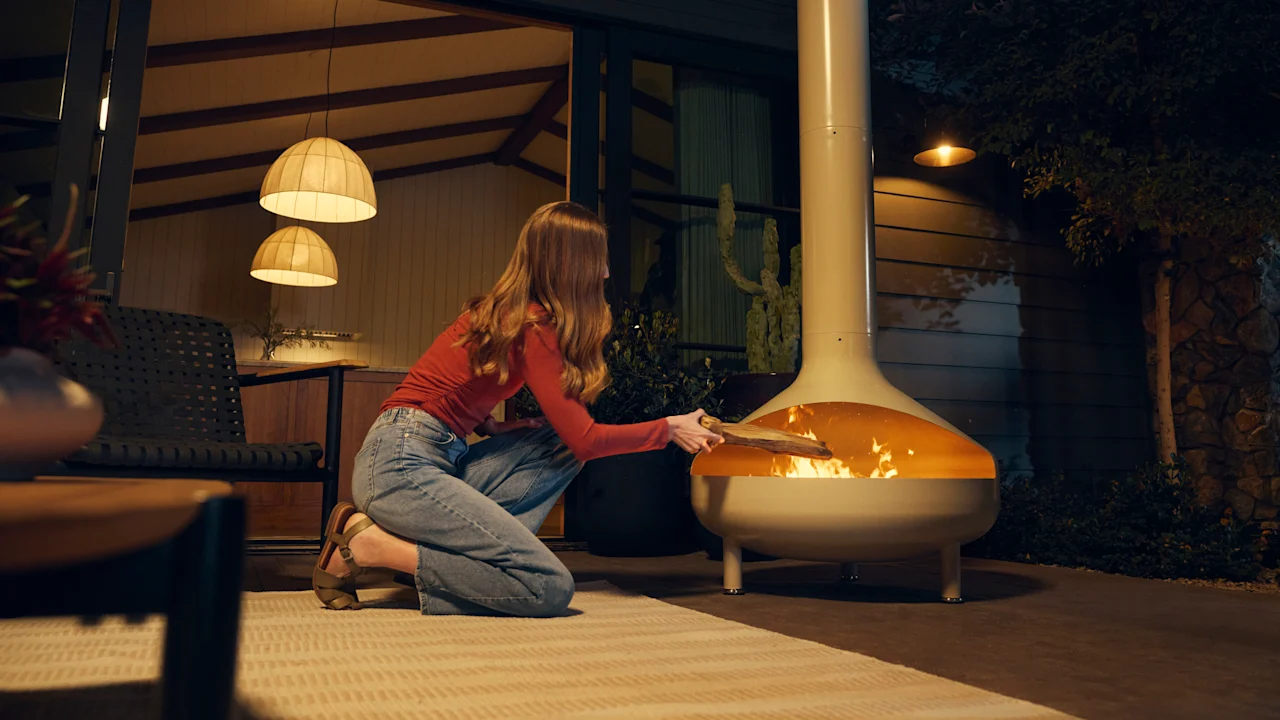
FastCompany: This new outdoor fireplace—called the Totem Chiminea—would be at home in an art museum. It stands 5 feet tall, has a bulbous base that tapers into a slender flue, and is coated in porcelain enamel that comes in earthy colors such as sage green and burnt red. When you light a fire inside it, it emits warmth as well as a glow. At $4,500, it is not a casual purchase. But Neighbor, the 5-year-old brand that creates it, has found that many consumers are looking to invest in outdoor furniture that is as beautiful and thoughtfully designed as the pieces within their home.
Neighbor was founded in 2020 in Phoenix by three friends—Nick Arambula, Chris Lee, and Mike Fretto—who had previously worked together at the direct-to-consumer mattress brand Tuft & Needle. As they surveyed the furniture industry, they realized that outdoor furniture tends to be an afterthought for many companies, rather than something they ask their best designers to tackle. At Neighbor, the team would focus entirely on the design of outdoor sofas and lounge chairs, concentrating their energies on making the pieces as beautiful and durable as possible.
The company launched during the pandemic amid an already crowded market, when Americans were flush with stimulus checks and looking to spend more time in their gardens and patios. Its revenue grew elevenfold from 2020 to 2021. In the years since, the brand has found that Americans have continued to want to invest in their outdoor spaces. Particl , a third-party e-commerce tracking firm, estimates that Neighbor did around $24 million in e-commerce sales over the most recent six months.
The furniture maker’s pieces, which tend toward minimal aesthetics and natural materials, stand out in an industry that is replete with the same synthetic wicker textures, sprawling sectionals in neutral tones, and faux wood that is obviously made of plastic. The reason for this homogeneity is partly because many furniture brands aren’t designing the pieces themselves, but instead are ordering from the same manufacturers’ catalogs. Arambula believed Neighbor’s competitive advantage was that it has a distinct point of view. “We tried to take a pretty strong perspective on design from the very beginning,” he says.
“We didn’t want to just be slapping our brand on something someone else had designed.” Aaron Whitney, Neighbor’s VP of design, is trained as an architect, and it shows. He begins with the materials, most of which are natural, including real wood, aluminum, and stainless steel. Neighbor uses Grade A FSC-certified teak, an unusually dense hardwood with a high oil content that has made it the preferred wood for boatbuilding for centuries. The brand’s steel is 304 or 316 stainless wherever possible, not mild steel with a powder coat that will eventually chip.
When using synthetic materials, including for a rattan collection, Neighbor chooses ColorCore high-density polyethylene (HDPE) that’s dyed all the way through, so there’s no surface degradation. The design philosophy that has emerged from all of this is not a distinct aesthetic—like mid-century or Scandinavian—but a discipline. “My goal is usually just to simplify things,” Whitney says. “It’s less about style and more about utility, but it is certainly not boring.” His goal is to pare down the design as far as it will go, then add life back in through function and color.
Article truncated for readability. Read the full piece →
The introduction of a high-end outdoor fireplace represents a significant shift in outdoor furniture branding, making it relevant for brand strategy professionals, though the concept of premium outdoor products is not entirely new.