Score
Ukrainian drone attacks force Russia to protect its nuclear submarines with low-tech netting
The article highlights the desperate measures taken by Russia to protect its nuclear submarines from Ukrainian drone attacks, including the use of low-tech netting as a last line of defense. This situation underscores the need for brands, particularly in defense and technology sectors, to innovate and adapt rapidly in response to evolving threats and competitive pressures, emphasizing the importance of agility in brand strategy.
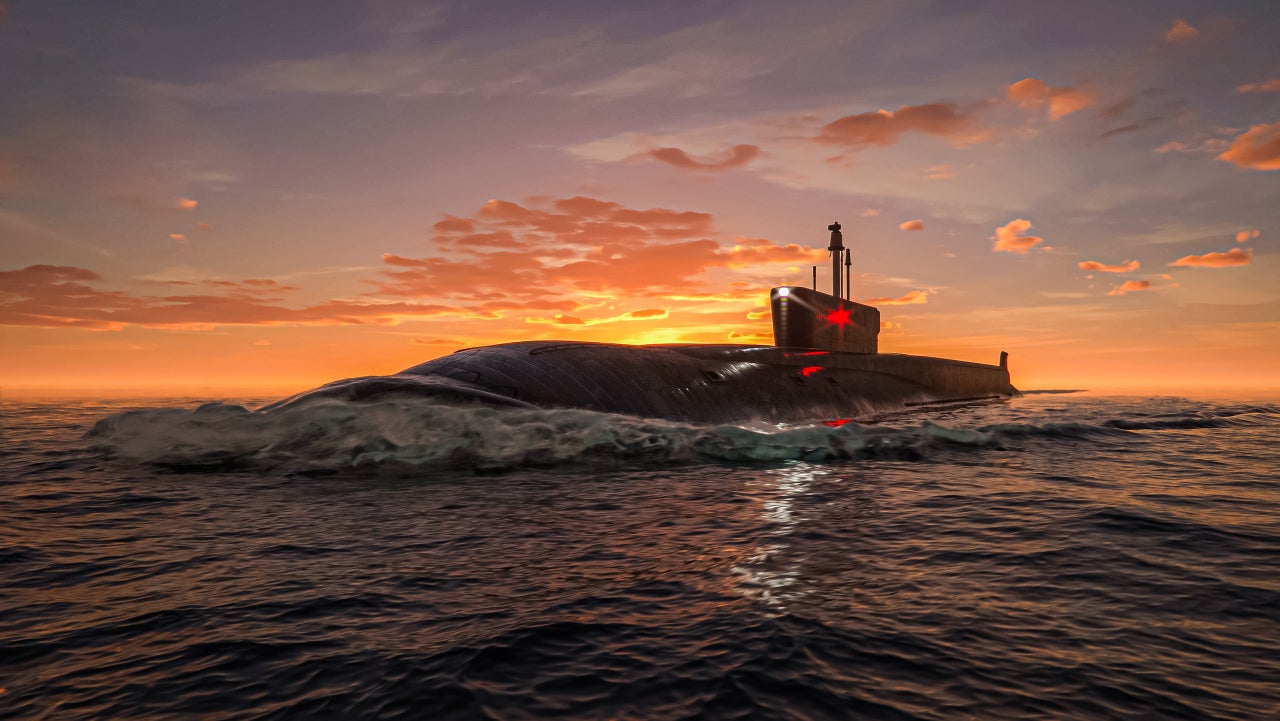
FastCompany: New satellite images reveal nets covering Russian submarines to protect them against Ukrainian drones. It’s a confirmation that no Moscow asset is free from Kiev’s attacks anymore, not even its prized nuclear ballistic missile submarine fleet. It is also yet another embarrassing moment for Russian President Vladimir Putin’s military forces and one more example of how, in the face of Ukrainian technological genius, the Russians need to resort to designing desperate measures as their last line of defense. The drone targets stretch from the Pacific to the Black Sea.
At the Rybachiy facility on the Kamchatka Peninsula, the nets cover Borei and Borei-A class nuclear ballistic missile submarines, the core of Moscow’s nuclear triad. At Novorossiysk, on the Black Sea, metal cages cover parts of Kilo-class attack submarines. Russia knows that Ukraine—the first country in the world with a dedicated Unmanned Systems Forces branch—has already proven it can hit everything else.
Take the unprecedented Operation Spider’s Web: On June 1, 2025, Kiev’s special commandos launched short-range strikes using 117 drones against multiple Russian Aerospace Forces’ bombers (the second component of Putin’s atomic triad) from inside Russia’s own borders. Following that, on June 3, 2026, Ukrainian drones flew roughly 620 miles to hit the Kronstadt naval facility near St. Petersburg, striking the corvette Boikiy in dry dock and setting it on fire, while secondary groups hit the 15th Arsenal munitions warehouses in Lebyazhye. “Last night, our drones covered a distance of about 1,000 kilometers to the St.
Petersburg region—to the enemy navy’s arsenals and a base in Kronstadt,” President Volodymyr Zelenskyy said at the time. And the Black Sea campaign never stopped: Missiles and air and sea drones have torn into multiple Russian Navy ships in repeated attacks on its bases there, the latest attack happening on August 12 . Knowing it can’t down waves of multiple incoming targets, Moscow has resorted again to hanging netting to defend its most precious nuclear assets. It’s a low-tech solution to a high-tech problem: The nets will catch the drones before they can hit the subs.
Earlier in August, imagery from satellite survey company Vantor showed personnel at the Kamchatka Peninsula facility suspending mesh over the moored nuclear ballistic missile submarines. In addition to that, floating booms ring the docks to intercept explosive uncrewed surface vessels. Large crane ships spent May through August positioning the overhead defenses. The practice began with what Russia’s own soldiers call the “roads of death,” supply routes where Ukrainian first-person view (FPV) drones, piloted with game controllers and headsets, left hundreds of ruined trucks and armor .
Russian troops were forced to improvise a 2-kilometer tunnel of plastic mesh strung on makeshift posts. The tactic mimics the barrage balloons Allied forces floated during World War II to obstruct dive bombers. Some sections were fully enclosed; others were just overhead banners meant to physically block diving drones. “Our group maintains more than 2 kilometers of anti-drone nets. We constantly improve the technology,” a Russian soldier said in a state TV broadcast at the time. “The nets are placed in the most exposed sections of the road to ensure the safe movement of our equipment.
Article truncated for readability. Read the full piece →
The article discusses a significant geopolitical issue that affects brand strategy in defense and technology sectors, highlighting the need for innovation and adaptability, which is relevant for brand professionals.