Score
Your trash can is ugly. Caraway wants to fix that
Caraway's launch of a new trash and recycling system signifies a strategic move to elevate the often-overlooked category of kitchen waste management by combining aesthetics with functionality. This approach aligns with the growing consumer demand for home goods that reflect personal style, suggesting that brands should prioritize design and user experience to stand out in competitive markets.
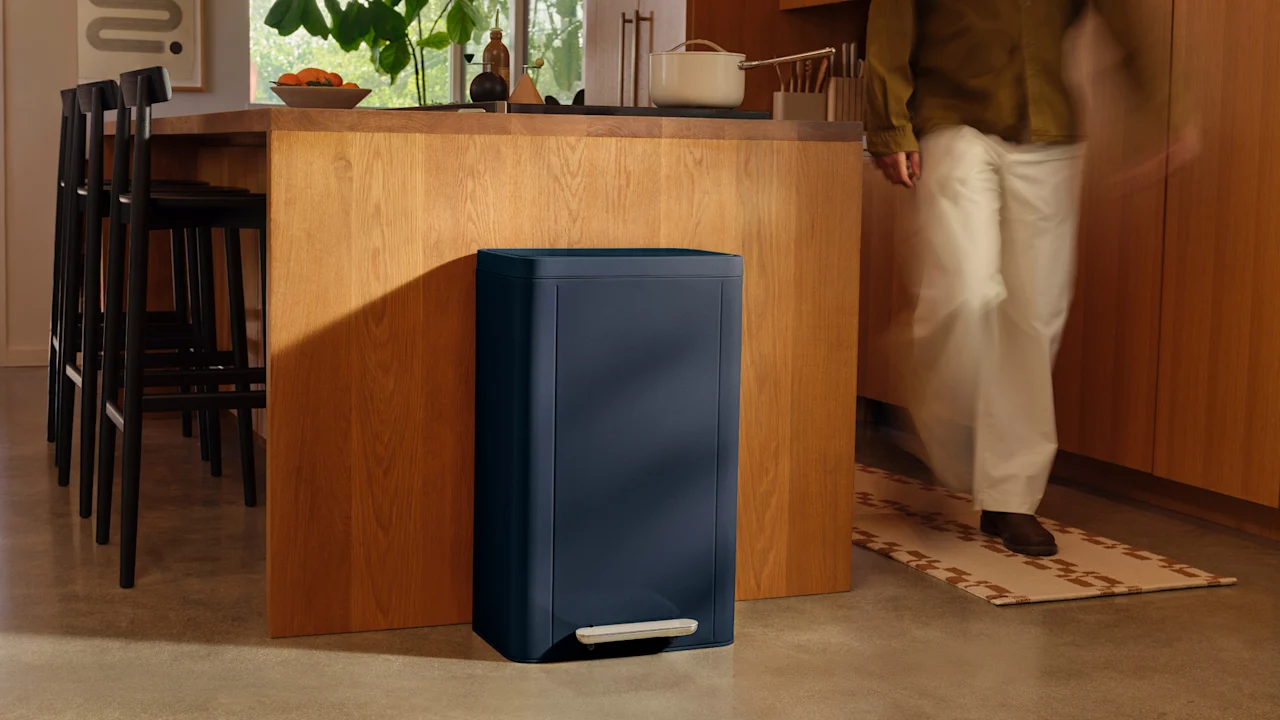
FastCompany: The modern kitchen has become a canvas for self-expression, a place where consumers obsess over aesthetics and materials with an intensity usually reserved for fashion. They carefully consider the color of their Dutch oven, the kind of wood in their cutting board, and where to display their glass canisters. And yet, tucked into the corner of that same beautiful kitchen, is almost certainly an unattractive trash can that looks like it was designed in 2000 and never revisited. The home goods market is massive and growing. It was valued at $960 billion in 2024 and projected to reach $1.6 trillion by 2030.
But aside from premium brand SimpleHuman , which paved the way for well-designed trash and recycling systems, the category has largely been the overlooked stepchild of the kitchen. They tend to come in boring colors, are frequently loud, and often don’t properly hide the trash bag. [Photo: Caraway] Caraway wants to bring new life into the category. Next week, it launches a new trash and recycling system that reimagines both the functionality and the aesthetics of a kitchen trash can. (That is, if you can swing the $445 price tag for the set.) “We designed them to feel like furniture,” says Jordan Nathan, Caraway’s founder and CEO.
“We want a product that you could feel really proud to display.” The New Caraway Trash System Caraway began developing the trash system in 2020 or 2021, and began by surveying customers to see what they would improve in a trash system. It turned out that most of them had multiple recycling bins in their home because they needed to separate paper from plastic. (“Typically those cheap blue plastic bins,” Nathan says.) Since they didn’t have enough space to lay these bins out next to one another, they often kept trash and recycling in different spots, requiring a trek across the kitchen.
[Photo: Caraway] The design team took all of this information and began to reimagine what trash and recycling could be. They sketched out a system with a small footprint, with bins designed to sit side by side, and a recycling solution with sorting capability. The result is trash bins that come in two configurations, with a wide or narrow opening, to fit seamlessly into your kitchen’s design. The recycling bin is a particular design feat: a stacked two-compartment unit with pull-out drawers, each fitted with a discreet brushed metal handle, that allows you to sort glass and metal from cardboard and paper.
The trash and recycling cans are meant to nest coherently, side by side. [Photo: Caraway] But even though they look effortless, a lot of work has gone into their functionality. “The internal mechanics based on the shape are different per product,” Nathan says. The step mechanism on the narrow bin operates differently from the one on the wide bin. The recycling unit required solving for a unique structural challenge: making sure a heavy bin full of wine bottles wouldn’t tip over, and that the pull-out drawers wouldn’t come flying open.
“It was three separate R&D projects that also had to work together,” Nathan notes, “which was quite a big challenge.” On the aesthetic side, the system comes in brand’s signature muted, earthy palette—cream, forest green, terracotta, navy, and sage—all powder-coated in the same smooth, seamless finish that has become the brand’s visual calling card. Nathan says they deliberately excluded stainless steel and black, the color of most trash cans on the market today. “We really wanted to bring a Caraway look and feel to this,” Nathan says.
Article truncated for readability. Read the full piece →
Caraway's initiative to enhance kitchen waste management through design is significant for the home goods industry, introduces a fresh perspective on a typically neglected category, and offers actionable insights for brand strategy professionals focused on aesthetics and consumer preferences.