Score
This sleek POS system is designed to take on Stripe
Zeller's Terminal 2 redefines the point-of-sale experience by combining innovative design with functionality, challenging the traditional perception of payment terminals as mere utility devices. This approach not only enhances customer interaction but also positions Zeller as a competitive player against established brands like Stripe, emphasizing the importance of design in brand strategy within the tech landscape.
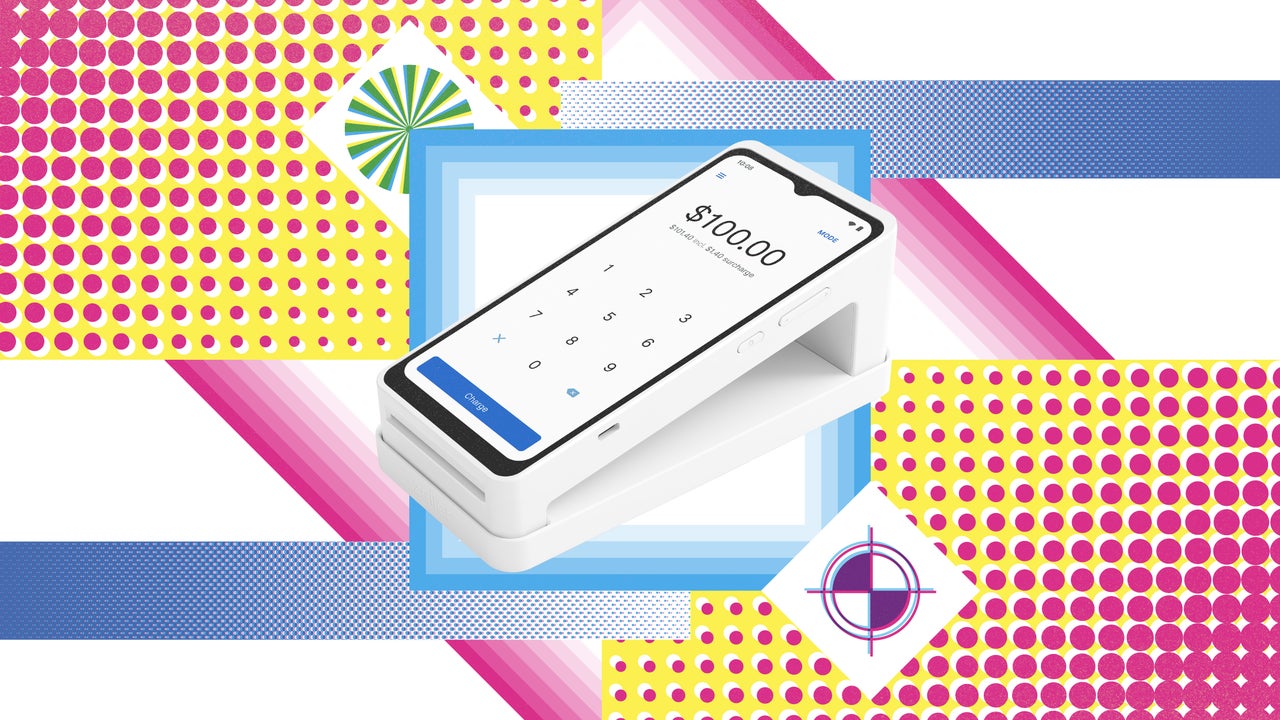
FastCompany: Payment terminals have long been treated as commodity hardware: functional, forgettable devices designed more for back-office utility than customer experience. Zeller challenged that assumption with Terminal 2, Australia’s first locally designed all-in-one point-of-sale terminal, earning the project Innovation by Design’s Best Design in Asia Pacific award.
{"blockType":"mv-promo-block","data":{"imageDesktopUrl":"https:\/\/images.fastcompany.com\/image\/upload\/f_webp,q_auto,c_fit\/wp-cms-2\/2026\/09\/2026-IBD_social-share-2-16x9-1.jpg","imageMobileUrl":"https:\/\/images.fastcompany.com\/image\/upload\/f_webp,q_auto,c_fit\/wp-cms-2\/2026\/09\/2026-IBD_social-share-1-1-1x1-1.jpg","eyebrow":"","headline":"Meet the world\u0027s most innovative design companies","dek":"","subhed":"","description":"","ctaText":"See the List","ctaUrl":"https:\/\/www.fastcompany.com\/innovation-by-design\/list?utm_source=fcwebsite\u0026utm_medium=promo_block\u0026utm_campaign=IBD26","theme":{"bg":"#f4f4f4","text":"#2b2
d30","eyebrow":"#9aa2aa","subhed":"#ffffff","buttonBg":"#444444","buttonHoverBg":"#ef5b24","buttonText":"#ffffff"},"imageDesktopId":91604521,"imageMobileId":91604520,"shareable":false,"slug":"","wpCssClasses":""}} Designed by Zeller’s in-house team in Melbourne, Terminal 2 rethinks both the physical form and the business model of payment technology. Its minimalist industrial design takes the shape of an inverted channel, with a raised front edge for card insertion and a higher rear angle that improves screen visibility and NFC tap performance.
Available in black, white, and graphite finishes, the device is intended to complement modern retail interiors rather than disappear into them. A programmable rear logo light allows merchants to customize branding or communicate device status, while a 6.5-inch HD touchscreen supports complex interactions without sacrificing ease of use. [Photo: Zeller] The terminal also simplifies operations. A free built-in POS system lets businesses begin selling immediately, while compatibility with more than 600 third-party POS platforms allows merchants to expand without replacing hardware.
Paper receipts have been eliminated in favor of email, SMS, and QR code delivery, reducing both consumables and environmental impact. The design has quickly translated into market success. More than 10,000 Terminal 2 units have shipped across Australia in the past year, with expansion into the U.K. underway.
Priced at A$199 (US$144)—roughly 40% less than comparable devices from competitors such as Square and SumUp—the terminal has also been integrated into more than 150 self-service kiosks at national quick-service restaurant chains, demonstrating how thoughtful industrial design can reshape an overlooked category.
The article discusses a significant innovation in the POS market that challenges established players, highlighting the role of design in brand strategy, which is highly relevant for brand professionals.