Score
Walmart CEO John Furner is turning the retailer’s 5,200 U.S. stores into an unstoppable AI engine
Walmart's CEO John Furner is leveraging AI technology to transform the retailer's operations and enhance the shopping experience across its 5,200 U.S. stores. By integrating advanced tools and automation, Walmart aims to streamline processes, improve efficiency, and ultimately compete more effectively with e-commerce giants like Amazon, while also addressing workforce concerns about job security and autonomy in an increasingly automated environment.
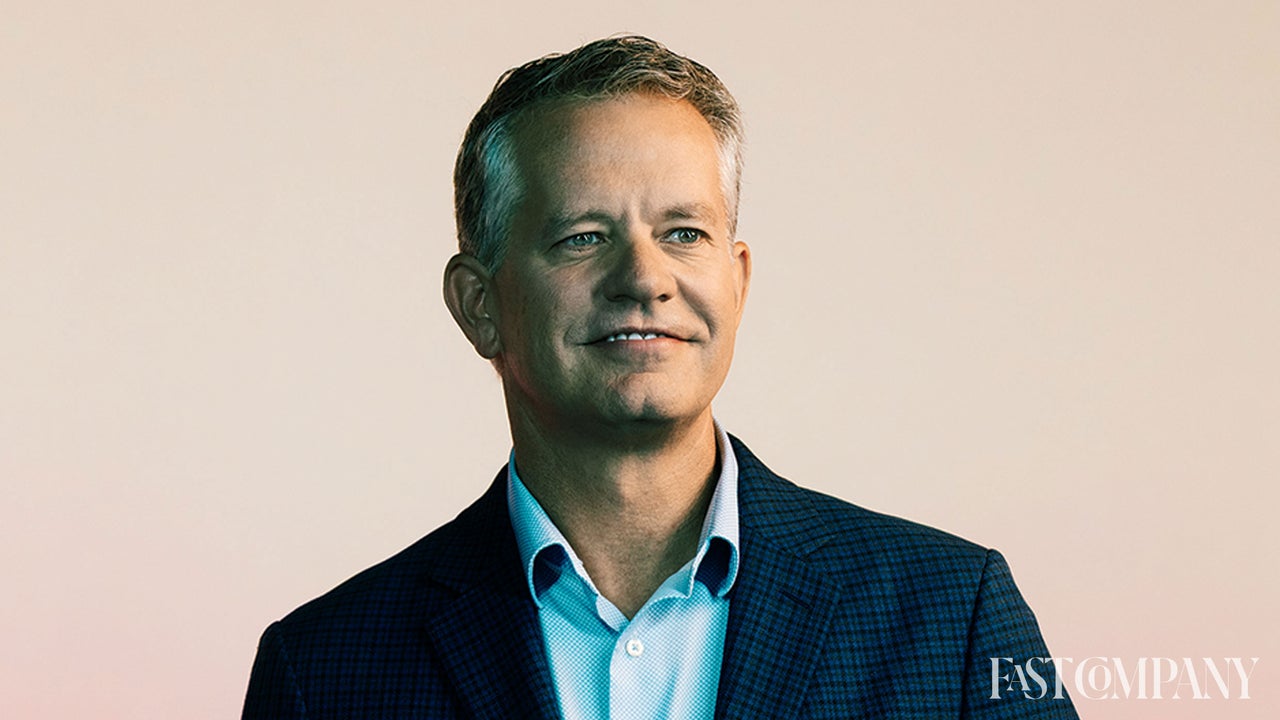
FastCompany: As he belts the last note of his pop hit “Mystical Magical,” Benson Boone, in a white muscle tee and skintight jeans, backflips off his piano—and 10,000 people inside the Bud Walton Arena in Fayetteville, Arkansas, erupt into raucous applause. And he’s just the warm-up act. Boone is followed by Shaboozey, who sends the audience line dancing in the aisles, then Pink, who blasts through her hits. But the morning’s biggest rock-star reception is reserved for a clean-cut guy in a gray suit jacket, his hair flecked with silver.
He steps into the spotlight, an electric guitar slung across his chest, and rips into the intro of Journey’s “Don’t Stop Believin’.” The crowd lets loose its largest cheers yet. John Furner, 51 and just four months into his role as CEO of Walmart, has been preparing for the spotlight for more than three decades. This Friday morning concert in early June is the culmination of Walmart’s Associates Week, the company’s annual celebration of the people who stock its shelves and ring up its customers.
Some 6,500 Walmart workers have flown into Arkansas from 19 countries and across the United States to hear what Furner has planned for the 64-year-old company. After all, he used to be one of them. Furner started working at Walmart when he was 18, as a part-time associate in the garden center of Walmart Store 100 in Bentonville, close to the company’s headquarters. He rose through the ranks, taking on roles that included assistant store manager, district manager, buyer, and head of marketing and merchandising for Walmart China, before being named CEO of Sam’s Club, the company’s warehouse chain, in 2017.
Two years later, he took over Walmart U.S., the company’s largest division, and in February, he ascended to the top job. Though Furner only plays the opening bars of “Don’t Stop Believin’” before launching into his keynote address, it’s a fitting anthem for his CEO debut. He must persuade Walmart’s 2.1 million workers to maintain their faith in the company—and in their place in its future—at a moment of massive upheaval.
Technology is reshaping how associates spend their days: Walmart is urging them to take its new ChatGPT and Gemini certification courses, automate parts of their jobs with an internal vibe-coding tool, and carry an AI-enabled smartphone that coaches them through their daily tasks, like identifying produce freshness as they walk the store. Meanwhile, robots scrub floors and tape up cardboard boxes, while artificial intelligence routes trucks and identifies shelves that need restocking faster than any human could. If Walmart’s AI bets pay off, they will remake the company.
They could also have collateral damage, in a way that’s top of mind for many people in the arena. Furner tells his employees that AI is not a threat to their careers but the thing that will keep them relevant. “It’s our responsibility to help you build the skills that will lead the future of retail,” he says. “The future of Walmart.” He’s picking up the reins from his predecessor, Doug McMillon, a retail legend who had spent the previous 12 years rebuilding Walmart into a digital powerhouse, second only to Amazon in U.S. online sales. By the time he handed the company to Furner, Walmart’s market value had quadrupled.
Article truncated for readability. Read the full piece →
Walmart's significant investment in AI to transform its vast retail operations represents a major shift in the industry, making it highly relevant for brand strategy professionals looking to understand the future of retail and consumer engagement.