Score
R/GA’s new tool helps brands embrace the hyper-personalized future of advertising
R/GA's introduction of the BRDNA Sequencer represents a significant shift in brand strategy, emphasizing the need for brands to adapt to a hyper-personalized advertising landscape. By utilizing AI to create living systems that evolve with real-time data, brands can maintain their identity while being responsive to changing market conditions and consumer needs.
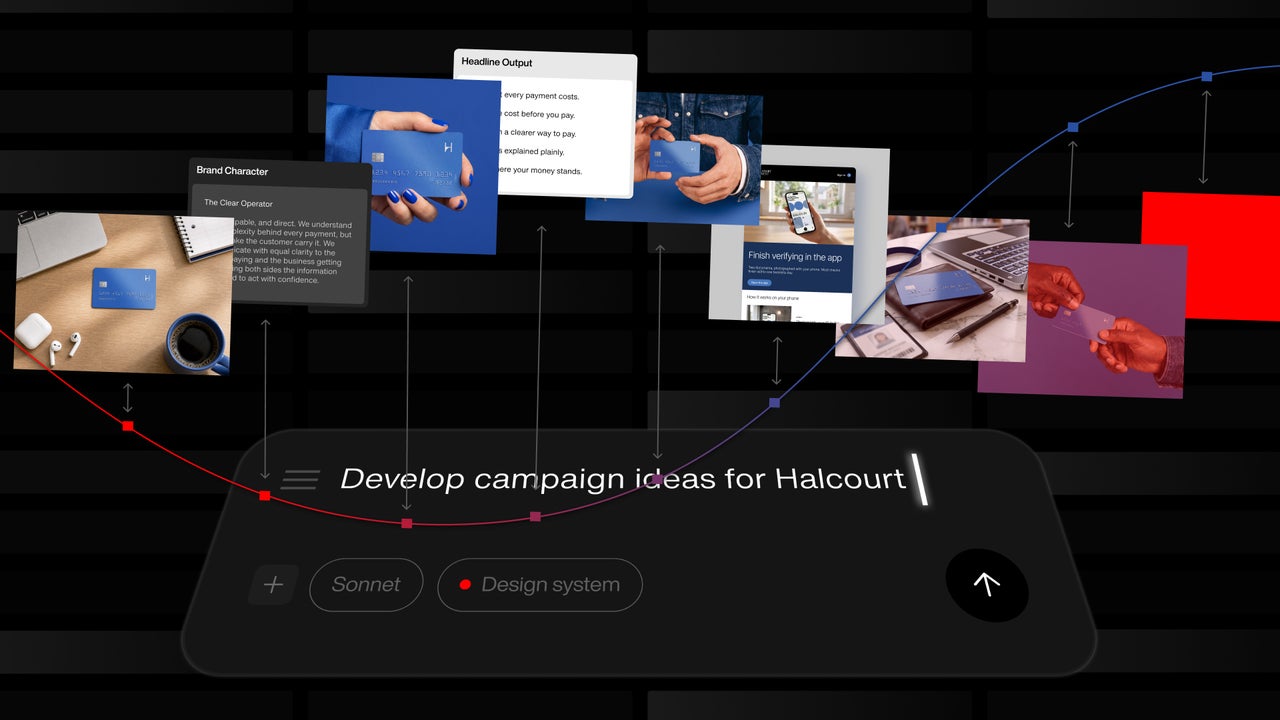
FastCompany: The creative company R/GA thinks the marketing and advertising campaigns of the future will act like living systems, evolving with real-time data and responding to site-specific conditions. To make that possible, it says new platforms will have to come online—and it’s starting with a new AI tool called the BRDNA Sequencer. The BRDNA Sequencer trains itself on a company’s brand guidelines—including fonts, colors, layout rules, and tone of voice—and translates them into a format that artificial intelligence agents can read and understand.
(BRDNA stands for “brand DNA.”) From there, the company can use simple plain language prompts to generate directly editable assets like social assets, marketing emails, and CRM systems. R/GA is launching the tool this month as a service for its direct clients. R/GA Global Chief Business Officer Sadie Thoma [Photo: R/GA] Other major AI companies, including Canva and Anthropic , have released features that allow companies to upload their brand guidelines as a code base for visual projects.
According to Sadie Thoma, a 15-year Google alum and R/GA’s new global chief business officer, what makes the BRDNA sequencer different is that it’s “platform-agnostic.” The tool can be hooked up to any major AI chatbot and work in tandem with it, which, Thoma says, takes into account an era when workflows live across a diverse array of AI tools, and when creative campaigns are shifting from one set of deliverables to ever-evolving efforts. Essentially, R/GA is betting that it can use its expertise as a tech-focused creative agency to create AI tools by designers, for designers.
Adapting to rapid change In early 2025, after 23 years as part of the advertising and marketing services holding company IPG, R/GA bought back its independence . Since then, the brand has been dialing in on a new creative direction focused on developing not just campaigns but the tools required to execute them—and seeing business gains as a result, including a 27% revenue bump from 2024 to 2025. “Proprietary products like [the BRDNA Sequencer] wouldn’t have been possible under the previous ownership model,” says George Griffiths, R/GA’s global head of communications.
“Independence has really been a catalyst for us to be able to invest in this kind of new wave of creativity.” R/GA is innovating around a thesis that the creative world will need to become much more responsive, local, and omnipresent as AI shortens the timeline from marketing concepts to final assets. As one example, in late 2024, R/GA began a partnership with Google Shopping that experimented with a hyperlocal out-of-home campaign on digital kiosks across New York City.
The campaign used several AI models, including Google Gemini, to pull timely data from Google Maps and Google Trends and build real-time ads that were specific to each city block. During the Macy’s Thanksgiving Day Parade, for example, one kiosk on part of the route updated to read, “Parade view might be blocked, but deals are in full view.” “These types of systems are meant to be living, so that they evolve and grow as technology evolves, and as your brand evolves,” Thoma says.
Article truncated for readability. Read the full piece →
The introduction of a tool that leverages AI for hyper-personalization in advertising is highly significant for the brand industry, offers a novel approach to brand strategy, and provides actionable insights for brand strategy professionals.