Score
Forget Evian. PFAS-free bottled water is the new status symbol
The emergence of PFAS-free bottled water brands like Loonen and WaterOuai signifies a shift in brand strategy towards transparency and health consciousness in the beverage industry. As consumers become increasingly aware of the dangers of microplastics, these brands are positioning themselves as premium options that prioritize purity and sustainability, appealing to a market that values wellness and informed choices.
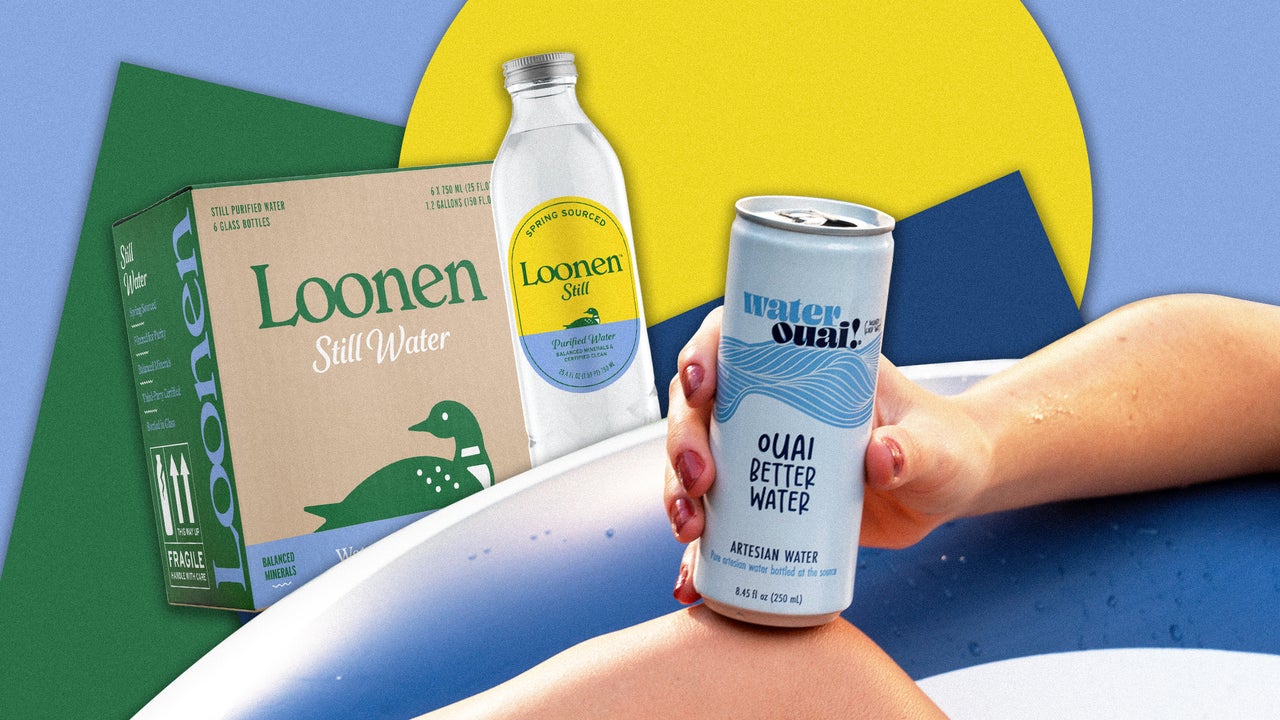
FastCompany: For years, branding for high-end bottled water tried to sell consumers on the ineffable characteristics gained by dint of its origins: the purity of an Icelandic glacier, or the exoticness and vibrancy of an aquifer from a remote Pacific island.
Now, a new generation of water brands are looking to rebrand wellness, health, and luxury as drinking a product that lacks a certain invisible mystery—namely microplastics and PFAS, the “forever chemicals.” With increasing evidence showing that bottled water has significantly more microplastics than the tap, including an Ohio State University study released earlier this year, these brands are tapping into larger consumer awareness—and fear—over the long-term health aspects of these pollutants.
“The organic movement never came for water, because it’s not grown,” says venture capitalist Clara Sieg, founder of Loonen, an exhaustively tested, PFAS-free water sold in glass bottles. “It’s a category that was based on marketing claims and jargon for a very long time, and consumers got a lot of cool bottle designs, but not very much transparency on what’s in it.” [Photo: WaterOuai] Loonen and the newly launched brand WaterOuai are positioning themselves as premium, on-the-go options in an expanding water purification market that already boasts a number of home filtration systems.
Since launching in late 2025, Loonen has become an “it water ” that’s found its way into the hands of influencers, on the shelves of trendy grocery stores, and celebs like Dua Lipa, without a paid influencer campaign. Meanwhile, WaterOuai, which was started by the founder of the cult sunscreen brand Supergoop! and her son, is positioning itself as a healthy, artisan water option that’s packaged in a Japanese-made “supercan” that eliminates microplastics. These launches come at a time when bottled water continues to explode as a consumer category.
Bottled water overtook carbonated soft drinks as the most consumed commercial beverage in the U.S. in the late 2010 and continues to grow at a fevered pace, according to the Beverage Marketing Corporation . In 2024, U.S. residents consumed 16.4 billion gallons of bottled water, creating revenues of $28.2 billion, more than double the $13.8 billion figure from 2014. The movement toward more chemical-free hydration fits into wider shifts in the wellness space towards avoiding additives and impurities, says Joe Vennare, cofounder of Fitt Insider .
Vennare says MAHA discourse and the growing prevalence of third-party testing of products are leading to a more general awareness of what’s inside our food and drinks. He could see it leading to labels or packaging that disclose the presence, or lack, of PFAS. “It’s going to be another checkbox,” he says. “Not that long ago, you started seeing that with dietary stuff, where everything had this keto seal, or Whole 30 seal, or seed-oil free seal.” [Photo: Loonen] Building a better water brand Both Loonen and WaterOuai share somewhat similar origin stories.
Article truncated for readability. Read the full piece →
The article highlights a significant trend in the beverage industry towards health-conscious branding and sustainability, which is highly relevant for brand strategy professionals looking to adapt to changing consumer preferences.