Score
In the age of AI, L.L. Bean is betting big on brick-and-mortar shopping
L.L. Bean's new flagship store in Freeport, Maine, represents a strategic pivot towards creating immersive, experiential retail environments that prioritize customer engagement over digital convenience. By investing $50 million in a low-tech, interactive space, the brand aims to redefine the shopping experience, positioning itself as a destination that fosters learning and connection, even as AI and technology proliferate in retail.
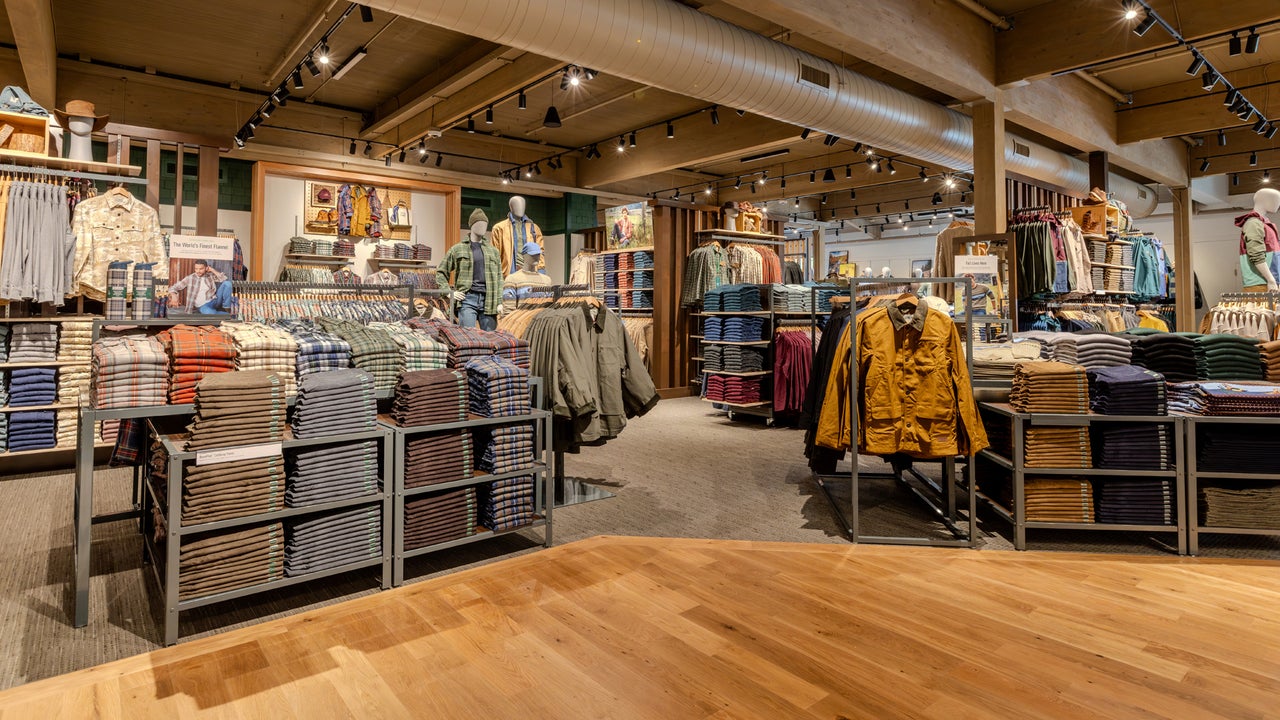
FastCompany: When you step into the newly renovated L.L. Bean flagship, the first thing you see isn’t the brand’s latest collection of field coats or duck boots. It’s fish. As you cross the threshold of the 160,000-square-foot store in Freeport, Maine, you’re greeted by massive, multilevel aquariums stocked with native Maine trout; instructors from the company’s nearby outdoor education center conduct fly-fishing demonstrations. As you climb the entryway’s grand staircase, there’s a pond exhibit featuring acrylic view ports where children—and curious adults—can pop their heads inside a glass bubble to come nose-to-nose with a trout. [Photo: courtesy L.L.
Bean] “We’ve concentrated all of our efforts on creating just a one-of-a-kind, must-visit retail destination,” says Greg Elder, L.L. Bean’s CEO, who takes me on a tour of the new location. “We want customers to go home with the satisfaction of thinking: I didn’t just buy something that solves a problem in my life. I learned something, I experienced something, I got to do something .” This flagship is more than a store; it’s an amusement park, nearly as big as three football fields. With this $50 million investment, L.L. Bean is signaling that the next generation of retail isn’t just experiential.
It’s an exciting IRL destination that makes ordering something on your phone with ApplePay downright boring—even for practical L.L. Bean shoppers. At a time when artificial intelligence is taking over so many aspects of our lives, the company is making a contrarian bet that customers will gravitate toward a low-tech destination. [Photo: courtesy L.L. Bean] The Reluctant Retailer Even before this multiyear overhaul, the Freeport store attracted upwards of 4 million visitors annually, turning a sleepy coastal town into Maine’s second most-visited tourist attraction, after Acadia National Park. With its new interactive features, L.L.
Bean is hoping millions more will make the pilgrimage. The reimagined flagship represents the most ambitious investment in L.L. Bean’s 114-year history. Founded in 1912, the company remains private and family owned. Its executive board chairman, Shawn Gorman, is part of the fourth generation of descendants of the founder, Leon Leonwood Bean. Industry estimates place the company’s annual revenue around $1.7 billion and the workforce at 5,700 year-round employees. [Photo: courtesy L.L. Bean] The renovation of the flagship took five years of planning and two years of active construction.
It was led by Elder, who spent nearly two decades directing the company’s brick-and-mortar operations, climbing from VP of stores to chief retail officer before stepping into the top job. Elevating the top retail strategist to the head of the company signals L.L. Bean’s conviction that physical store experiences are central to its growth. This year, the company will open eight new stores, with 10 more scheduled for next year. Despite its status as an American retail icon, L.L. Bean was surprisingly late to brick-and-mortar retail.
For nearly a century, the company operated as a mail-order catalog with just a single store location in Freeport. “For 80 years, this was the only store,” Elder explains. The company was early to e-commerce, launching a website in 1998, which makes sense since the warehouse and shipping infrastructure of a catalog and online business are similar. But it was only in the year 2000 that L.L. Bean built its second store. Elder, who had spent 15 years as a retail specialist at Target and Eddie Bauer, was brought on to help develop the company’s brick-and-mortar strategy. Over the past two decades, L.L. Bean has been deliberate with its expansion.
Article truncated for readability. Read the full piece →
L.L. Bean's significant investment in experiential retail amidst the rise of AI presents a noteworthy shift in strategy that could influence industry trends, making it highly relevant for brand strategy professionals.