Score
25 Planet Friendly Product Swaps That Creatives Actually Stick With
The article highlights the growing trend of creatives opting for sustainable product swaps, indicating a shift in consumer behavior towards environmentally friendly choices that prioritize both design and functionality. For brand strategy, this emphasizes the importance of integrating sustainability into product offerings and marketing narratives to resonate with increasingly eco-conscious consumers.
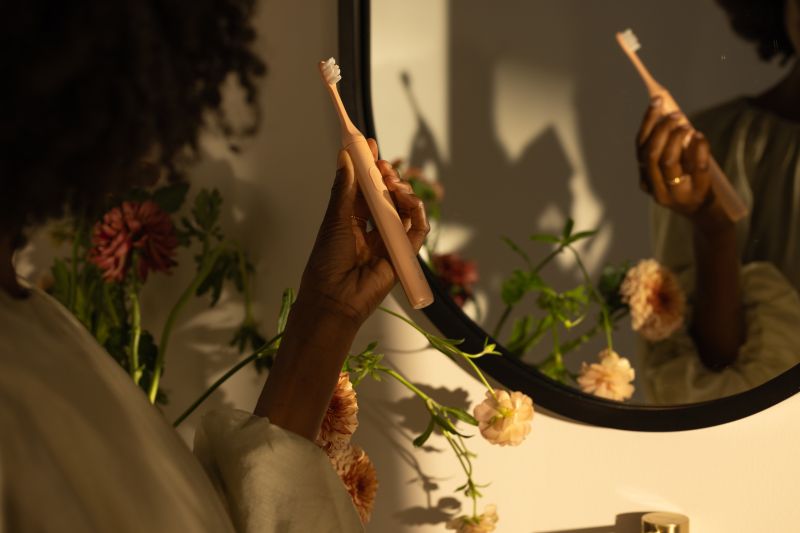
Creative Boom: Resources Gear 24 planet-friendly product swaps that creatives actually stick with From refillable deodorant to e-ink notebooks, these are the everyday upgrades that prove good design and sustainability are no longer mutually exclusive. Written By: Tom May 24 February 2026 Suri toothbrushes We asked the Creative Boom community a simple question: what have you swapped out that genuinely feels like an upgrade? The response was overwhelming. Dozens of designers, art directors, illustrators and brand strategists weighed in… and the thread quickly became something more interesting than a mere shopping list.
Instead, it became a window into how creatives think about consumption: critically, aesthetically, and with a healthy scepticism for greenwashing. No sackcloth energy here. These are the swaps that people have actually stuck with. You can read the full discussions on LinkedIn and The Studio. (Not joined The Studio yet? Do it today: it's free!). 1. Fussy / AKT deodorant Wild was, for years, the sustainable deodorant of choice among creatives. Refillable, plastic-reducing, beautifully packaged. But its acquisition by Unilever prompted many in the community to reconsider, including senior designer and lettering artist Rebecca Duncan.
"I used Wild for many years, but have recently switched to AKT Deodorant," she explains. "It's been very nice so far, and the packaging is drool-worthy." Fussy is a commonly cited independent alternative, thanks to its compostable refills (memorably featured on Dragons' Den) and its independent ownership. Marketing manager Bryan Larkin adds, "As a surfer, I appreciate their efforts to prevent toxic waterways and unnecessary product waste going into landfill." Charlotte Stapleton, senior designer at Fishfinger, is also a fan. 2.
Suri electric toothbrush Suri electric toothbrushes came up repeatedly in our discussions, and for good reason: they close the loop on one of the most wasteful personal care products around. Rebecca recommends them enthusiastically: "I've been using them for the past year, because they recycle the brush heads for you, the charge holds nicely, and it also came with a mirror mount so the bottom of the brush doesn't get so grotty," she explains. "Definitely recommend." Brand and communications strategist Ginny Seymour adds: "They've just partnered with ReBorn Homewares to create soap dishes out of their recycled toothbrush heads.
A fabulous circular partnership." 3. Durable water bottle Long-haul durability is the test of any sustainable product. That's why interior designer John Blakeman is a big fan of Ocean Bottle, the award-winning reusable bottle made from recycled stainless steel. "This is a change I made recently and its definitely been worth it," he enthuses. "There's a companion app to help track what you're drinking, which also doubles down by contributing to their clean up initiatives taking plastic out of the ocean. My sceptical partner even has one now." Meanwhile William Norton, assistant producer at Sony Music Entertainment, is a fan of Chilly's.
"This bottle may be the best investment I have ever made. There's no going back once you've got used to having a nice chilled bottle of water with you all the time." 4. KeepCup Looking for the perfect reusable travel mug? Chloe Wynn recommends KeepCup: she's had one for around 10 years. Two versions of KeepCup came up in our discussion, in fact,: plastic and glass, with the latter winning particular praise for the drinking experience.
Article truncated for readability. Read the full piece →
The article addresses a significant trend in sustainability that is increasingly important for brand strategy professionals, offering actionable insights while presenting familiar concepts in a fresh context.
Weekly digest
Get the Signal digest
Every Monday morning — the top 3 brand trends, 10 high-signal articles, and one emerging signal to watch.
No spam. Unsubscribe anytime.