Score
The first new sunscreen type in 25 years hits U.S. store shelves
The article discusses the introduction of bemotrizinol (BEMT), a new sunscreen ingredient approved by the FDA, which offers broad-spectrum UV protection without the cosmetic downsides of older chemical sunscreens. Brands like Neutrogena are among the first to incorporate this ingredient into their products, providing consumers with a safer and more effective option. Brand strategists can take note of the growing consumer demand for innovative and effective skincare solutions that address previous product shortcomings.
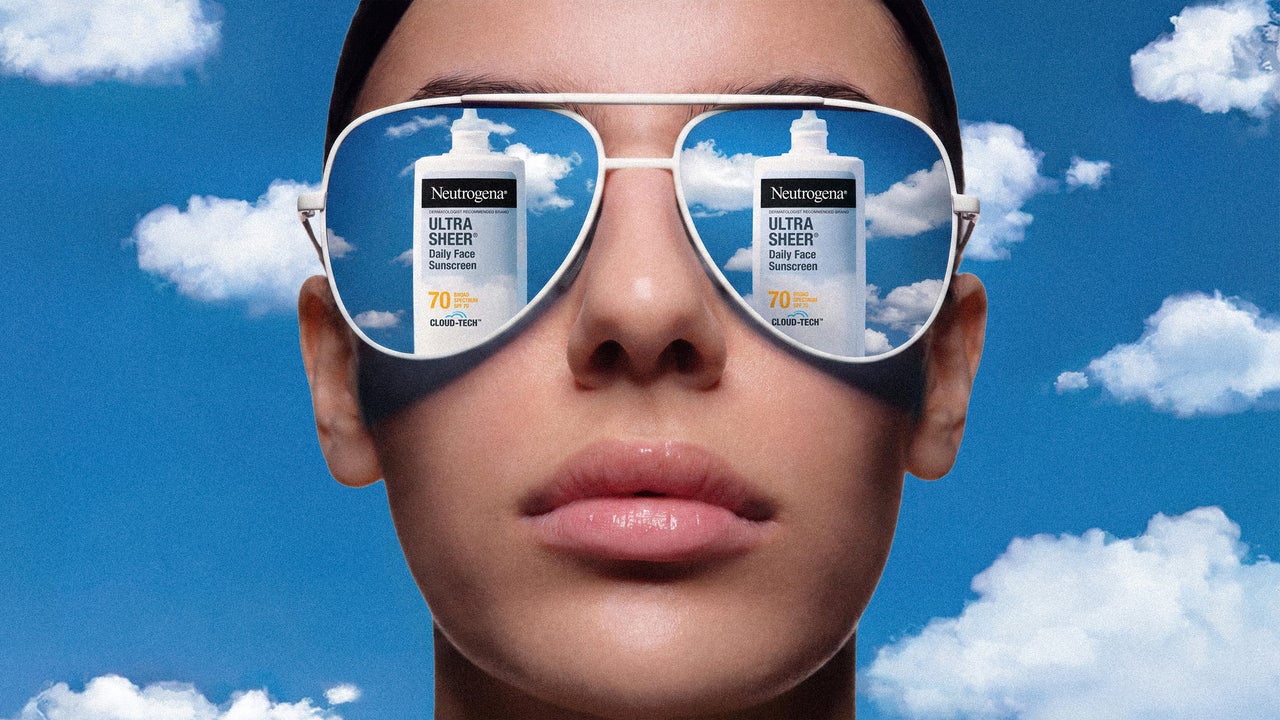
FastCompany: For the first time in more than a quarter-century, Americans have a new option when shopping for sunscreen: a skin-protecting chemical that’s long been a go-to option in Europe and other parts of the world. The U.S. Food and Drug Administration approved bemotrizinol—sometimes called BEMT— in June. The first sunscreens containing it are now hitting U.S. store shelves, including formulas from Neutrogena and other manufacturers. Dermatologists say the chemical fills an important market gap by offering broad protection, like the most well-established sunscreen ingredients, but without their cosmetic downsides, including white streaking .
BEMT has decades of safety data behind it, including studies showing it has minimal absorption into the skin. That’s been a concern with some older sun-blocking chemicals. “It’s not a brand-new ingredient that you’re going to be the first person to try,” said Dr. Jennifer Stein, a dermatologist at NYU Langone Health. Here’s what to know. New ingredient offers broad protection without streaks To be effective, sunscreens must protect against both forms of ultraviolet light that can damage the skin—UVB rays, which cause most sunburn, and UVA rays that pose the greatest risk of skin cancer and wrinkles .
Sunscreens that block both forms are labeled “broad spectrum protection.” Those that don’t must carry an FDA warning label. BEMT is the first chemical-based sunscreen in the U.S. that offers this dual protection. Previously, manufacturers had to mix multiple ingredients to protect against both UVA and UVB light. “This ingredient provides a solution for what is currently a big gap with respect to providing strong UVA protection,” said David Andrews, chief science officer of the Environmental Working Group, a nonprofit that advocates for higher sunscreen standards .
A different class of sunscreens, using minerals such as zinc oxide and titanium dioxide, has long been shown to offer strong protection against both forms of ultraviolet light. These mineral-based formulas work by physically blocking harmful rays from the skin. But some people—particularly those with darker complexions—tend to avoid them because they cause white streaking and discoloration. In other cases, people don’t like their texture or consistency. “Those are good sunscreens,” Stein said.
“But for people who aren’t so inclined to use them—maybe they don’t like how it feels on their skin—this is a nice option.” There’s less skin penetration with the new formula The fact that chemical-based sunscreens are absorbed into the skin means they have to be carefully studied to make sure they aren’t building up in the body at unsafe levels. Last month, the FDA revoked approval of an older chemical ingredient, oxybenzone, after determining it was “absorbed through the skin to a greater extent than previously understood.” That’s not a problem with BEMT.
“It’s a molecule that’s too big to really penetrate through the skin and get absorbed into the bloodstream,” Stein said. “The older chemical sunscreens had small molecules.” As part of its safety review, the FDA reviewed studies of BEMT in more than 500 patients conducted by Dutch manufacturer DSM Nutritional Products. Levels of the chemical absorbed into the skin were nearly undetectable, the studies found. Agency reviewers said research in people who used the sunscreen daily for up to three weeks showed that BEMT “did not cause irritation” or allergic reactions.
Article truncated for readability. Read the full piece →
The introduction of a new sunscreen ingredient is significant for the skincare industry and brand strategists, as it highlights innovation in product development and consumer demand for effective solutions.
Weekly digest
Get the Signal digest
Every Monday morning — the top 3 brand trends, 10 high-signal articles, and one emerging signal to watch.
No spam. Unsubscribe anytime.