Score
Lakshya Bhargava On Finding Home Memory And Meaning In The Act Of Painting
The article explores the journey of artist Lakshya Bhargava, who transitioned from studying biology to pursuing a career in painting. His work is deeply influenced by personal experiences, memories, and the concept of home, as he captures fleeting moments in his acrylic paintings. Brand strategists can take note of how Bhargava's personal narrative and emotional connection to his art resonate with audiences, highlighting the importance of authenticity in creative expression.
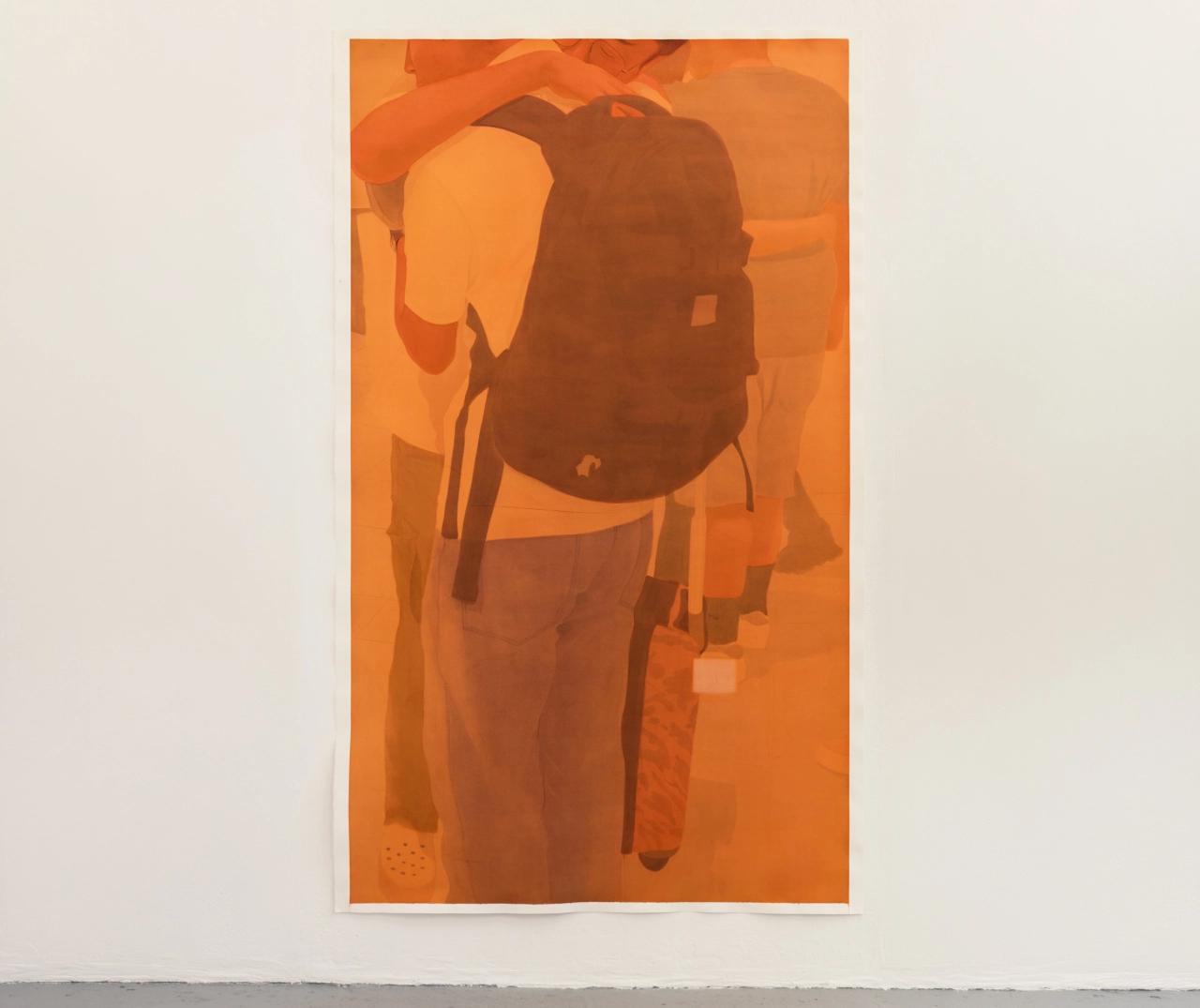
Creative Boom: Lakshya Bhargava on finding home, memory and meaning in the act of painting From studying biology and preparing for medical entrance exams in Ghaziabad to finding his feet at the Slade, the artist creates paintings as rooted in people, places and fleeting moments that have shaped his sense of home. Before Lakshya Bhargava knew he wanted to be a painter, he knew he liked hiding in the art room. Growing up in Ghaziabad, Uttar Pradesh, he did not have much exposure to galleries or museums, encountering contemporary art properly for the first time at around 18.
Instead, his visual education came largely through cartoons – Hindi, English and Japanese animation that he watched constantly. At school, whenever an art competition or annual function rolled around, he would disappear into the art room to paint backdrops and make props. "It was honestly one of the most relaxing places for me to be," he says. Art, however, did not initially seem like a realistic career. Lakshya studied biology and prepared for medical entrance exams including NEET and AIIMS, following a path that felt expected of him even though he enjoyed the subject.
Eventually, he decided to study art instead, moving to Bengaluru to attend the Bengaluru School of Visual Arts, Karnataka Chitrakala Parishath. After graduating in 2022 and taking part in the Students' Biennale at the Kochi-Muziris Biennale, alongside residencies and further work, he moved to London in 2024 to study painting at the Slade. "Moving to London changed my relationship with painting," he says. "I had been questioning whether painting was enough on its own. I felt a real pressure to make the work more conceptual, more intellectual and more overtly political in order for it to have value.
I also felt pressure to speak about the work in a very intellectual way, even when that wasn't how I actually experienced making it. I kept trying to think like I imagined other artists thought, rather than trusting the way I naturally approached painting." After a pivotal visit to the 2024 Turner Prize exhibition, moving through the research-heavy rooms, he came across Claudette Johnson's work and started crying. "It wasn't because of one particular painting," he explains. "It was the fact that she had simply painted and drawn.
That was the language she had chosen, and she trusted it completely." Something clicked, and since then Lakshya has become more comfortable trusting the medium itself, describing his approach as trying to understand things "through my eyes and my hand rather than beginning with an idea in my head". That subject is usually close to home, meaning that his friends and the rooms he spends time in become protagonists to his work – all drawn from experiences he has lived.
"I'm less interested in what somebody looks like than in what it feels like to know them," he explains. Most paintings begin with a photograph he's taken – "I need it to be my view of that moment" – and he might return to an image five or six months later and discover that it means something completely different. Memory and observation are key drivers of his practice, while quick drawings can become another way of starting off a piece when he's been immediately inspired.
Article truncated for readability. Read the full piece →
The article provides insights into the emotional aspects of art and branding, which can inform brand strategists, but it focuses on an individual artist rather than a broader industry trend.
Weekly digest
Get the Signal digest
Every Monday morning — the top 3 brand trends, 10 high-signal articles, and one emerging signal to watch.
No spam. Unsubscribe anytime.