Score
Graphic design isn’t dying. It’s expanding
The article discusses Jarrett Fuller's new book, 'Graphic Designers After Graphic Design', which presents an expansive view of graphic design beyond traditional boundaries. Fuller argues that graphic design encompasses various practices, including publishing, research, and artistic endeavors, and encourages designers to embrace the evolving nature of their field. Brand strategists can take away the importance of adaptability and the need to redefine brand practices in response to changing cultural and technological landscapes.
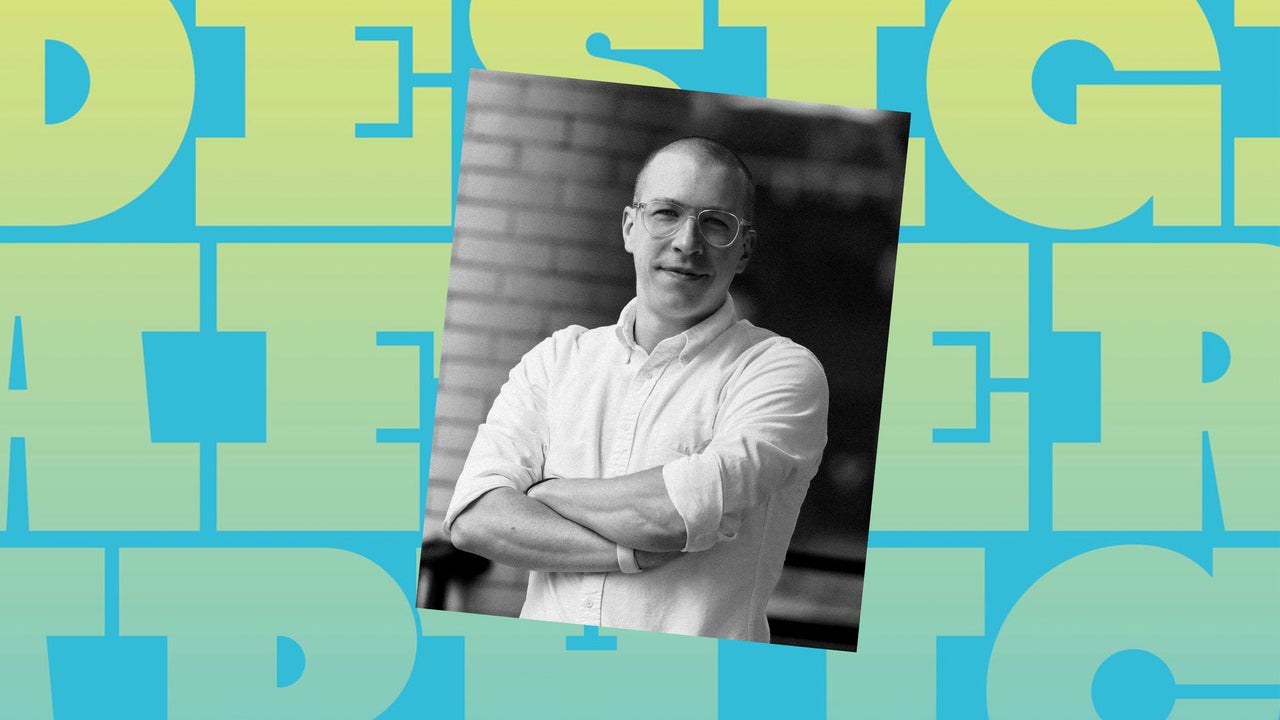
FastCompany: It’s a liberating time to be a graphic designer. You would think so, anyway, after reading Jarrett Fuller’s new book, Graphic Designers After Graphic Design , published this fall by Princeton Architectural Press. Fuller, a designer, writer, podcaster, and professor at North Carolina State University, makes an optimistic case for an expansive definition of graphic design. Through conversations with practitioners working across publishing, research, changemaking, performance, and artistic practice, he argues that graphic design is much more than the production of posters, logos, and websites.
Coinciding with the 10th anniversary of his podcast, Scratching the Surface , which highlights practitioners overlapping with graphic design, the book turns its attention specifically to graphic designers with expansive, blurry, and very public practices. [Image: Courtesy Princeton Architectural Press] As fellow design educators, Fuller and I caught up about what this broader understanding of design means for the current generation of graphic designers. As he puts it, graphic designers are inherently insecure about their discipline’s identity and relevance. But rather than trying to resolve that uncertainty, what if we embraced it?
We talked about the confidence it takes to define a practice on your own terms, and the possibilities that open up when you do. Below is a conversation we had over Zoom, which was edited for clarity. Nika Simovich Fisher: Congratulations on your book—I really enjoyed the expansive, blurry multidisciplinary model of all of the perspectives. I think it’s important to have an optimistic perspective right now. In class yesterday, I had a sophomore student ask me if, in my opinion, right now is a good time to go into the interaction design field.
I thought of your book immediately because it does a great job of encapsulating how design can be part of many different realms, and I responded in that way. But I also did hear her anxiety, and I was curious, how would you have responded to her? Jarrett Fuller: Yeah, I mean, look, that’s a great question, and not to make this too much about the book right away, because I know you’re asking generally. But I think one of the arguments that I’m making, and one of the very real experiences of my life, and I’m sure your life also, is that it’s kind of never a good time to go into design. It’s always at risk.
There’s always something that is threatening to kill it or to take it away from us. That’s the first thing I would say: There’s always an existential risk. There has always been an existential risk, but whatever that new thing is that’s supposed to kill it means that we get to make it something new. We get to find some new way to practice it. One of the things—I think this is a line explicitly in the book—is that every generation gets to redefine design for themselves. The design of tomorrow is different from the design of yesterday. That’s really scary, and I’ve been there, but it’s also always been like that.
So instead of trying to avoid that, let’s just embrace it. Let’s figure out what it could be together and where it could go next, as opposed to abandoning it. I think that’s the optimism that you’re talking about. I feel like I’ve gone through all these cycles of grief for design, and I’m kind of just over it now. Let’s just make it what we want it to be. That’s so much more fun. [Image: Courtesy Princeton Architectural Press] Absolutely. It’s very freeing in that sense.
Article truncated for readability. Read the full piece →
The article highlights a significant shift in the graphic design field that can influence brand strategy, making it impactful and relevant, while the ideas presented are somewhat novel but not entirely groundbreaking.
Weekly digest
Get the Signal digest
Every Monday morning — the top 3 brand trends, 10 high-signal articles, and one emerging signal to watch.
No spam. Unsubscribe anytime.