Score
Beauty brands have been waiting for this sunscreen moment
The approval of bemotrizinol (BEMT) as a sunscreen filter marks a significant turning point for U.S. skincare brands, enabling them to innovate and create more effective and appealing sunscreen products. This shift is expected to enhance consumer trust and reshape the U.S. sunscreen market, as brands like Ultra Violette and La Roche-Posay prepare to launch new formulations that leverage this advanced ingredient.
FastCompany: When the U.S. Food and Drug Administration approved bemotrizinol (BEMT) as a sunscreen filter on June 9, the entire Ultra Violette office in Melbourne, Australia, erupted screaming. Stateside, the La Roche-Posay group chat exploded with messages and memes, including that Friends GIF of Rachel and Phoebe jumping for joy. To the average shopper, this may not seem like a big deal, but for skincare companies, it’s the culmination of a yearslong hope for access to an ingredient that could reshape the U.S. sunscreen market.
“It’s a door crack to what could be, to what the industry could look like,” says Ultra Violette cofounder Ava Chandler-Matthews . “The U.S. is very far behind in sunscreen innovation, and it’s dealing with outdated technology. The rest of the world is in the future.” Before BEMT, the FDA hadn’t approved a sunscreen filter in 27 years, and only a handful of chemical and mineral filters are commonly used.
Bemotrizinol—a broad-spectrum chemical filter that works at lower concentrations and breaks down slowly time—can be easier to formulate with and is helpful for creating lighter sunscreens that don’t leave a white cast or heavy residue on the skin. Now it’s at last available in the U.S., the largest national skincare and cosmetics market in the world. “Historically, creating very high [sun] protection in the U.S. while also achieving an ultralight, invisible, elegant texture has involved compromising,” Naked Sundays founder and CEO Samantha Brett says.
“[BEMT] gives our chemists and formulators another extremely useful tool to build strong UVA and UVB protection while still focusing on wearability.” U.S. SPF products, in fact, have historically been so bad in comparison that they’ve sparked social media trends of people shopping for sunscreen when they’re traveling abroad, whether at French pharmacies, Olive Young in Korea, or Don Quijote in Japan. This is not to discount the increasingly great formulas available in the U.S., but they have been restricted due to the smaller roster of filters available. Many brands, who had a hint that BEMT would be approved, wanted to be proactive.
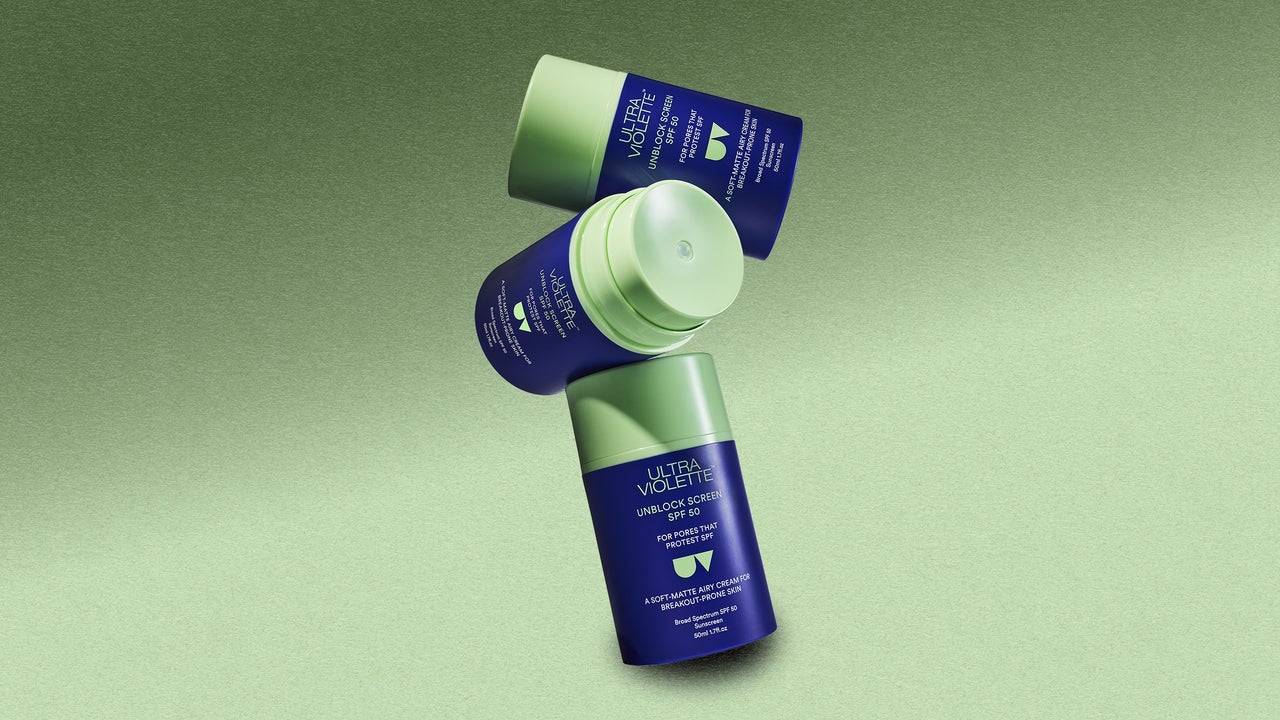
Some started quietly working on BEMT-involving sunscreen formulations as much as a couple of years prior in order to quickly bring a product to market soon after its FDA approval. When Ultra Violette started preparing to launch in the U.S., it hired a project manager to investigate the possible approval of BEMT. [Photo: Ultra Violette] “When we were formulating to launch in the U.S., we had two pipelines of product: one with bemotrizinol and one without,” Chandler-Matthews says. “We didn’t actually know if it would happen, but we were betting the house on the fact that it would.” Ultra Violette hit U.S.
shelves in spring 2025, and just more than a year later, the ingredient was approved. Its first BEMT sunscreen for the U.S. market, Unblock SPF 50, launches September 1. It uses BEMT and zinc oxide as filters while incorporating ingredients to address breakout-prone skin concerns. As more brands get ready to bring their first formulas to market, a U.S. sunscreen glow-up is on the horizon. Ahead, what it’s like doing R&D with BEMT, the difference it makes in a formula, and what’s coming this fall. What is BEMT, and is it easier to work with? Bemotrizinol starts as a fine, white powder before it’s incorporated into a formula.
Article truncated for readability. Read the full piece →
The approval of bemotrizinol as a sunscreen filter is a significant development for the skincare industry, promising to enhance product efficacy and consumer trust, which are crucial for brand strategy professionals.