Score
Why mouthfeel is trending globally in the food and beverage industry
The growing trend of 'mouthfeel' in the food and beverage industry emphasizes the importance of texture as a key factor in consumer preferences and purchasing decisions. Brands are increasingly innovating to enhance the sensory experience of their products, recognizing that texture can significantly influence how consumers evaluate food quality and satisfaction.
FastCompany: Texture is having a crunchy, gooey moment in the food and beverage industry . For many people, the way a menu item or packaged snack feels in the mouth has become as big a draw as flavor, although consumers don’t always recognize the part texture plays in their cravings for crispier takeout, frothier coffees and juicier candies, according to industry experts. The importance of “mouthfeel,” a food science term for oral sensation , has inspired new products like Starbucks’ Aerocano, an air-whipped iced espresso; PowerCrunch, a wafer-like protein bar; and Trolli Gummi Popz, which are frozen but still soft and chewy.
Texture “has evolved from a complementary feature to a defining aspect of food quality,” Puratos, a Belgian company that develops commercial-grade ingredients for chocolate and baked goods, says. “It is reshaping how consumers evaluate food and make purchasing decisions.” The trend is a global one. Stretchy yogurt is a fast-growing trend in China, while Swedish confectioner Cloetta just released Sprinkled Foamies, which have a crunchy coating and a marshmallow center. Parisian bakers are experimenting with new pastries like the crookie, a crispy croissant with a melty chocolate chip cookie inside. “It’s not just about flavor anymore.
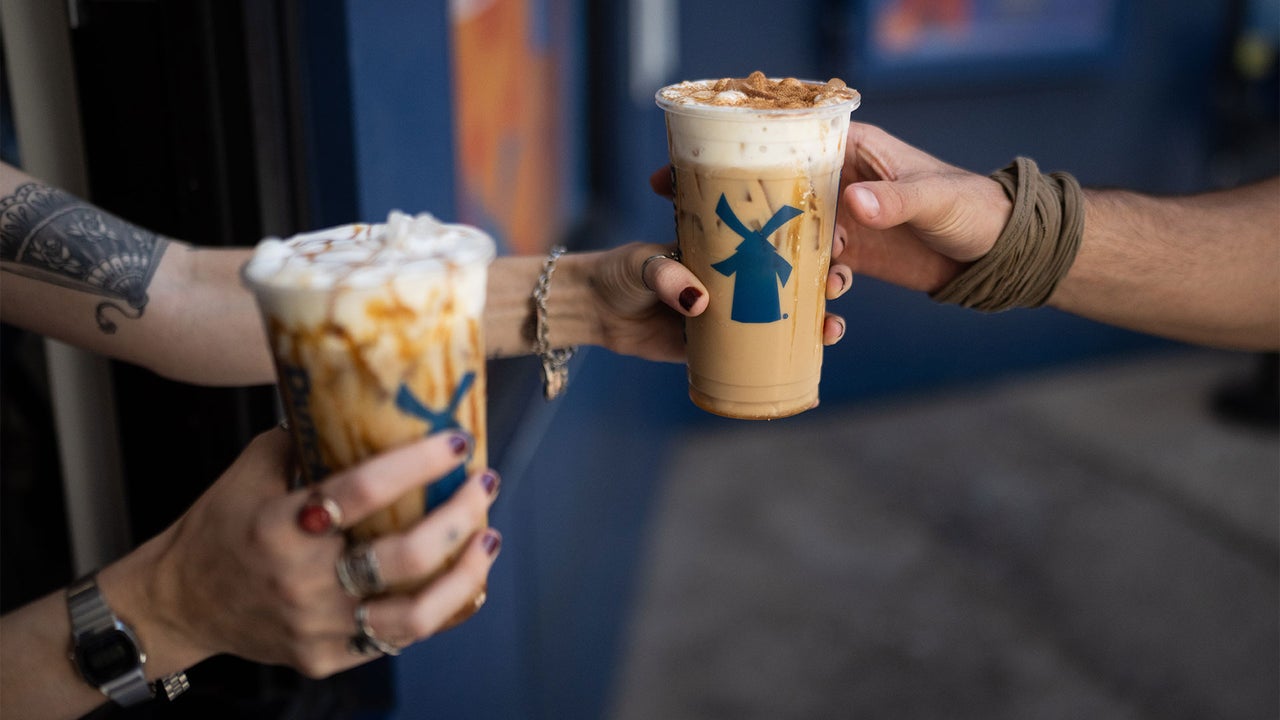
People are thinking about the whole experience,” said Tana Davila, the chief marketing officer at Dutch Bros Coffee. The drive-thru U.S. beverage chain lets customers customize their drinks with toppings like a sweet and creamy whipped foam and juice-filled balls that pop when bitten into. Interest in texture goes back centuries and extends beyond food Texture is so integral to the act of eating that people often describe how a food feels when they’re asked how it tastes, said Patrick Kalotis, the executive vice president of texture and healthful solutions at Ingredion, an Illinois-based ingredient provider.
“You know, ‘This drink is fizzy’ or ‘I love the creaminess of the yogurt,'” Kalotis said. “They think they’re talking about taste, and of course the texture helps propagate the taste, but they’re actually describing texture.” Food makers have long played with consistency. Pillowy Japanese mochi and stretchy Turkish ice cream date back centuries. Bubble tea, with its chewy tapioca boba pearls, was invented in Taiwan in the 1980s. In the 1990s, high-end European restaurants whipped up culinary foams flavored with things like truffle oil or lobster broth.
But interest in texture has exploded in recent years, said Jenny Zegler, the principal strategist for food and drink at market research company Mintel. It’s reflected in toys like squishy NeeDoh cubes and beauty products like jelly cleansers. With food, qualities like chewy, soft, gooey and melt-in-the-mouth are seeing fast-rising demand in online product searches, according to Mintel data. Zegler thinks the craze around the Cronut — a doughnut-shaped pastry with a crispy fried outside and an airy, buttery inside like a croissant — started a fascination with food textures about a decade ago.
Multilayered products like Dubai chocolate and sound-enhanced social media videos of influencers breaking crackly peanut brittle and slurping creamy noodles heightened the interest. “Consumers are gaining new expectations for the experience of a product, and texture is the perfect way to deliver that,” Zegler said. Nerds Gummy Clusters and the pandemic led to more complicated candy The coronavirus pandemic elevated interest in texture because COVID-19 caused many people to temporarily lose their sense of smell and taste, said Shannon Weiner, senior director of consumer insights at candy company Ferrara.
Article truncated for readability. Read the full piece →
The article highlights a significant trend in the food and beverage industry that can influence brand strategy, making it relevant and impactful for professionals in the field, although the concept of mouthfeel itself is not entirely new.