Score
Nvidia is reskinning games with AI. Gamers are angry about it, and wrong
Nvidia's introduction of DLSS 5, which utilizes AI to enhance the realism of video games, represents a significant shift in gaming technology that could redefine brand strategies within the industry. While it has sparked controversy among gamers regarding artistic integrity, it also opens up opportunities for brands to leverage advanced technology to create more immersive experiences, potentially reshaping consumer expectations and engagement with gaming products.
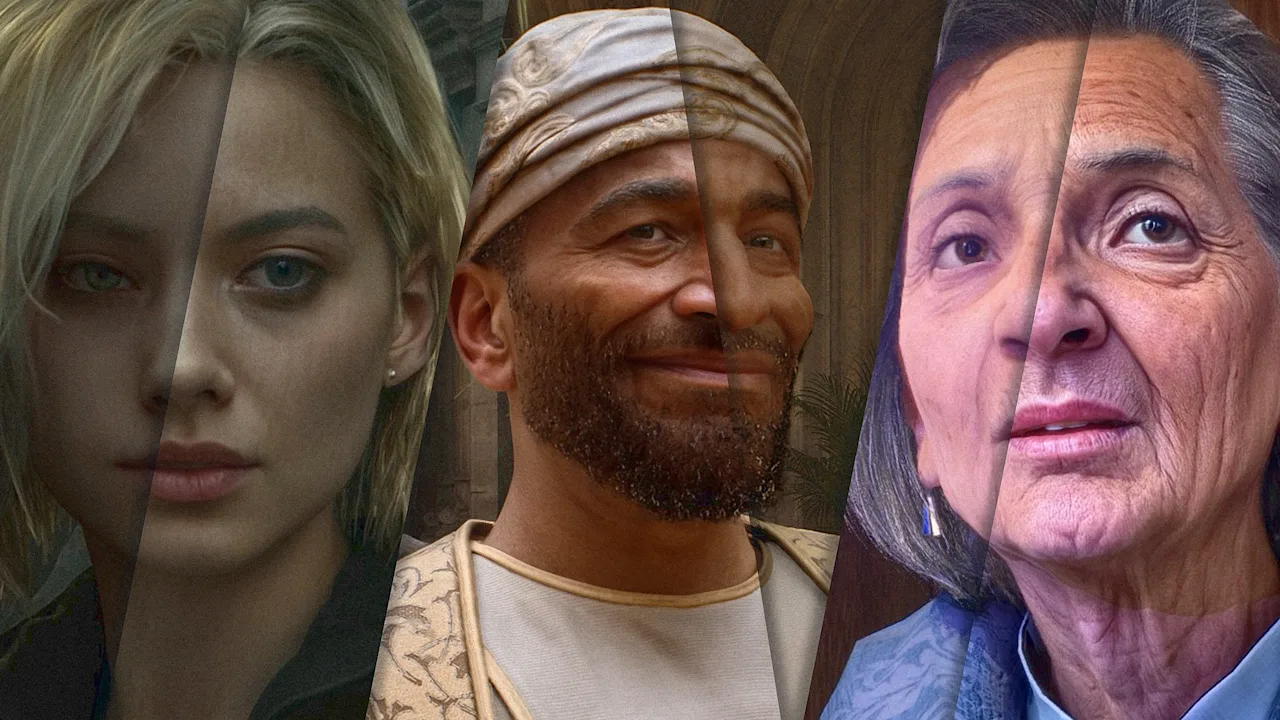
FastCompany: Nvidia has unveiled DLSS 5, a new PC gaming technology that uses AI to re-render video games in real time. It’s basically a make-it-realistic filter, affecting characters, foliage, textures, and lighting. It’s but another example of how in the age of AI, the world may never be the same . And the gaming community doesn’t quite know what to think yet. While the previous versions of DLSS simply upscaled a game’s resolution using AI, this version turns a tree that looks like a 3D model into a tree that looks like a real tree. It’s a monumental change. And a bold move. Unsurprisingly, the gaming community is fiercely divided.
While some embrace the leap in visual fidelity, a loud contingent of hardcore players is furious, claiming it destroys artistic intent. The latter camp claims it turns games into AI slop , the derogatory term that everyone loves to use now, whether it’s accurate or not. It used to mean poor-quality AI-generated images or video, but that meaning has been lost, turning into the 2026 version of “It’s Photoshop!” and “It’s CGI!” whining of yesteryear. The way I see it, DLSS 5 looks fantastic most of the time. The intense backlash feels like it’s half posturing, and half psychological disconnect.
Our brains are used to filling in the blanks of lower-fidelity graphics. And when faced with a highly detailed reality, we experience a jarring dissonance. It reminds me of how bad it feels to hear a beloved comic book character’s voice for the first time in an animated movie, and realize it doesn’t match the one in your head. Reality bites The two big complaints I keep hearing about DLSS are that this technology averages everyone toward one single beauty standard, and that it throws an unapproved filter over an artist’s painstaking work.
On YouTube, people like Luke Stephens called the technology “AI slop garbage,” complaining that a young character in Hogwarts Legacy “can look like a 45-year-old man.” Similarly, YouTuber AngryJoeShow lamented, “They turned DLSS into a TikTok filter. This is like hiring someone to lick off the flavor of a potato chip before you eat it.” Critics have also lamented a loss of creative identity across DLSS-ified games.
A user on Reddit argued that characters from totally different genres “all appear as if they belong to a single title, which feels like a blatant disregard for the original artistic vision.” And industry veteran John Linneman noted that while the environmental lighting shows great potential, “the character stuff is horrendous and should have been left out.” But to me, this comment on Reddit is the one that defines the reality of it, going back to my original thesis of the brain disconnect: “The more realistic they become, the less they feel like true games.” That’s fine. It’s a valid point.
Or at least as valid as my own point of view having grown up on Atari and NES: Any game past the Game Boy Advance or the DS doesn’t feel like a true game to me. Just give me 16-bit sprites. The rest of the overproduced, stiff, motion-capture 3D-modeled stuff with infinite cutscenes you kids like is just garbage to me, not real gaming! See? That criticism doesn’t seem to make a lot of sense, either. The promise of AI-rendered gaming With apologies to critics, I simply do not see how DLSS 5 is bad.
Article truncated for readability. Read the full piece →
The article discusses a major technological advancement by Nvidia that could significantly influence brand strategies in the gaming industry, making it highly impactful and relevant, while also introducing a novel use of AI in gaming.