Score
These pediatric wheelchairs are a fraction of the cost thanks to 3D printing
The article highlights how MakeGood is revolutionizing pediatric mobility devices through 3D printing, significantly lowering costs and increasing accessibility for children with mobility challenges. This approach emphasizes a brand strategy centered on innovation, community engagement, and sustainability, allowing families to create essential devices locally without reliance on traditional manufacturing or insurance barriers.
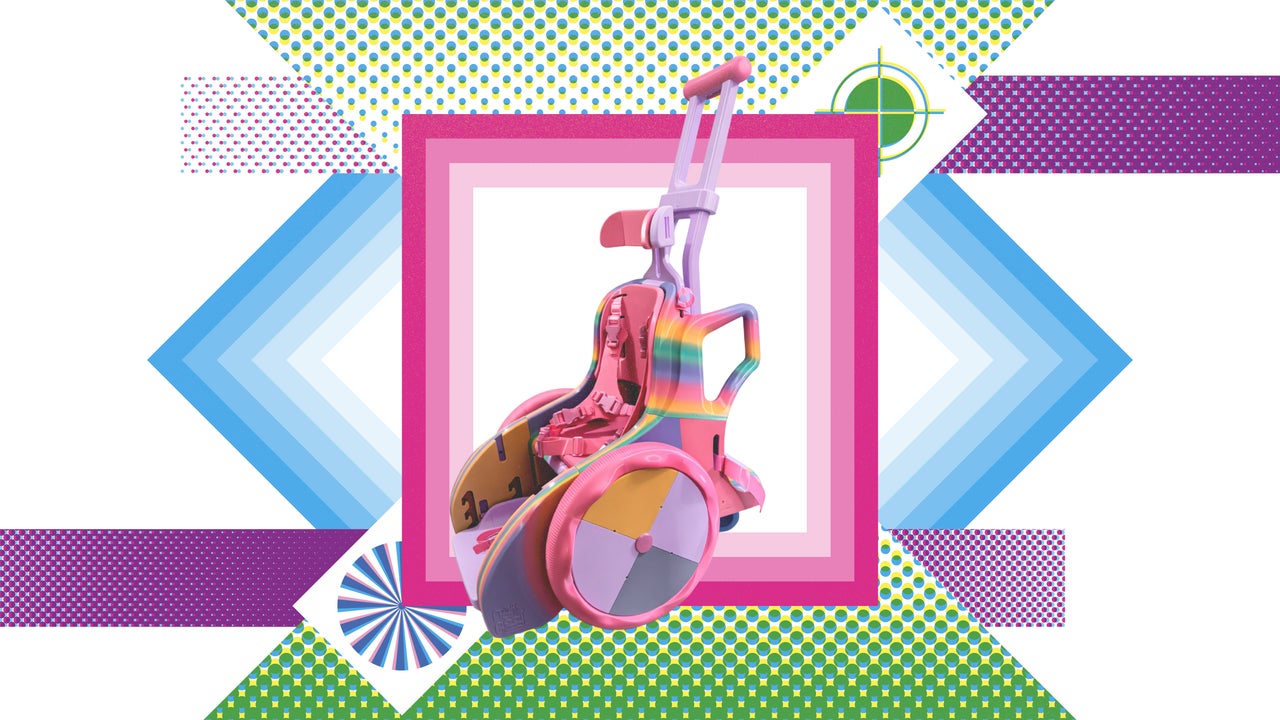
FastCompany: For decades, pediatric mobility device use has been constrained by high costs, insurance barriers, and the need for specialized manufacturing. Now, New Orleans nonprofit MakeGood, the winner of the 2026 Innovation by Design award in accessible design , is using 3D printing to expand access to devices for children with conditions that make independent movement difficult.
Rather than producing a conventional manual wheelchair, MakeGood created a colorful plastic wheelchair-like mobility trainer designed for children ages 1 to 8 with conditions such as cerebral palsy or spina bifida, or who have experienced extended stays in neonatal intensive care. It can be made locally for a few hundred dollars with consumer-grade 3D printers.
{"blockType":"mv-promo-block","data":{"imageDesktopUrl":"https:\/\/images.fastcompany.com\/image\/upload\/f_webp,q_auto,c_fit\/wp-cms-2\/2026\/09\/2026-IBD_social-share-2-16x9-1.jpg","imageMobileUrl":"https:\/\/images.fastcompany.com\/image\/upload\/f_webp,q_auto,c_fit\/wp-cms-2\/2026\/09\/2026-IBD_social-share-1-1-1x1-1.jpg","eyebrow":"","headline":"Meet the world\u0027s most innovative design companies","dek":"","subhed":"","description":"","ctaText":"See the List","ctaUrl":"https:\/\/www.fastcompany.com\/innovation-by-design\/list?utm_source=fcwebsite\u0026utm_medium=promo_block\u0026utm_campaign=IBD26","theme":{"bg":"#f4f4f4","text":"#2b2
d30","eyebrow":"#9aa2aa","subhed":"#ffffff","buttonBg":"#444444","buttonHoverBg":"#ef5b24","buttonText":"#ffffff"},"imageDesktopId":91604521,"imageMobileId":91604520,"shareable":false,"slug":"","wpCssClasses":""}} The trainer is large enough for a child, and it’s assembled from dozens of small components using joinery concepts inspired by Japanese woodworking and geometric interlocking structures to create a durable frame from desktop-size prints. [Photo: Heami Lee ] MakeGood runs an online platform called 3D-mobility.org that can match more than 1,000 volunteer makers worldwide with families requesting devices.
Schools, makerspaces, hospitals, and even grandparents with newly purchased 3D printers are assembling trainers close to where children live. “[We] call it radical self-reliance,” says MakeGood founder Noam Platt. “Good design combined with 3D printing gives us the means to take care of ourselves without having to worry about insurance companies.
If we need a mobility device, we can just make it.” The organization is now expanding local production hubs globally, especially in regions of Latin America where demand is high but access to 3D printers and materials remains limited.
The article discusses a significant innovation in pediatric mobility devices that could reshape the industry, making it highly impactful and relevant for brand strategy professionals focused on accessibility and sustainability.